
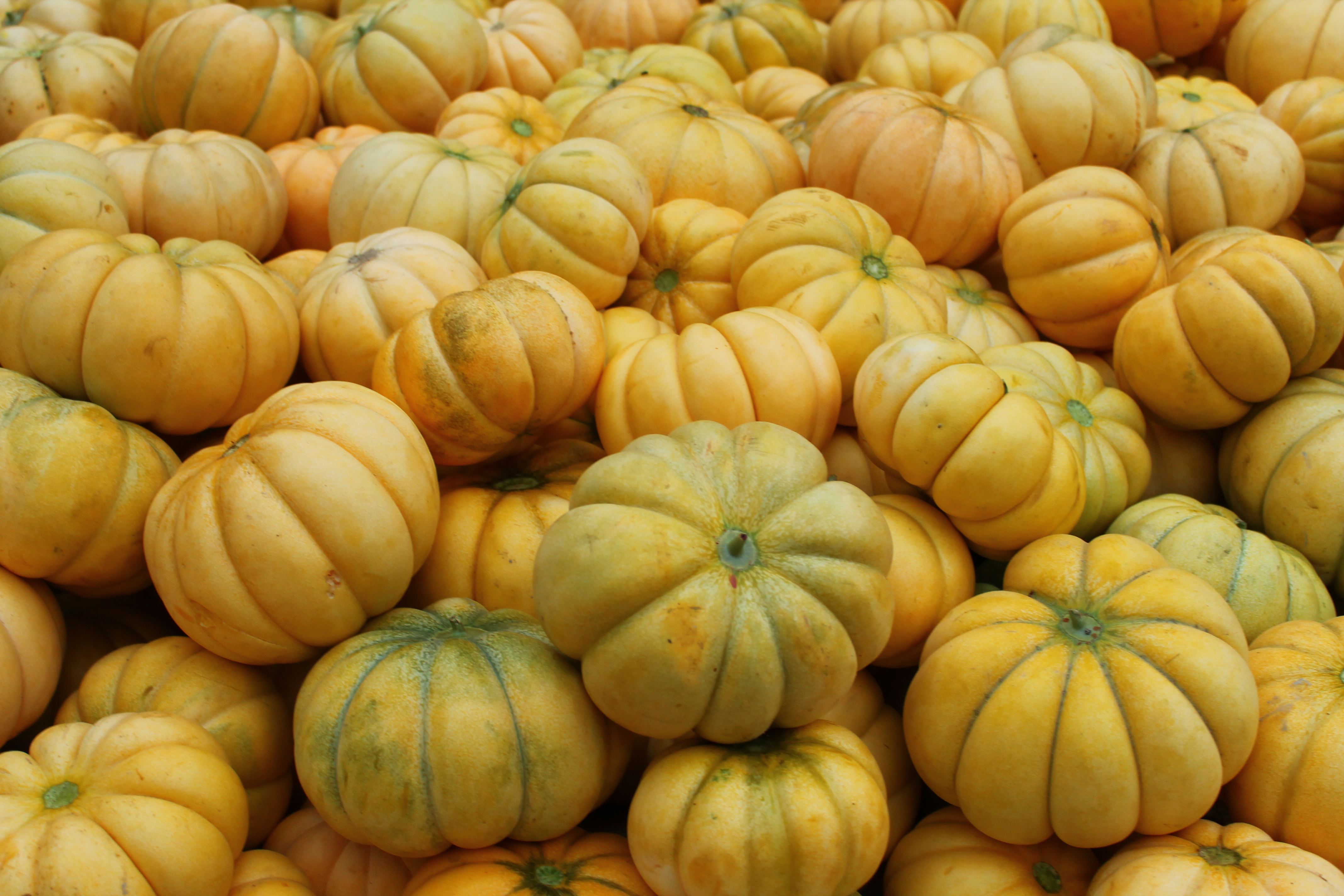
Melon farmers in Kotalipara upazila of Gopalganj district feared losses instead of profits in early April 2025. Jagonews24's Gopalganj correspondent reported on 5 April that drought and a lack of rain had cut the season's yield below the previous year's, while a shortage of buyers had driven prices down. According to the Upazila Agriculture Office, melons (bangi) were grown on 434 hectares in Kotalipara that year.
Alam Biswas, a melon grower from Buruya village in Kalabari union, said that the year before he had sold a melon for Tk 30 to 60 depending on the type, but now had to sell one for Tk 15 to 20. Severe drought and no rain had reduced the yield, and prices were low on top of that, he said; at those prices he would not even recover his costs. Hundreds of farmers in the upazila shared his fear, the report said.
Lower yields, higher costs
The upazila agriculture office said unfavourable weather had kept the yield down that year. At the same time, higher prices of fertiliser, seed and pesticide had pushed up the cost of growing melons. Farmers were squeezed three ways: a smaller crop, lower prices and bigger bills.
Madhu Biswas, a farmer from Hijalbari village, said he had made a good profit from melons the year before and had hoped to do so again, but drought and the lack of rain had made the yield poor and he had not got a fair price either. Loknath Mondal of Tetulbari village, who grew melons on two bighas, said that at the price he was getting, profit was out of the question; even recovering his outlay was hard.
Upazila Agriculture Extension Officer Debashis Das said the agriculture office had supported melon growers with fertiliser, seed and advice. In his view, farmers were not getting the prices they hoped for because the crop had come in a little late that year.
No traders at Kaliganj market
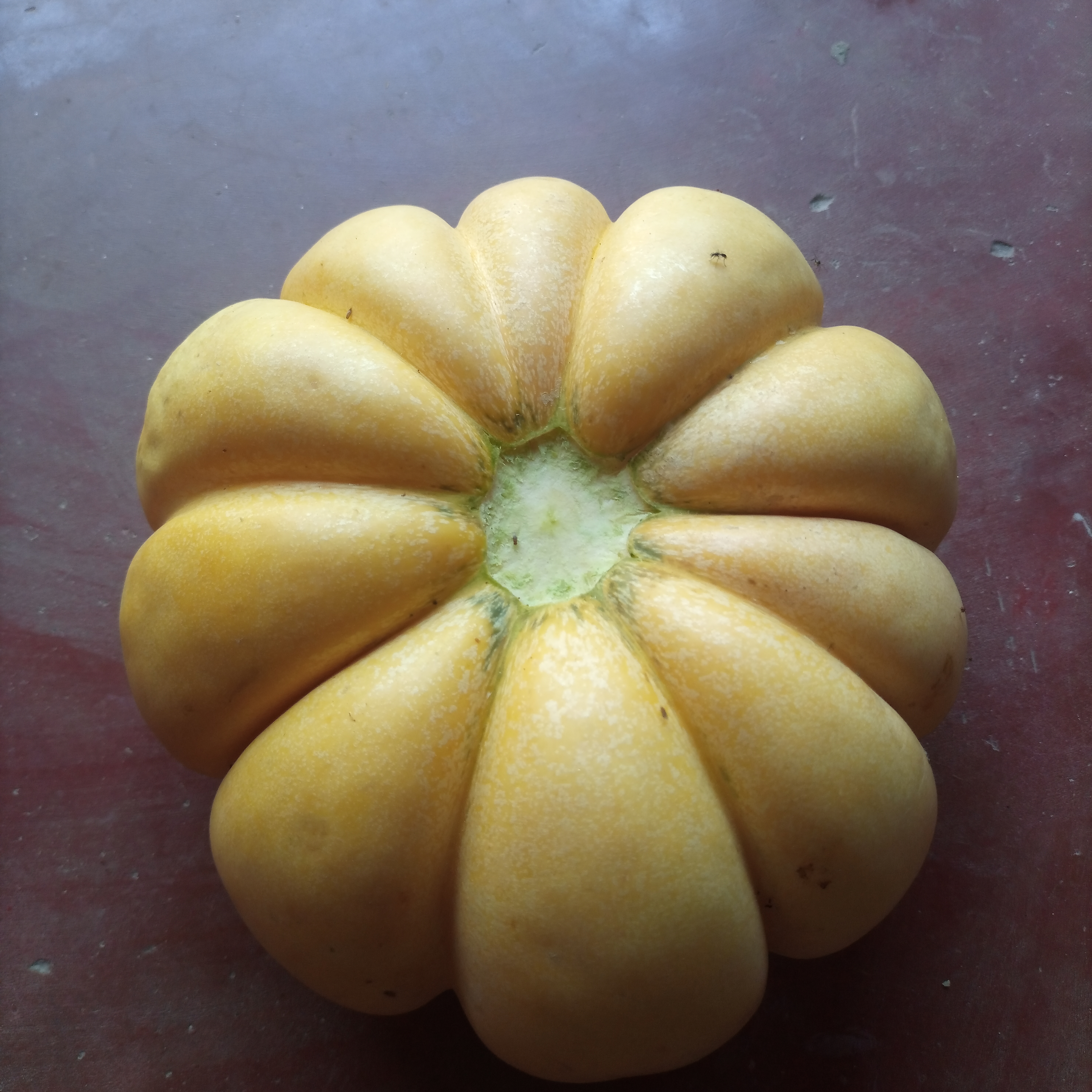
Melons are grown most in Buruya, Machhpara, Nalua, Tetulbari and Hijalbari villages of Kalabari union, where watermelon and melon are among farmers' main sources of yearly income. About 50 wholesale depots (arat) have grown up at the local Kaliganj market to trade the crop, which is sent on to Dhaka, Narayanganj, Gazipur, Manikganj, Khulna and other parts of the country.
That season, traders from those areas did not come. Bishnu Tikadar, an aratdar at Kaliganj, said traders from Dhaka, Narayanganj, Manikganj, Gazipur and elsewhere came every year at that time to buy melons, but because they had not come, the depot owners were sitting idle.
Kotalipara and its melon crop
According to Banglapedia, Kotalipara upazila covers 355.90 square kilometres. Its main rivers are the Ghagar and the Bisharkandi, and the Janihania canal and Gopalganj Beel are its notable water bodies. Watermelon, futi (melon) and palm are listed as the upazila's main fruits, and paddy, wheat, groundnut and mesta as its main crops.
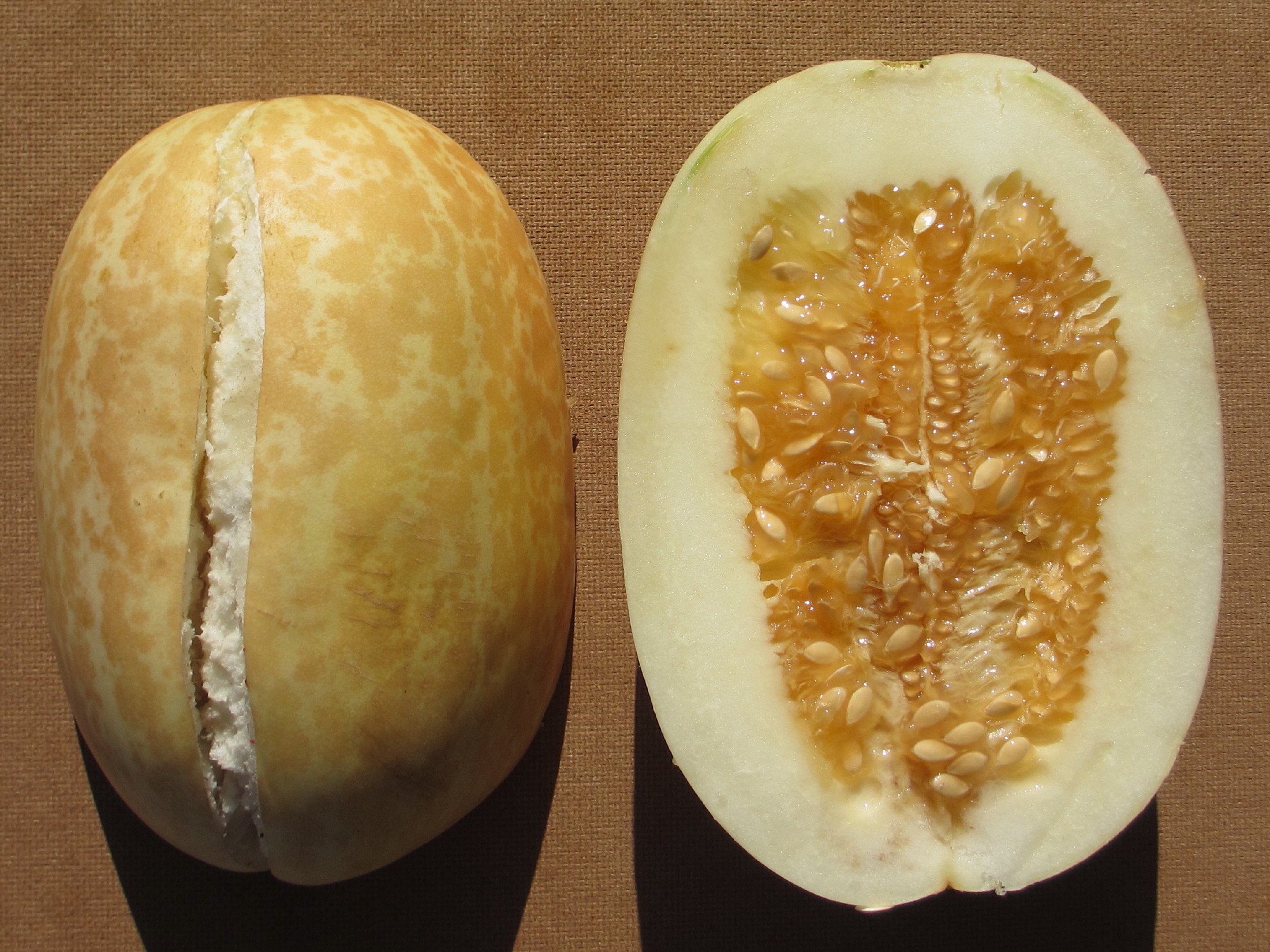
The bangi or futi belongs to Cucumis melo, the species from which the many cultivated melons have been developed. It is an annual, trailing plant that grows well in warm climates and prefers warm, fertile, well-drained soil, though it is vulnerable to downy mildew and anthracnose. A raw melon is about 90 percent water.
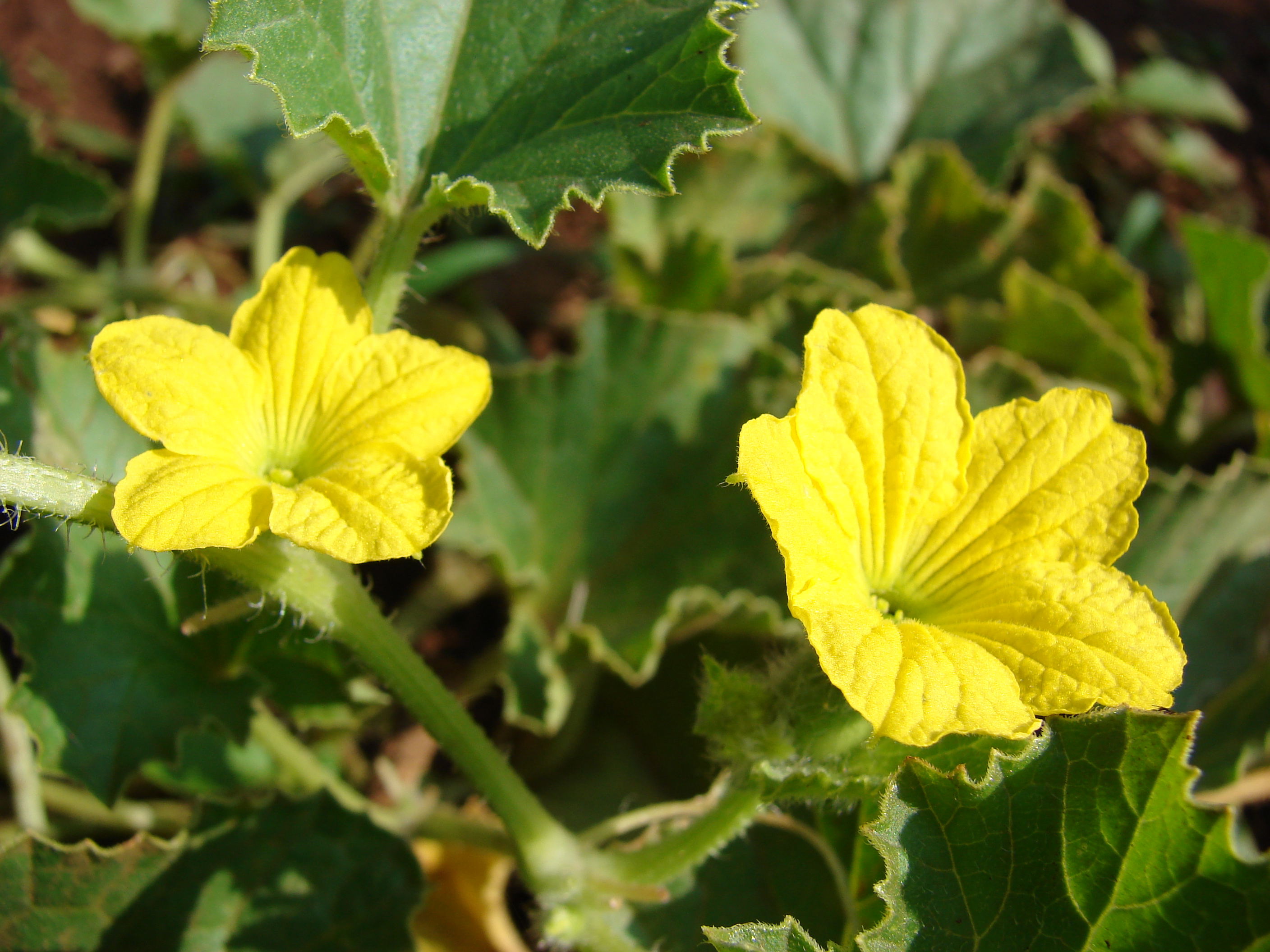
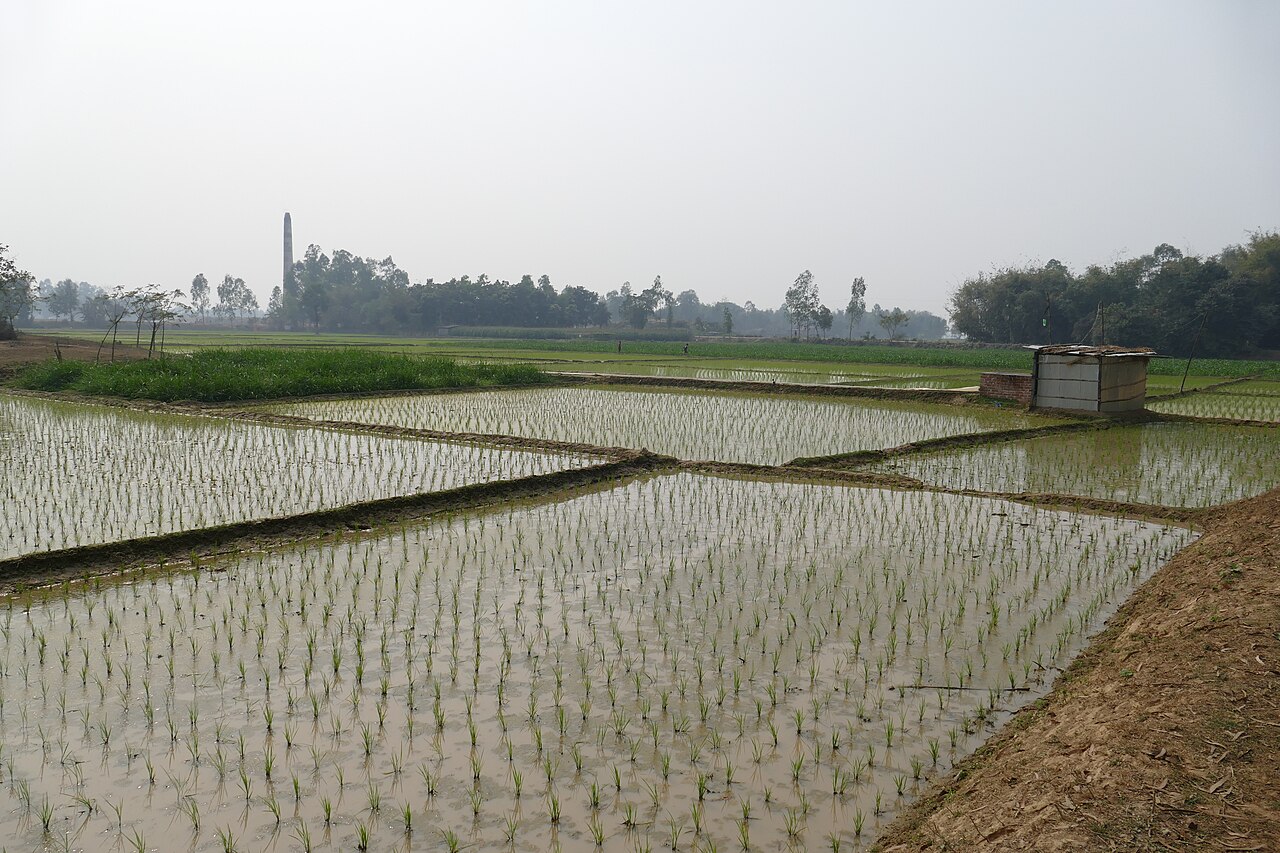
Photo: Talat 99 / Wikimedia Commons (CC BY-SA 4.0)
Sources: Jagonews24, Banglapedia (Kotalipara Upazila), Wikipedia (Cucumis melo)
Comments
(0)