
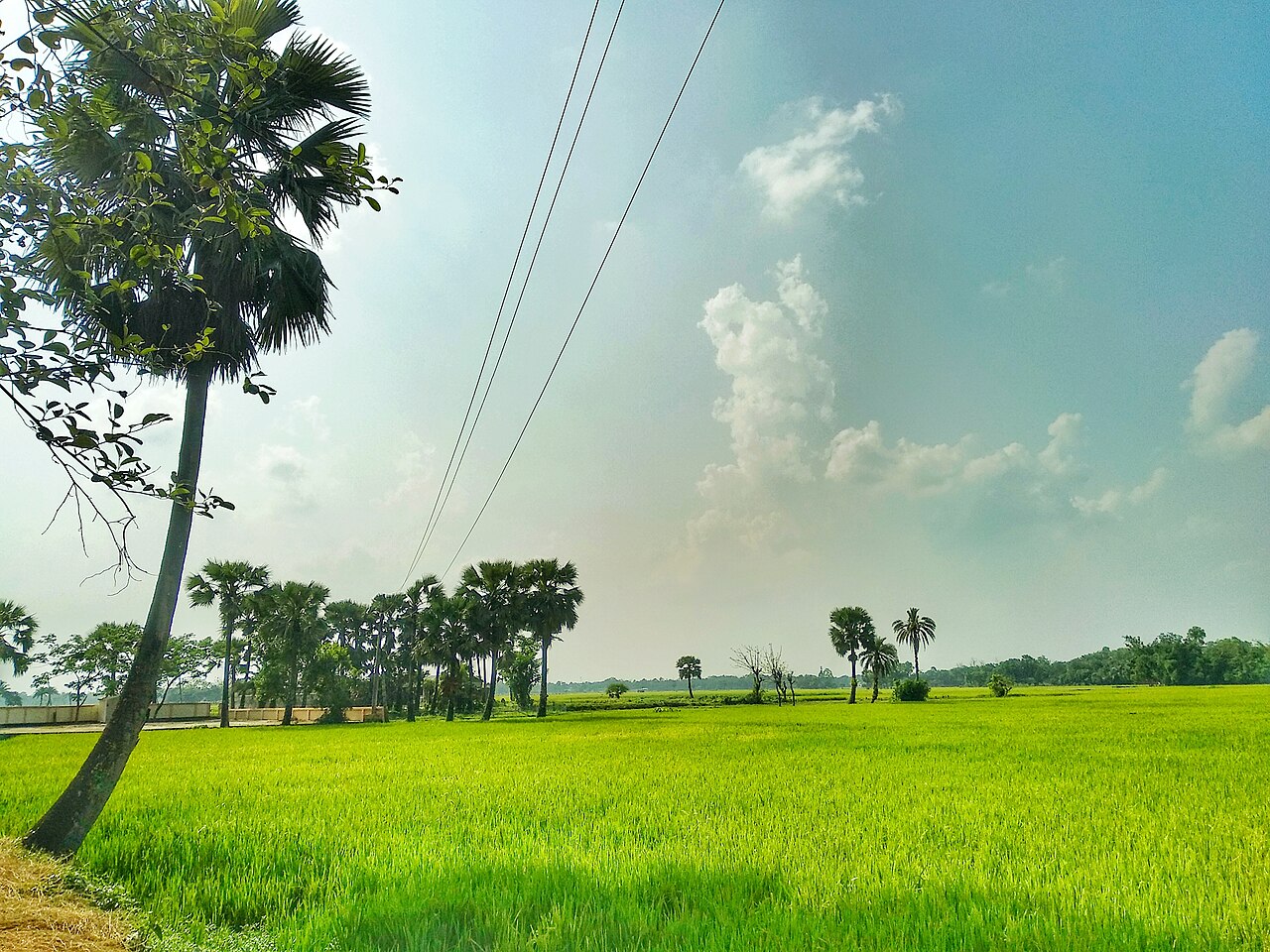
Bangladeshi scientist Dr A T M Mizanur Rahman made an eco-friendly pesticide against rice diseases from tiny silver particles, nanoparticles, produced with plant extracts. But red tape and poor coordination halted the project; there is no patent, and toxicity tests on animals were never done. That is the account in a report based on his interview with Biggani.org.
Dr Mizanur Rahman is a professor in the Department of Applied Nutrition and Food Technology at Islamic University, Kushtia. He studied biochemistry and molecular biology at Rajshahi University, did his research in South Korea and later gave up a career abroad to come home.
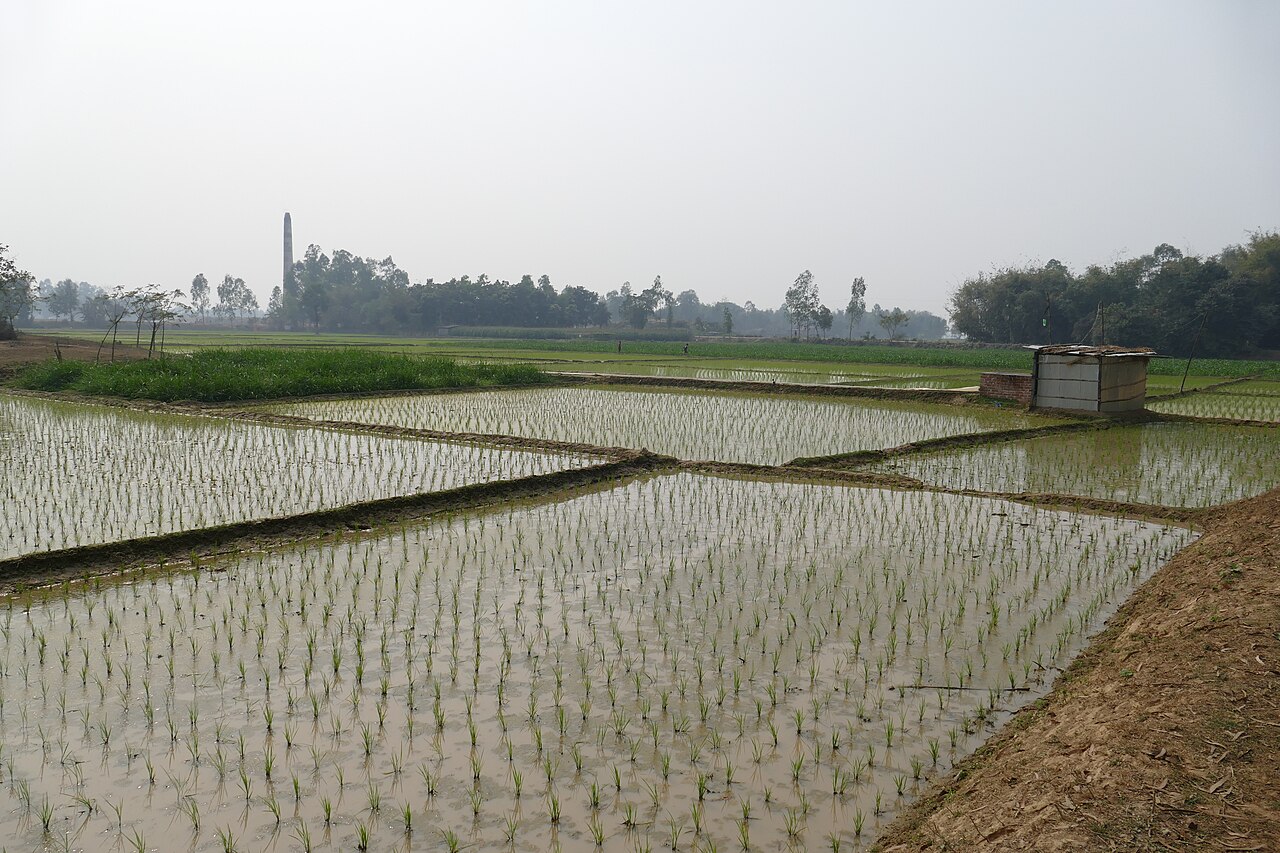
Short of research money, he turned to nanotechnology, the report says, making silver nanoparticles smaller than ten nanometres from plant extracts, work published in international journals. When the rice research institute approached him, a World Bank-supported project began to develop a pesticide free of chemical poisons against two rice diseases, and the report says diseased paddy sprayed in the field turned green again.
The multi-institution project stalled. A patent was planned but never filed, and animal toxicity tests remain undone for lack of funds. He has heard that a former student at Jashore University of Science and Technology is taking the work forward with a private company. A sugar-free yoghurt for people with diabetes also did well in his lab, but there was no money for tests on rats.
He built his lab piece by piece: a homogeniser bought with his first small grant, then a microtome, tissue embedder, sonicator, water bath and centrifuge paid for from savings on project travel, and two PCR machines given by a friend. He is also preparing proposals with international partners on nanoparticles against antibiotic resistance.
In his words, a discovery is born in the lab, but its birth is incomplete until it reaches the field. The report is based on Biggani.org's interview published on 19 December 2025 and was updated on 9 November 2026.
Photo: Shahidul Hasan Roman / Wikimedia Commons (CC BY-SA 4.0)
Source: Biggani.org
Comments
(0)