
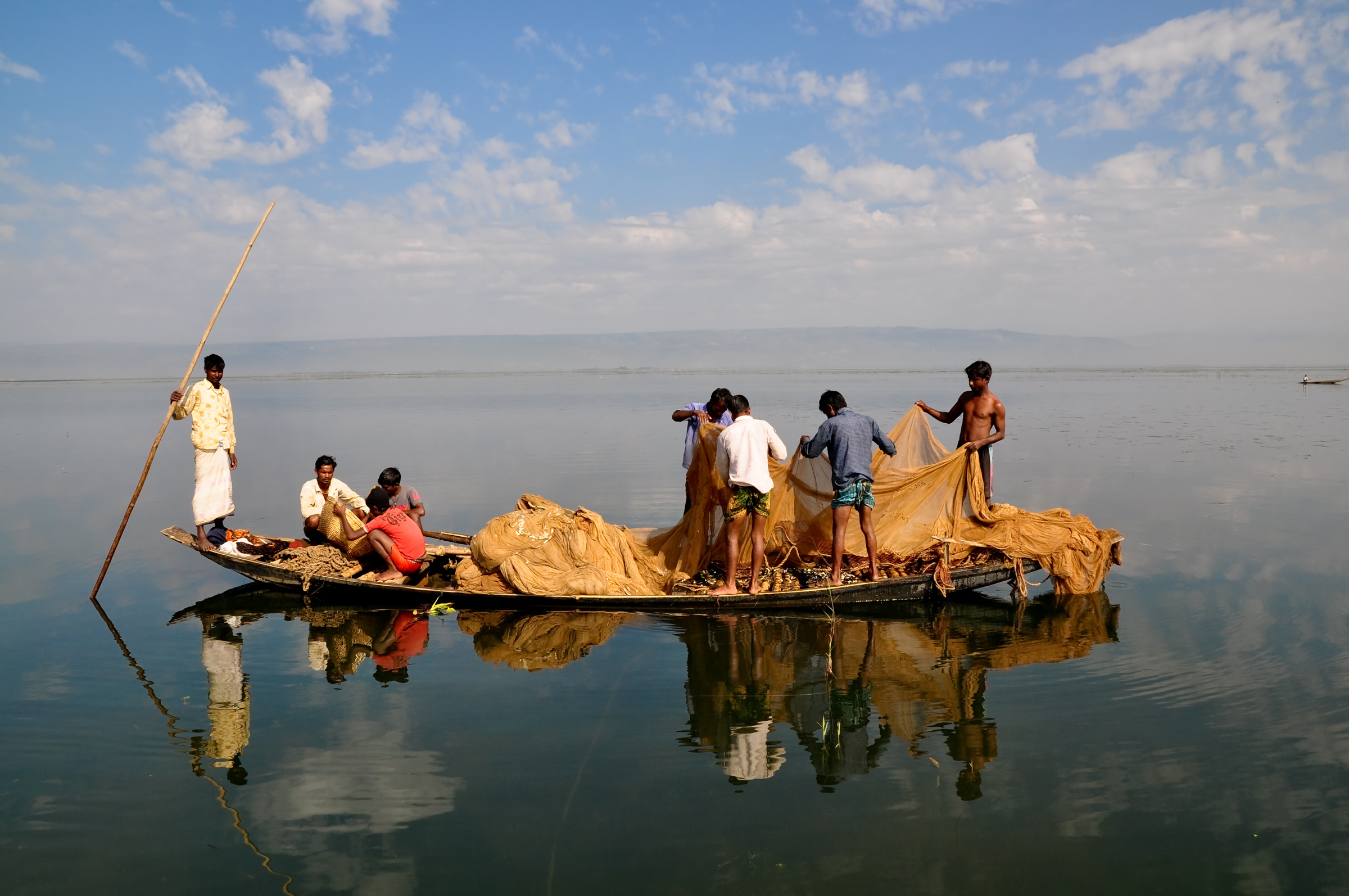
The Ministry of Fisheries and Livestock has moved to bring the haors of north-eastern Bangladesh under an annual fishing ban, as the sea and several rivers already are. Under a draft amendment to the fishing rules, published by the ministry on 25 March 2025 and reported by Jagonews24 on 30 March, catching fish in the haors of seven districts would be banned for one month every year, from 29 May to 28 June, which is 15 Jyoishtho to 14 Asharh in the Bengali calendar.
The districts named in the draft are Kishoreganj, Netrokona, Brahmanbaria, Sylhet, Sunamganj, Habiganj and Moulvibazar. On 30 March 2025 the measure was still a proposal: the notification invited objections and suggestions from the public, and it was not yet a ban in force.
What the draft rule says
According to the report, the government is acting under the powers given to it by the Protection and Conservation of Fish Act, 1950. It proposes to amend the Protection and Conservation of Fish Rules, 1985 by adding one new rule to them. That new rule would keep the haors of the seven districts closed to fishing every year for the month from 29 May to 28 June.
The draft, as reported, sets a fixed calendar window that repeats each year rather than a one-off closure. It names districts rather than individual haors, so on the wording reported it would apply to the haors across all seven districts. The report did not describe any exemption, any compensation for fishers or any penalty specific to the new rule; those details were not part of what was made public on the day.
- Who: the Ministry of Fisheries and Livestock, Government of Bangladesh.
- What: a proposed new rule in the Protection and Conservation of Fish Rules, 1985, banning fishing in haors.
- Where: the haors of Kishoreganj, Netrokona, Brahmanbaria, Sylhet, Sunamganj, Habiganj and Moulvibazar.
- When: every year from 29 May to 28 June (15 Jyoishtho to 14 Asharh).
- Status on 30 March 2025: a draft published on 25 March, open for objections and suggestions.
How a draft becomes a rule: the 60-day window
The notification asked anyone with an objection to, or a suggestion on, the amendment to send it to the Ministry of Fisheries and Livestock within 60 days of the notification's publication in the official gazette. The government would consider what it received if necessary. If no objection or suggestion arrived within that time, the notification said, the amendment would be deemed final.
This step of publishing a rule in draft before it is made is built into the law the government was using. The Protection and Conservation of Fish Rules, 1985 themselves record it: their opening notification, No. S.R.O. 442-L/85 of the Ministry of Fisheries and Livestock dated 16 October 1985, says the rules were made in exercise of the powers conferred by Section 3 of the Protection and Conservation of Fish Act, 1950 (East Bengal Act XVIII of 1950), and that they had been "previously published as required by the sub-section (5) of that section". The 1985 rules were published in the Bangladesh Gazette, Extraordinary, on 17 October 1985.
The rules have been changed many times since by the same route. The Department of Fisheries' own compiled copy, which brings the text up to 2 October 2011, shows rule 12 on fishing nets inserted in November 1987, a sub-rule on fry in estuaries and coastal waters inserted in September 2000, rule 13 on hilsa sanctuaries inserted in October 2005 and replaced in September 2011, rules 14 and 15 on the Halda river inserted in July 2007 and rule 16 on piranha inserted in February 2008. The haor rule proposed in March 2025 would be one more addition of this kind.
A ban first discussed in February
The idea of a haor closure had been raised publicly six weeks before the draft appeared. On 17 February 2025, at a press conference at the Secretariat in Dhaka, the fisheries and livestock adviser announced that the annual fishing ban in the Bay of Bengal would be shortened from 65 days to 58 days, running from 15 April to 11 June. That marine ban covers all fish, shrimp, crab, lobster and other crustaceans, according to reports by UNB and the Dhaka Tribune that day.
The reports said the 58-day period had been recommended by a technical committee of experts from the Department of Fisheries, the Bangladesh Fisheries Research Institute and other stakeholders, because it matched the breeding period of most commercially important fish of the Bay. They also said that the earlier 65-day ban had been credited with a record 12.78 percent rise in marine fishery resources, and that fishing organisations had asked for a more coordinated approach because fishermen from neighbouring countries were fishing during the Bangladesh closure.
At the same briefing, according to both reports, officials were discussing a separate ban in the haor region of about 20 days, or up to one month, from 15 May to 14 June, to protect local fish stocks. The draft published on 25 March settled on a full month and moved the window two weeks later, to 29 May to 28 June.
The haor basin and its seven districts
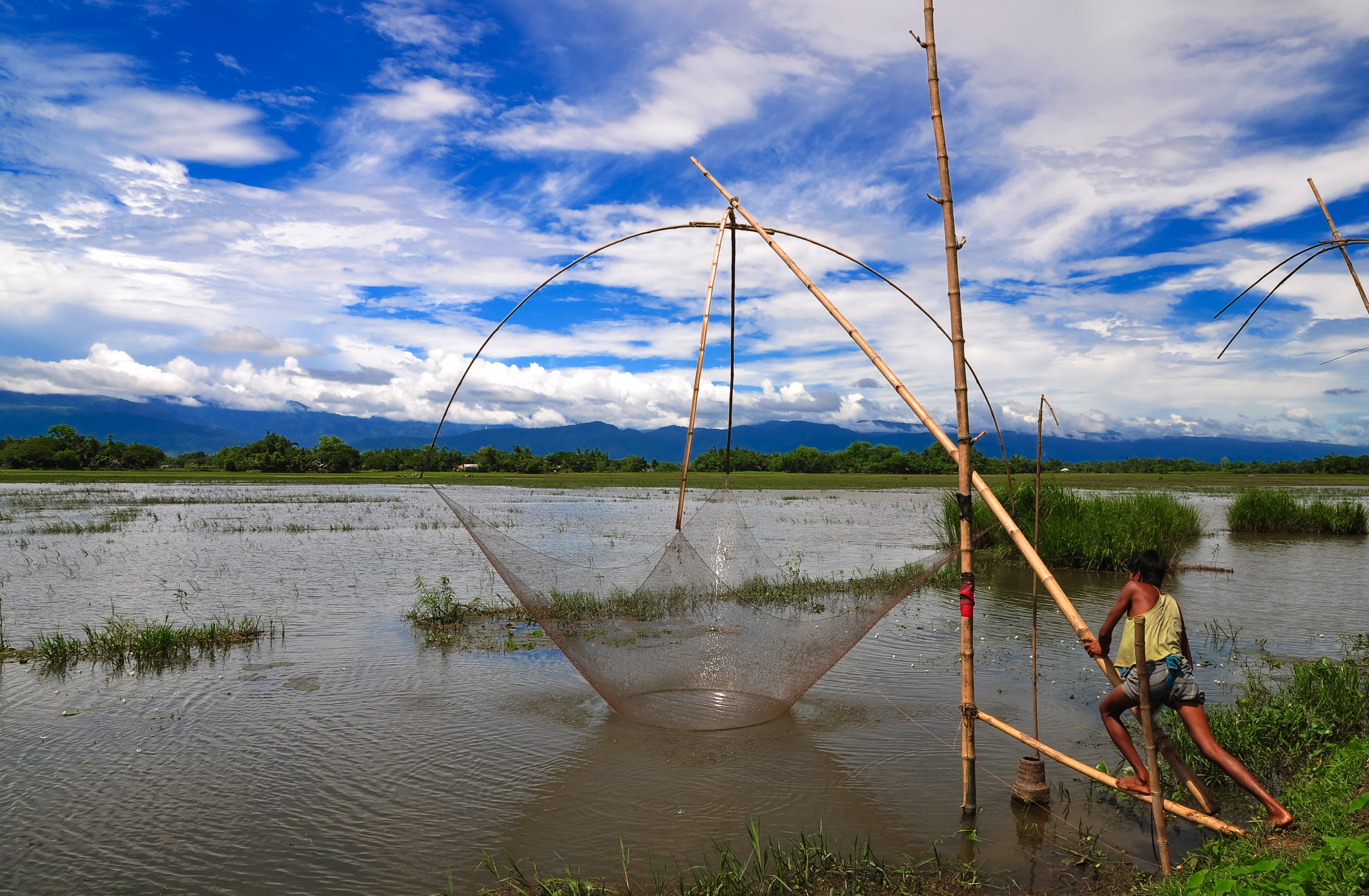
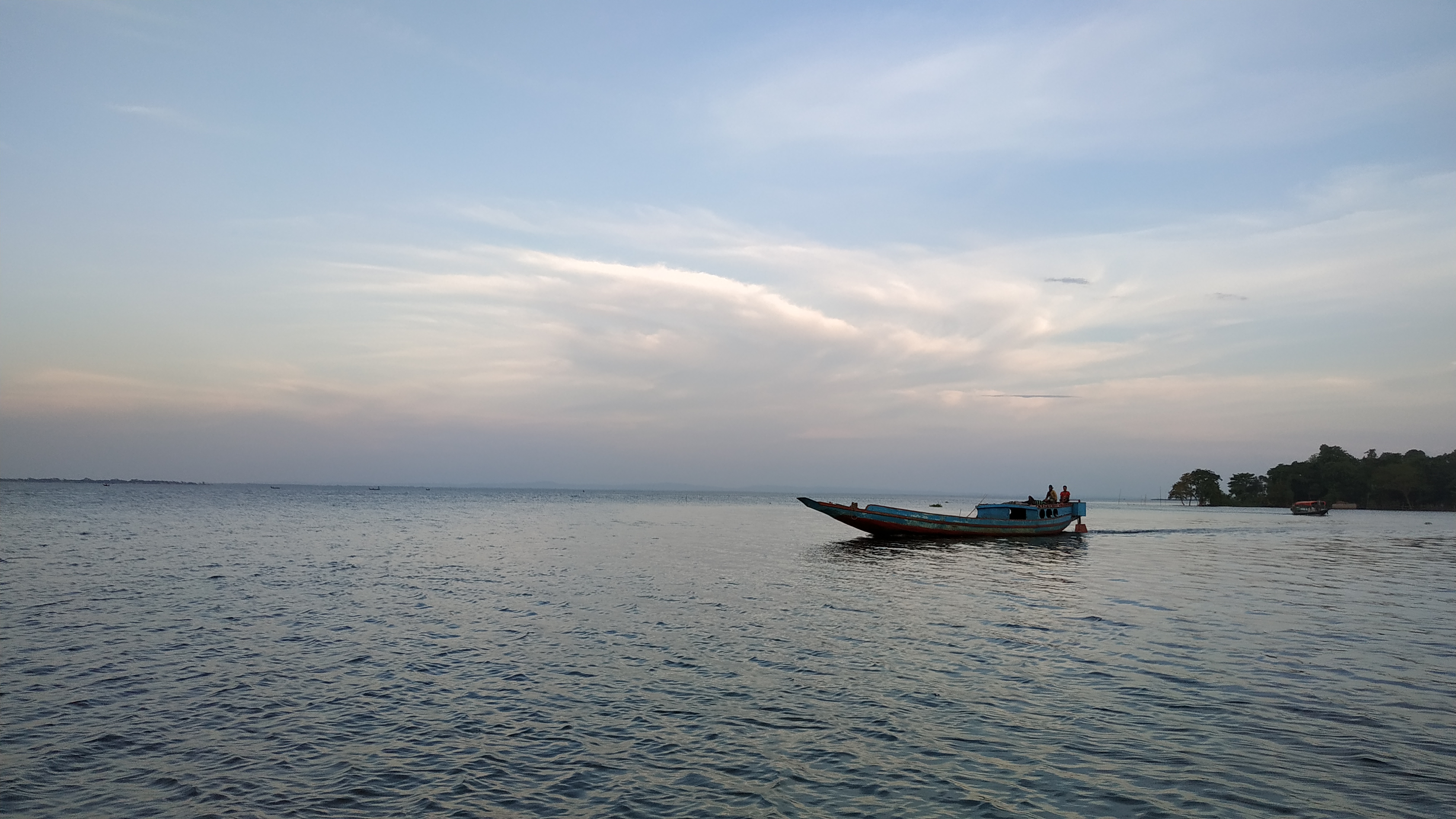
A haor is a bowl-shaped, large tectonic depression that collects runoff from rivers and khals, according to Banglapedia, the national encyclopaedia published by the Asiatic Society of Bangladesh. It becomes a very large body of water in the monsoon and mostly dries up afterwards. The word comes from the Sanskrit sagar, sea, which people in Sylhet and north-eastern Mymensingh pronounce as haor. The small permanent water bodies inside a haor are called beels.
Banglapedia places the haors mainly in greater Sylhet and greater Mymensingh. The basin is bounded by the hills of Meghalaya in India to the north, the hills of Tripura and Mizoram to the south and the highlands of Manipur to the east. The whole of Sunamganj district is covered by haors, as is a major part of Habiganj; some parts of Sylhet Sadar upazila and parts of Moulvibazar are also haor land. The basin holds about 47 major haors and some 6,300 beels of different sizes, of which about 3,500 are permanent and 2,800 seasonal.
Rivers rising in the Indian hills flood the plains in the monsoon to a depth of up to 6 metres, and the land stays under water for about seven to eight months. In that season a haor becomes an inland sea in which villages stand like islands, and strong winds from July to September raise waves that can damage homesteads. In the dry season most of the water drains away and only one or more shallow beels remain.
The Master Plan of Haor Area, prepared in 2012 for the Bangladesh Haor and Wetland Development Board by the Center for Environmental and Geographic Information Services (CEGIS), counts 373 haors and wetlands in seven north-eastern districts, covering about 859,000 hectares, according to a 2019 article in The Daily Star by a statistical officer of the Bangladesh Bureau of Statistics. A second Daily Star article that month named those districts as Sunamganj, Sylhet, Habiganj, Moulvibazar, Netrokona, Kishoreganj and Brahmanbaria, and said the haor wetlands cover approximately 43 percent of their total area. They are the same seven districts named in the March 2025 draft rule. The plan has a 20-year horizon and a planned investment portfolio across 17 sectors, fisheries among them.
Tanguar and Hakaluki: two haors inside the proposed ban area
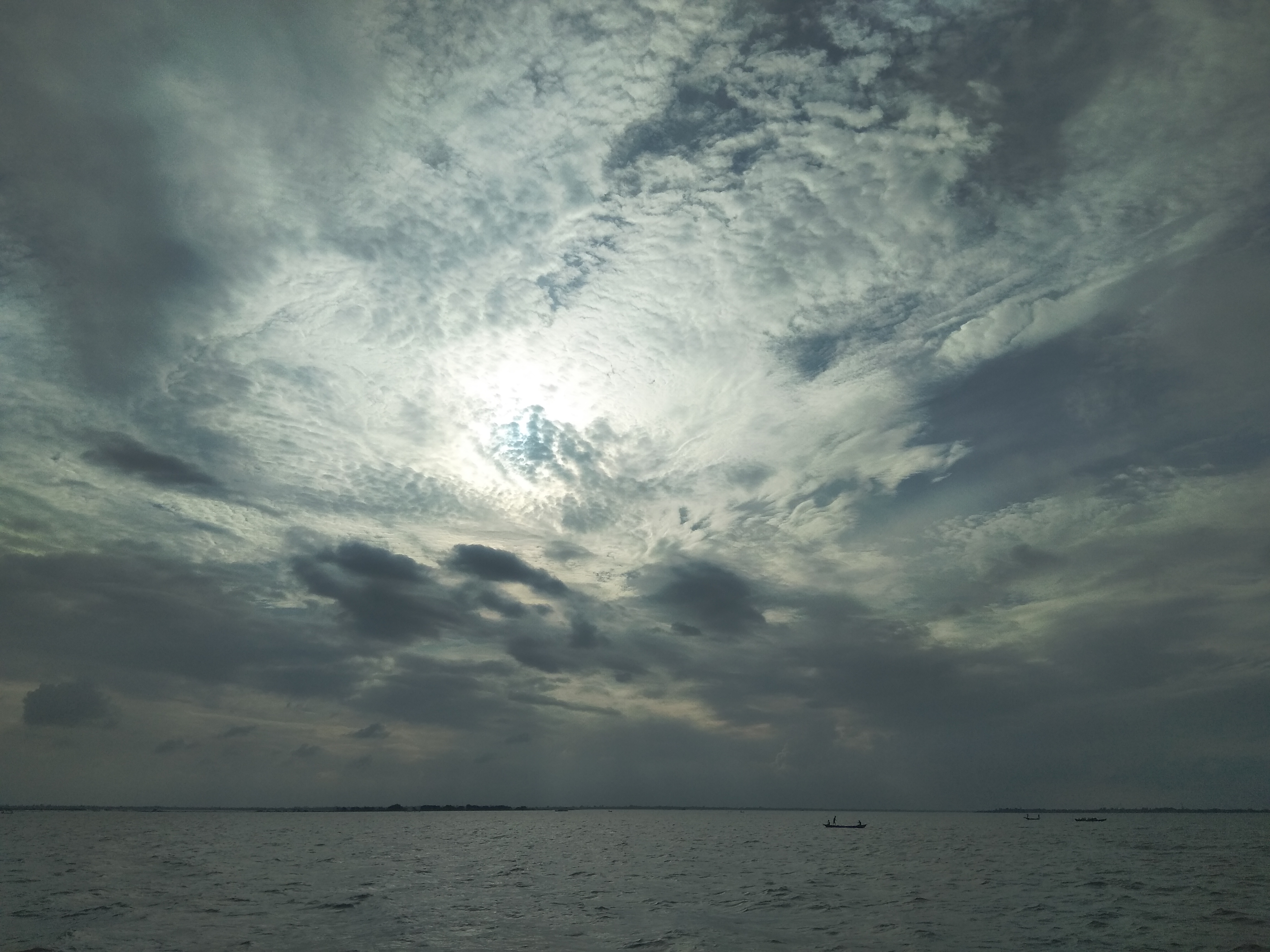
Two of the best-known haors lie in districts covered by the draft. Tanguar Haor is in Sunamganj district, spread over 10 mauzas of Dharmapasha and Tahirpur upazilas, according to Banglapedia. It covers about 100 square kilometres, including 46 villages inside the haor, with 2,802.36 hectares of wetland and 120 beels of different sizes. The government has listed it as a Ramsar site under the international Ramsar Convention on wetlands.
Banglapedia records more than 140 species of freshwater fish in Tanguar Haor, among them air, gang magur, baim, tara baim, gutum, gulsha, tengra, titna, garia, beti and kakia. About 200 kinds of migratory bird arrive each winter. Its threatened swamp trees include hijal (Barringtonia acutangula) and koroch (Pongamia pinnata), and drilling for gas or oil is banned within 10 kilometres of the haor. Most of the people living there are landless or marginal farmers, and the land yields only one crop a year.
Hakaluki Haor lies along the border with Assam in India and spreads across five upazilas: Kulaura, Juri and Baralekha in Moulvibazar district, and Golapganj and Fenchuganj in Sylhet district. Banglapedia gives its total area as about 181.15 square kilometres, about 40 percent of it in Baralekha, with more than 238 interconnected beels, some perennial and some seasonal. In the monsoon it swells to about 18,383 hectares and stays under water for up to five months. Its feeder rivers include the Juri or Kantinala, the Sonai or Bordol, the Damai, the Fanai and the Kuiachara.
The government declared Hakaluki an Ecologically Critical Area in 1999 under the Bangladesh Environment Conservation Act. Banglapedia lists 417 bird species recorded there and 558 species of animals and birds in all, and says about 200,000 people live around the haor, most of them depending on its resources for their livelihood.
Why the start of the monsoon matters for haor fish
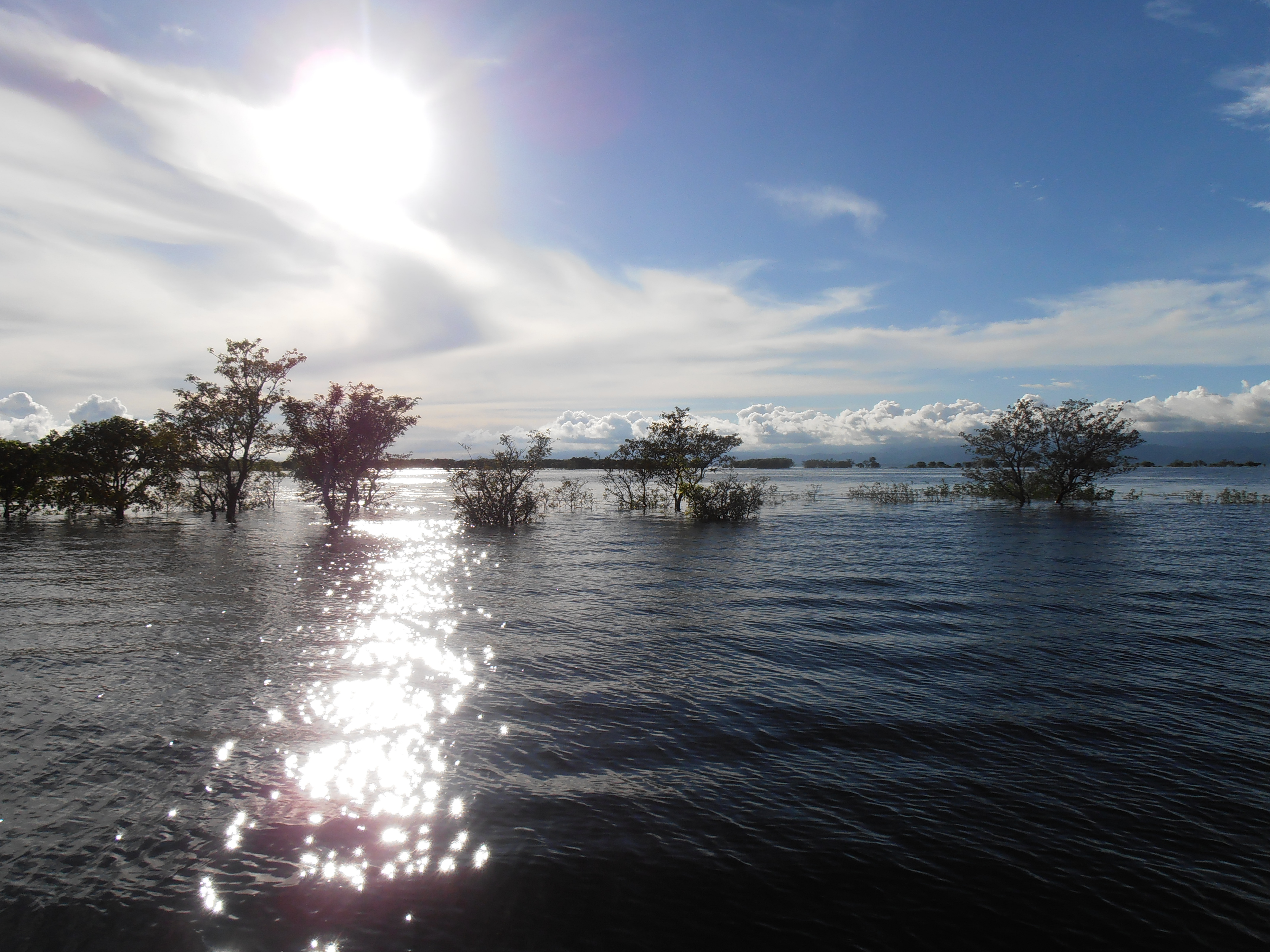
Haors are among the most productive wetlands in Bangladesh and important fishing grounds, according to Banglapedia. Reeds and sedges formed by sedimentation give food and shelter to fish and other aquatic animals, the haors act as natural reservoirs that regulate the flow of the Meghna river system, and they serve as sanctuaries for resident and migratory birds. As the floodwater recedes, small fish, oysters, water snails and bivalves become available to the people of the haor.
Earlier reporting from the region tied the breeding season of haor fish to the months around the monsoon's arrival. In May 2017 a senior upazila fisheries officer in Kulaura told The Daily Star that fish release their eggs at different times, especially from March to July, in the shallow parts of rivers and haors. In May 2020 the same paper reported that local species such as taki, shol, gazar and ayer hatch their eggs in April and May.
Neither the Jagonews24 report nor the notification it described, as reported, gave the reasons for choosing 29 May to 28 June. The February 2025 reports said only that the haor proposal was meant to protect local fish stocks.
Rules already in force in haor waters
The proposed month would add to protections that the 1985 rules already gave to inland waters, including those of the haor districts. In the Department of Fisheries' compilation of the rules up to October 2011:
- Rule 3 bans erecting or using fixed engines in rivers, canals, khals and beels; such engines, and fish caught with them, may be seized and forfeited.
- Rule 4 bans building bunds, weirs, dams, embankments or other structures in or across rivers, canals, khals or beels for any purpose other than irrigation, flood control or drainage.
- Rule 5 bans destroying fish with explosives, guns or bows and arrows in inland waters or coastal territorial waters, and rule 6 bans destroying fish by poisoning water or by pollution.
- Rule 7 bans catching or destroying, from 1 April to 31 August each year, fry of shol, gazar and taki moving in clusters, or the parent fish guarding them, in rivers, canals, khals, beels and connected waters, except for carp culture.
- Rule 8 and its First Schedule ban catching rui, catla, mrigal, kalbaus and ghania without a licence in listed waters; for stretches of the Kushiara and Surma, the Lula canal up to Hakaluki Haor and channels leading to Makalkandi and Mokar haors in Habiganj, the period is 1 April to 30 June each year.
- Rule 12 lets the government ban any kind of fishing net or regulate mesh size by gazette notification; a notification of 25 January 1988 under it banned gill nets, including current jal, with a mesh of 4.5 centimetres or less.
Rules 13 to 15 set seasonal closures for hilsa sanctuaries and spawning grounds and for parts of the Halda river in Chattogram. Unlike those, which name river stretches, the proposed haor rule, as reported, would cover the haors of whole districts for a fixed month every year.
Pressures on haor fisheries reported in earlier years
Newspaper reports in the years before the draft described the pressures that such rules were meant to answer. In May 2017 The Daily Star reported that fishermen in haor areas of Sylhet division, including along the Surma, Kushiara, Bashia, Monu and Khowai rivers, were catching fry and mother fish with mosquito nets and current nets, and that in Hakaluki Haor this was happening daily as the water fell. One kilogram of fry was being sold for Tk 390 near Hakaluki in Kulaura upazila. The dean of the Faculty of Fisheries at Sylhet Agricultural University told the paper that this netting posed a threat to 54 varieties of fish in the area, and the Department of Fisheries' deputy director for Sylhet division said mobile courts were running drives with the district administration's help.
In May 2020 the paper reported from Tahirpur in Sunamganj that illegal fry catching began in the first week of April and went on for months, with prohibited nets in use and fishing continuing inside the sanctuaries of Tanguar Haor. The deputy commissioner of Sunamganj said embankments built to protect paddy kept water levels low, which gave people the chance to catch fry. The Department of Fisheries' deputy director in Sylhet pointed to a shortage of manpower for watching over such large waterbodies, and the COVID-19 lockdown had halted enforcement drives. A local haor organisation called for a complete two-month ban on catching and selling fry, with incentives for fishers in financial hardship, and a professor of aquatic resource management at Sylhet Agricultural University said enforcement alone could not solve the problem without awareness among fishers and local people.
A February 2019 opinion piece in The Daily Star by a statistical officer of the Bangladesh Bureau of Statistics listed pesticides used in paddy fields, over-exploitation of fish, growing settlement and low awareness of conservation among the threats to the haors. It added that flash floods strike the region almost every two or three years and damage the boro rice crop on which most residents depend.
Photo: Balaram Mahalder / Wikimedia Commons (CC BY-SA 3.0)
Sources: Jagonews24, UNB, Dhaka Tribune, Department of Fisheries (The Protection and Conservation of Fish Rules, 1985, compiled to 2011), Banglapedia, The Daily Star
Comments
(0)