
Crops
A Drop of Water, a Drop of Life
World Water Day, observed every 22 March, highlights a worsening safe water crisis worldwide and in Bangladesh, and the steps individuals, government and society can take.
World Water Day, observed every 22 March, highlights a worsening safe water crisis worldwide and in Bangladesh, and the steps individuals, government and society can take.
Dr Forkan Ali argues that the birds that winter in the haor are being hunted and robbed of habitat, and calls for sanctuaries, jobs for hunters and public awareness.
A palash tree planted by Gono University's 5th law batch in 2015 now flames red and orange every spring, a living reminder of the students who planted it.
Dr Forkan Ali argues that Bangladesh's largely untapped coal, limestone, white clay, glass sand and other minerals, valued by the GSB at over $2.26 trillion, could earn much foreign exchange.
Residents of Bangladesh's coastal chars live with storms, floods and hardship yet cling to their homesteads, bound together by mutual dependence and hospitality.
 Crops
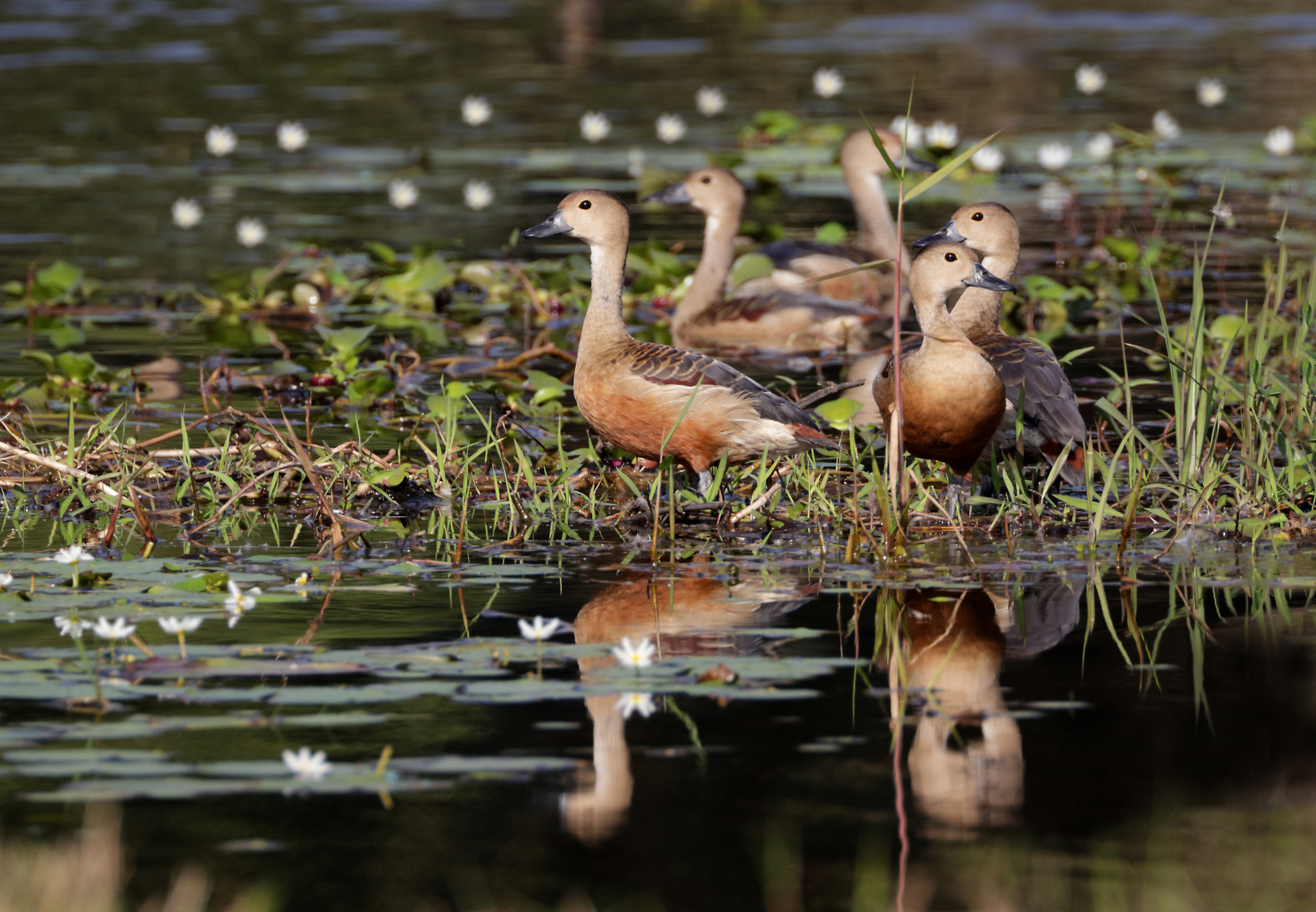
On 3 February 2025 a wildlife inspector of the Forest Department filed a case in Rajshahi Metropolitan Magistrate Court-2 against two content creators over videos of slaughtering and roasting pond herons and lesser whistling ducks. The court issued summonses.
Official statistics show hilsa catches rising, but the fish is scarce and costly in markets, argues media worker Jahidul Islam Mehedi.
Titumir College student Ali Ahmad, whose research focuses on climate-smart agriculture, was one of ten chosen nationally for a Swedish embassy fellowship.
For eight winters flocks of lesser whistling ducks have rested at Janeshwar Dighi in Lakshmipur Sadar, where villagers and the pond's lessee protect them.
A personal essay on how new date palm molasses is made each winter and the place it holds in Bangladesh's food and culture.
With the cold season under way, sap collectors on the Patuakhali coast have begun tapping date palms for the juice, molasses and pitha that define a Bengal winter.
Climate change, rising salinity, river erosion and a lack of cultivation and care are wiping out the gol palm from coastal settlements, environmentalists warn.
A Gopalpur villager has started the first commercial production of vermicompost in Narail Sadar upazila, and local vegetable growers are using it instead of chemical fertiliser.