
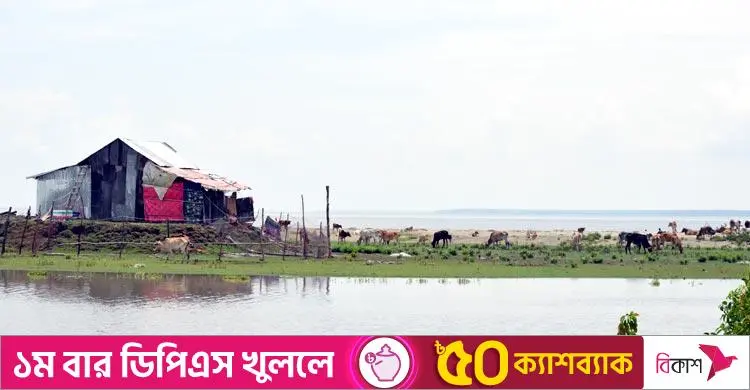
The polythene huts on the riverbank look as if the waves of wind might blow them away, and the cold nights chill people to the bone. Yet they think: "This homestead was my father's, it is mine, and it will be my children's. However hard it is, we will not leave it. Even if I am gone, let the homestead survive. If a great disaster comes, I will die, but I will not leave the homestead." That is how the people of the island chars think. The living story of char dwellers is written around family bonds woven with affection, and around nature. Even in harsh conditions such as storms and floods, they spend their days in their own huts. This is called attachment, a love of roots, and that is why they find comfort in their char homes. On the chars there is warmth and togetherness between people.
To those who think of char areas only as places of clashes over land, it can be said: visit the areas called chars once. In most coastal char areas you will enjoy seeing communal harmony, hospitality and people of simple mind. There are Dublar Char in the coastal district of Khulna; Majher Char, Chhoilar Char, Laldiar Char in Patharghata, and Fatrar Char and Nidrar Char in Taltali, in Barguna; Char Kajal in Galachipa and Char Montaj and Andar Char in Rangabali, in Patuakhali; and Char Fasson, Char Kukri-Mukri, Monpura and Dhalchar in Bhola, among others.
How chars form
By nature and character, a char is land surrounded by sea, lake or river. Land that forms as silt gradually builds up in rivers and the sea is usually called a char. A char's shore is surrounded by large amounts of silt and mud, and unlike an island it has no sand or rock beach. So it is clear that chars are created by nature, and people have settled on these natural chars to gather one natural resource or another.
Studies of settlements in Bangladesh's char areas show that people have lived on the chars for a very long time. Since ancient times, people have settled there for various rural economic needs such as farming, fishing, grazing cattle and collecting wood. It can be said that chars are a gift of nature, and people live there to make use of that nature. Perhaps that is why, like nature, a genuine generosity is born in the minds of char people.
'Life on the char is in others' hands'
A saying is often heard from char dwellers: "Life on the char is in others' hands." It means that the power to protect their own lives does not lie with char residents themselves. They all depend on one another, which is why no one on the char sees themselves as self-sufficient. When ill, they seek others' help. No one on the char can manage without the help of others. This belief binds char dwellers together like close relatives. It teaches them to be sincere with one another, to respect their elders, to be simple, to live well without greed, and to live with few needs and little consumption.
Char dwellers depend on nature, and natural or man-made dangers are their constant companions. Yet every village in the char areas is like a hall. It is not about a special day's event or a long-awaited handshake; every day on the char is a gathering of kinship. Even without any special reason, event or need, there is a special bond in the lives of char dwellers.
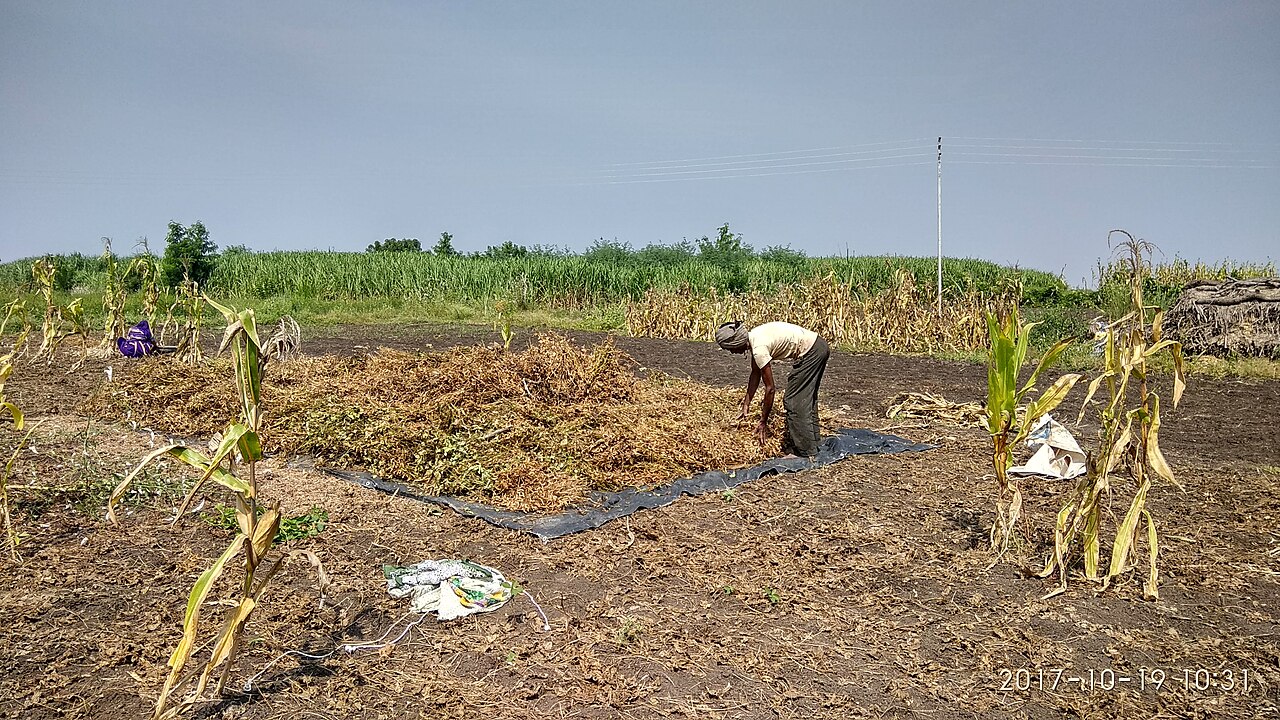
Corporate life does not touch them. They are used to simple occupations: some are farmers, some livestock keepers, some fishers; others are day labourers, woodcutters, cowherds, shopkeepers or tailors. They do not have much trouble with laws and courts either. Small problems are settled locally: the chairman and union member, the school headmaster and a few respected people sit together to find a solution. In a word, the char's equation is solved simply, without making small matters complicated.
Hospitality and faith
People of the char areas are very hospitable. Even if they go hungry themselves, they spare nothing in entertaining guests and honour them as much as they can. Nature has taught them to be generous like nature itself, so they entertain guests generously according to their means. They are happy once their minimum needs are met. Their own diet is very simple, with fish and vegetables every day. When guests come, chicken, cow's milk and date palm molasses are added.
Most char people are simple. One of them is Hatem Ali of Dhalchar in Bhola, a vegetable seller by trade. Talking about life on the char, he told Jago News: "Char people toil and sweat so they can sleep a little in peace. Char people want little, get little and, if need be, eat little, but they do not want to live by beating, grabbing or cheating others. That is why, even in great disasters like storms and floods, the Creator protects the char dwellers."
Sharif Mia, a village doctor on the char, said: "There is no good treatment or doctor on these chars, yet people are not very ill. Corona came to the country and countless people died, but how many died on the chars? Only a handful. Those who rely on nature are protected by nature. Char people keep faith in the Creator and praise the Creator, so the Creator protects them."
One evening, local people sat chatting with journalists at Badhghat bazar in Char Montaj, Rangabali upazila, Patuakhali district. The talk turned to life there, and many of those gathered had much to say. Some of them said that if the country's char farmers got fair prices, if fish caught from rivers and the sea could be taken easily and directly to city markets, and if there were strong embankments to stop char erosion, perhaps no one in the country would live in more peace than char dwellers. They said: "For peace you do not need a good house; you need good nature. And that is what the chars have."
Source: Jagonews24. First published in Bengali on The Agro News.

Comments
(0)