
By Dr Forkan Ali
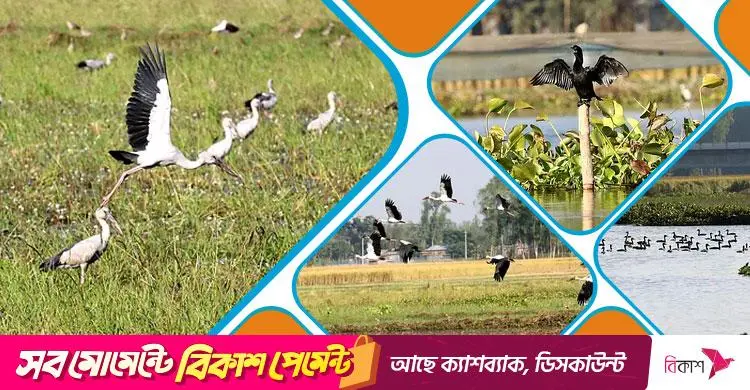
"The birds all sing, the night is over; in the grove every flower bud has bloomed." As a child I loved reciting this poem in a sing-song voice. Having grown up in the muddy water of rivers and canals, I felt blessed to see the poem match real life. There was a time when the people of the haor woke to birdsong and the beating of wings. Granaries full of paddy, byres full of cattle and ponds full of fish were real and complete only in the haor. There were green fields stretching to the horizon, and games of hide-and-seek with the herd boys on the grazing grounds among the chailla grass; forests of hijal, tamal and reeds standing neck-deep in water; flocks of wild ducks flying like strings of pearls across the cold blue winter sky. Birds of every colour, the pure-white heron standing on one leg as if in meditation, cormorants playing in water black as a crow's eye, and water chestnuts could be seen only in the haor. The herd boys' rustic tunes on the vast grazing grounds used to enchant us.
Every year at the start of winter, hundreds of thousands of birds come to the haor from distant Siberia, seeking a little shelter, food and a place to hatch their eggs. They cross enormous distances carrying a message of union and unity. The life of birds and their ways of survival are hard to fathom. Who can count how many sayings, stories and songs about birds have been created in every land and age? Since the dawn of creation, their comings and goings from far away have set people thinking.
Birds in numbers
According to ornithologists, there were once 16 lakh species of birds on earth, and only about eight and a half thousand have somehow survived extinction. By one account there are 6,580 species of birds in Bangladesh; by another, 250 species come from abroad, that is, as migratory birds. Of the visiting birds, 20-22 species are wild ducks, notable among them the golali rajhans, chakhachakhi, lenja and jiria. This coming and going is wrapped in a deep mystery of creation: some invisible pull brings them back to the same place at the same time again and again. But are we treating them properly? They come to escape the harsh cold, to find food and to continue their line. What message do these birds bring to the haor? The day has come to take stock.
We bail out water and dig through mud to catch fish. By clearing forests across the country and filling rivers, beels, jheels, haors and baors, are we destroying only the birds' habitat? In destroying their homes, people are striking at the root of their own existence. Human life is closely bound up with animals and birds; the destruction of one means the ruin of the other. If the food chain breaks, the environment will inevitably suffer. With these deeds we are hurtling towards death in the name of staying alive. What have we done to bird habitats in the haor and across the country? Forests have been destroyed, water bodies filled, and these harmless, peace-loving, helpless birds are killed indiscriminately as a show of bravado.
Guests we shoot
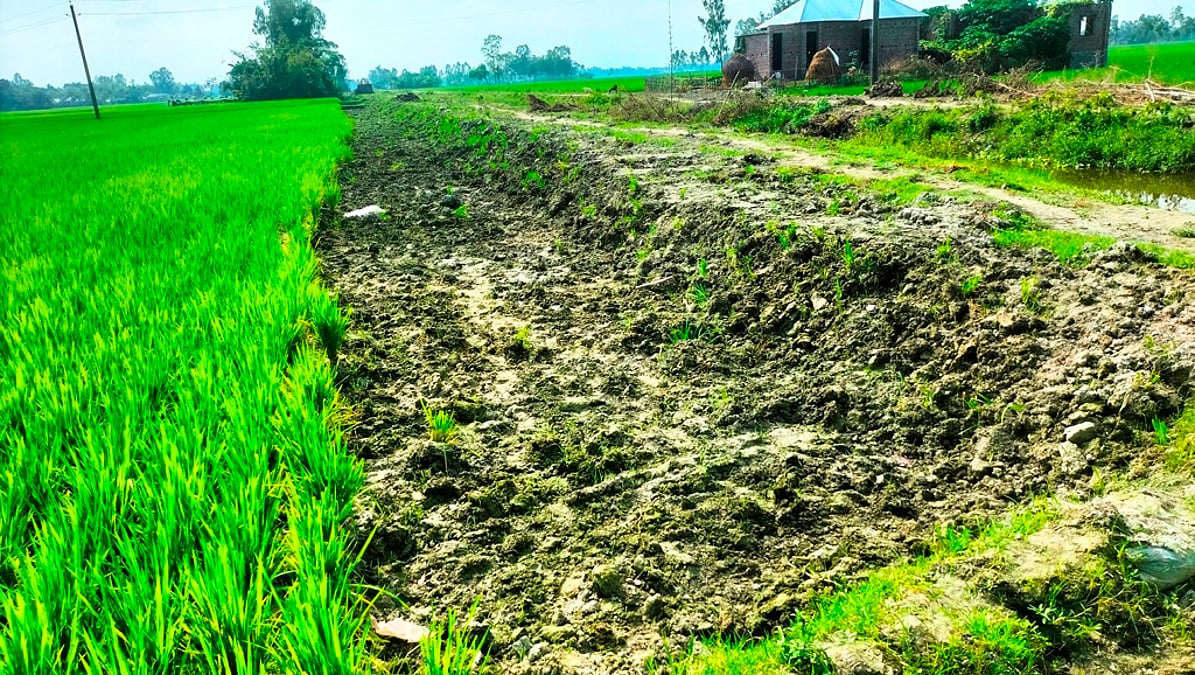
We Bengalis are known as a hospitable people; I have heard that one could once travel the whole subcontinent without a single paisa. Yet how are we treating our guests? We trap them and shoot them. What harm do these birds do? They eat harmful insects and so actually help us. Birds and fish complement each other; if one declines, so will the other. By devouring pests they protect our crops and save us from the self-destructive harm of lakhs of taka worth of pesticides. The reed beds and the hijal and tamal groves of the haor have been destroyed. Vast grazing lands have been turned into green fields. The dark-water beels and jheels have been filled in, and we have squeezed the birds' habitat. A class of thoughtless hobby hunters kill birds without discrimination, never letting them feed in peace for a moment or sit on their eggs. Clearing forests is stopping breeding, and even the few chicks that do hatch are taken away by people.
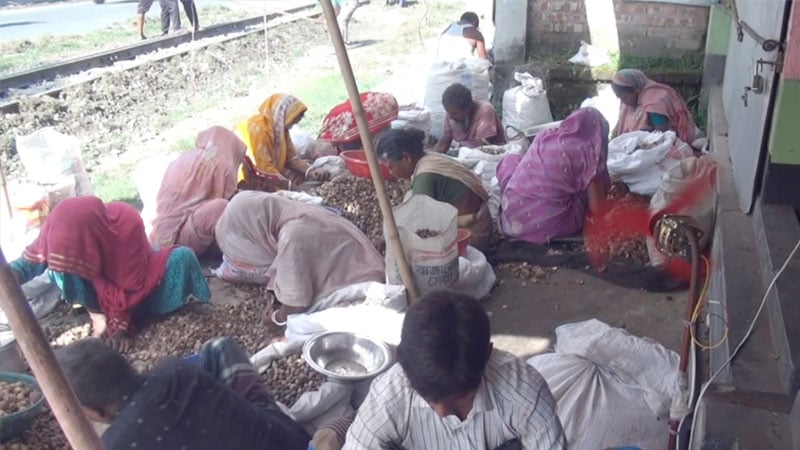
Some may point to harm as well as good done by migratory birds. Many jobless people in the haor catch and sell these birds to support their families. Birds sometimes ruin newly transplanted paddy fields and trample ripe paddy. That argument cannot justify killing them. I have also seen countless birds die from pesticides used on farmland. Around 1974-75, when chemicals were sprayed from aircraft, I witnessed the pitiful cries of thousands of helpless birds pleading to live. People from the upper classes, bureaucrats and politicians come to this region to hunt birds. Just as kings and emperors once hunted elephants, bird-hunting expeditions still go on today.
What must be done
The fatless, soft-boned meat of these birds is highly prized, and many impossible things are achieved by gifting birds as favours. Now there is a new technique: birds are killed, frozen and exchanged. Hunting and trading go on under the noses of the police and the administration. The government has banned the hunting of migratory birds and tightened enforcement. Bird sanctuaries must therefore be created in the haor and everywhere else, where birds can feed and sit on their eggs without fear and no one disturbs them. Jobs must be arranged for the unemployed people who depend on hunting. People must be made aware and their humane qualities awakened. These sanctuaries and the haor's dark, clear, boundless sea-like waters should be turned into attractions that draw thousands, even lakhs, of tourists. Above all, the humane appeal of birds must be spread among people. This must be done so that we and the environment can live safely, and the sooner the better.
The writer is a researcher and former principal of Rupsha College.
Source: Jagonews24. First published in Bengali on The Agro News.
Comments
(0)