

Zimbabwe's government is projecting a grain deficit of between 266,881 and 541,881 tonnes for the 2026/27 season, driven largely by the poor rainfall expected with an approaching El Niño and by rising fuel and fertiliser costs, Farmer's Weekly reports.
Information minister Dr Zhemu Soda told a post-Cabinet briefing that the conflicts in the Middle East and Ukraine had disrupted fuel and fertiliser supplies and pushed up input prices. Zimbabwe expects to produce 1.6 million tonnes of grain in 2026/27, against 2.243 million tonnes in 2024/25 and 2.74 million tonnes in 2025/26, with a Strategic Grain Reserve target of 600,000 tonnes. The private sector will be allowed to import grain for commercial food and feed needs.
Cabinet's plan rests on six "interventions and resilience pillars": livestock drought mitigation; accelerated climate-smart production; an integrated financing architecture; an enhanced Strategic Grain Reserve; enhanced imports and coordination, with early-warning systems; and capacity-building support.
Ober Jiri, permanent secretary in the Ministry of Lands, Agriculture, Fisheries, Water and Rural Development, explained the pillars at the National Agriculture Conference and Expo in Harare on 26 September. An assessment found at least two million head of cattle already at risk in wards across the country, so the livestock pillar works out how long water and feed will last. The climate-smart pillar focuses on conservation agriculture and keeping moisture in the soil, on irrigation, and on drought-tolerant traditional grains such as sorghum. The government is providing input support to 3.5 million farming families. Each pillar is run by a committee chaired by the private sector and deputised by government.
Agricultural economist Elliot Lumbe told Farmer's Weekly that 1.6 million tonnes would be 42% below the 2025/26 crop. He recalled that the 2023/24 El Niño cut Zimbabwe's maize harvest to around 1.1 million tonnes, and said the forecast could prove optimistic if the weather worsens, while better-distributed rain, irrigation, drought-tolerant varieties and Pfumvudza intensive farming could produce a better result. Imported grain that is much cheaper than local grain would push prices down and strain farmers' finances, he added.
The report is by Clemence Manyukwe for Farmer's Weekly.
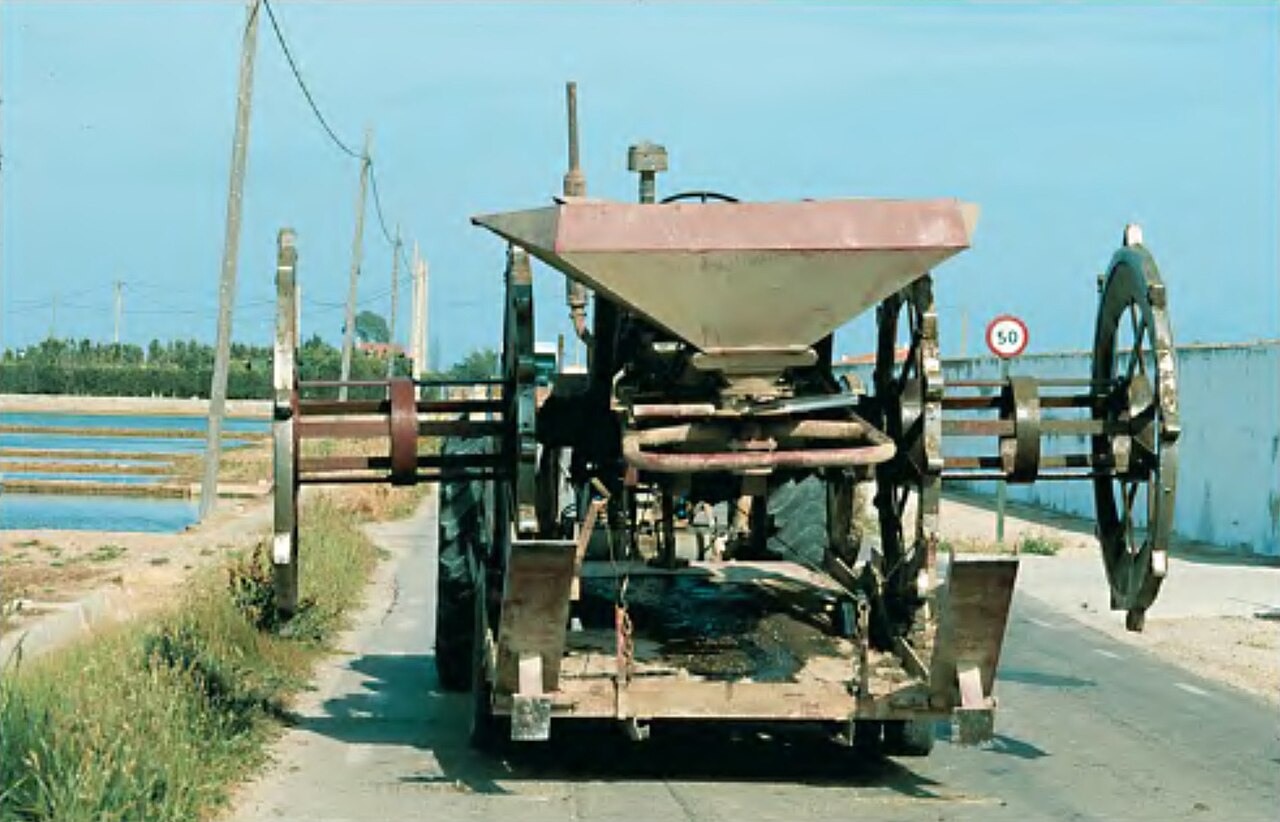
Photo: Nyasha l guzha / Wikimedia Commons (CC BY-SA 4.0)
Source: Farmers Weekly South Africa


Comments
(0)