
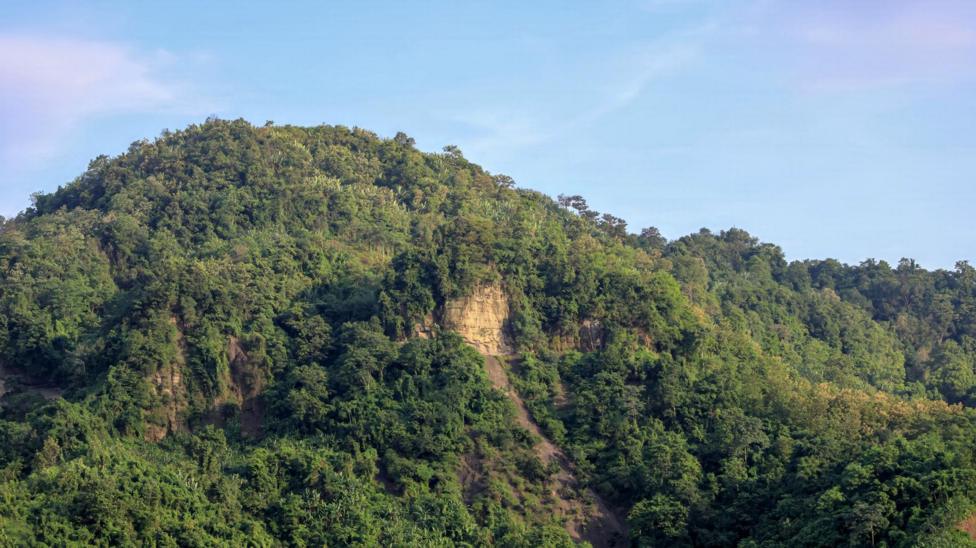
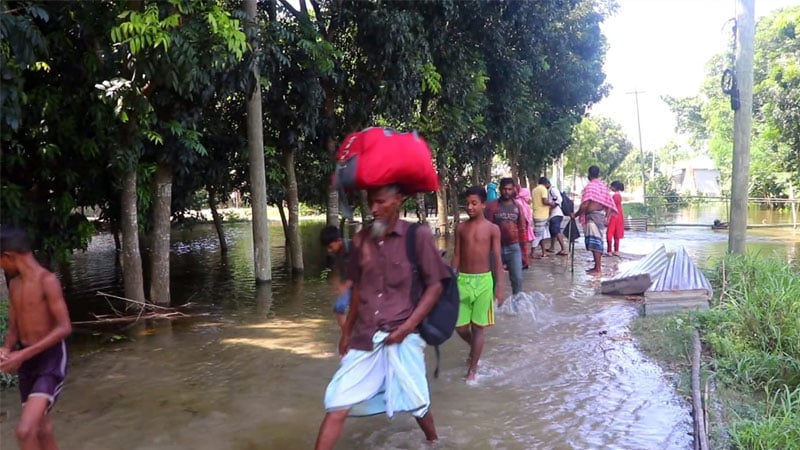
Days of continuous heavy rain, hill run-off and landslides have killed 54 people so far across seven districts of Bangladesh. The districts of Chattogram division, and the hill districts in particular, have been worst affected, and flash flooding has appeared in low-lying parts of Chattogram.
The rainfall has broken records. The Bangladesh Meteorological Department said 329 millimetres of rain was recorded in Chattogram in a single day in July this year, the highest in many years.
Bangladesh receives 71 percent of its annual rainfall during the monsoon. June, July, August and September make up the season, and July brings the most rain of the four — which is when the risk of landslides is highest.
This year's rain behaved differently, according to meteorologist Bazlur Rashid. The monsoon depression moved westward very close to the Bangladeshi coast, so instead of falling evenly across the country the very heavy rain concentrated on Chattogram division.
"How much rain falls depends largely on where the monsoon depression sits over the sea. If the depression is close to the Bangladeshi coast, more rain falls here. If it moves towards Orissa, more rain falls there," he said.
The terrain played its part too. "Because there are hills to the east of Chattogram, the moist air could not cross them easily. So that air stayed over the same area for several days and produced continuous heavy rain. If the depression had gone further north, the rain would have spread across the country," Bazlur Rashid said.
Every year when the heavy rains begin, announcements are made across the hills of Chattogram, residents are told to move, and the meteorological office issues warnings — yet the deaths continue. The question being asked is whether excessive rain alone is to blame for the landslides, or whether long-standing man-made causes lie behind them.
Source: BBC Bangla

Comments
(0)