
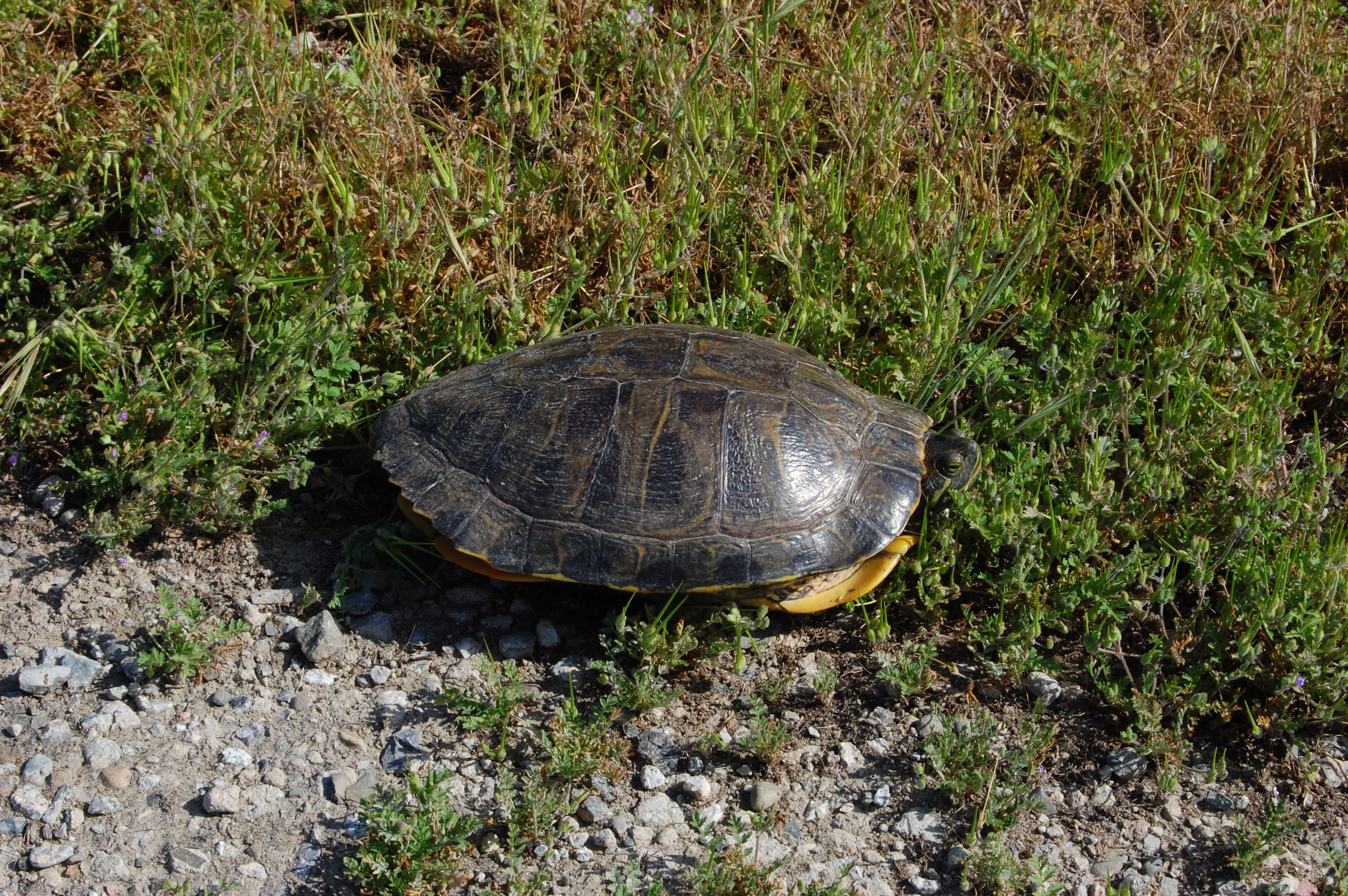
The Bangladesh Forest Department's Wildlife Crime Control Unit (WCCU) recovered 1,104 exotic animals kept illegally for sale in the Rupnagar area of Mirpur, Dhaka. Acting on a tip-off, the unit raided a house in Section 6, Block T of Rupnagar on Thursday, 2 July 2026, helped by members of the conservation group Bangladesh Wildlife Alliance (BWA). The animals were being kept in aquariums built on the roof of the residential building.
What was found
According to the WCCU's press release of 3 July, most of the animals were turtles. The list was:
- 846 red-eared slider turtles
- 138 Reeves' turtles
- 56 common snapping turtles
- 38 yellow-eared slider turtles
- 18 pink-bellied side-necked turtles
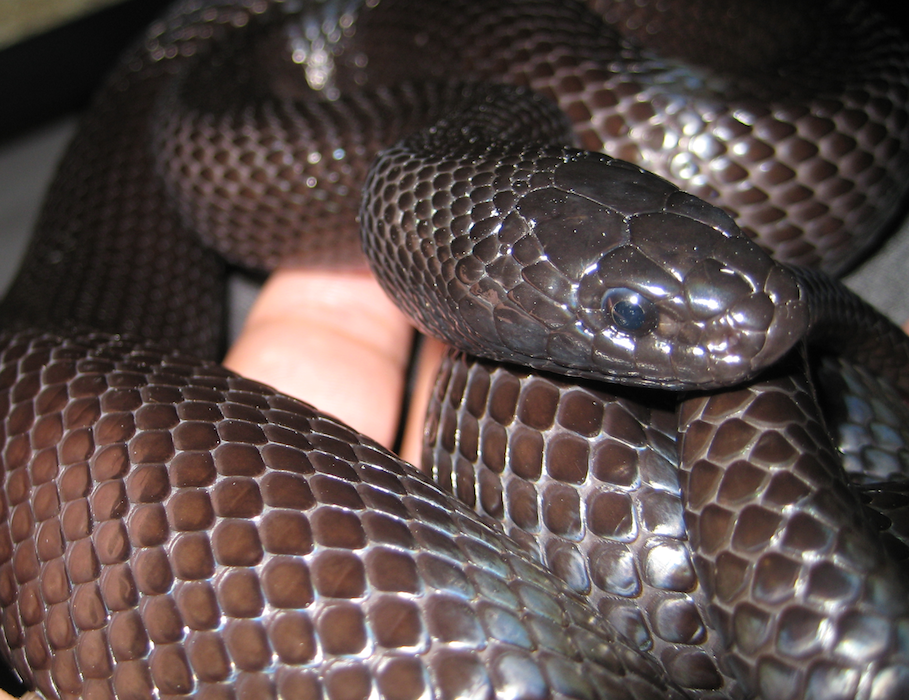
- two corn snakes and one Mexican black kingsnake
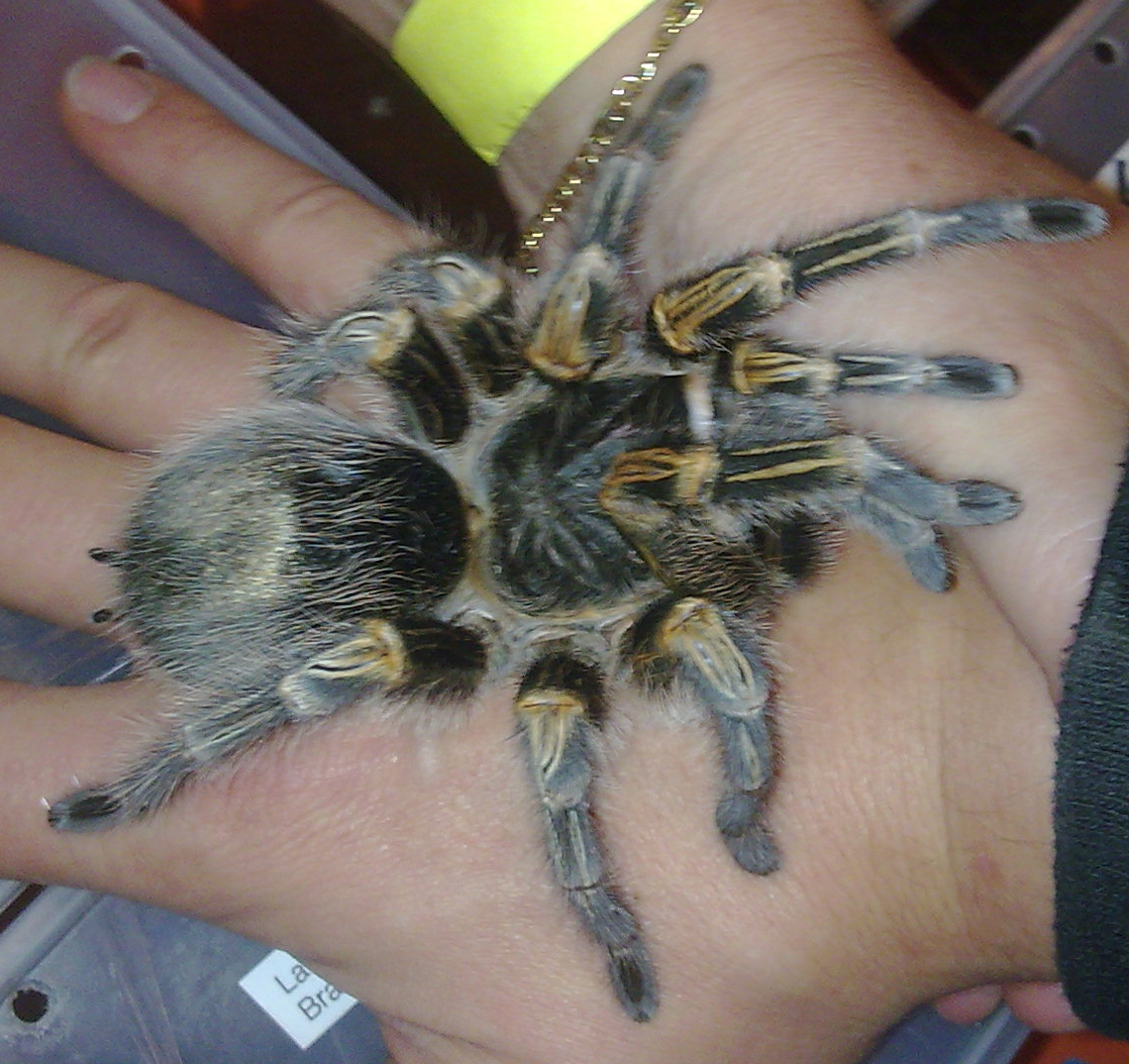
- one golden chaco tarantula and one blood leg tarantula
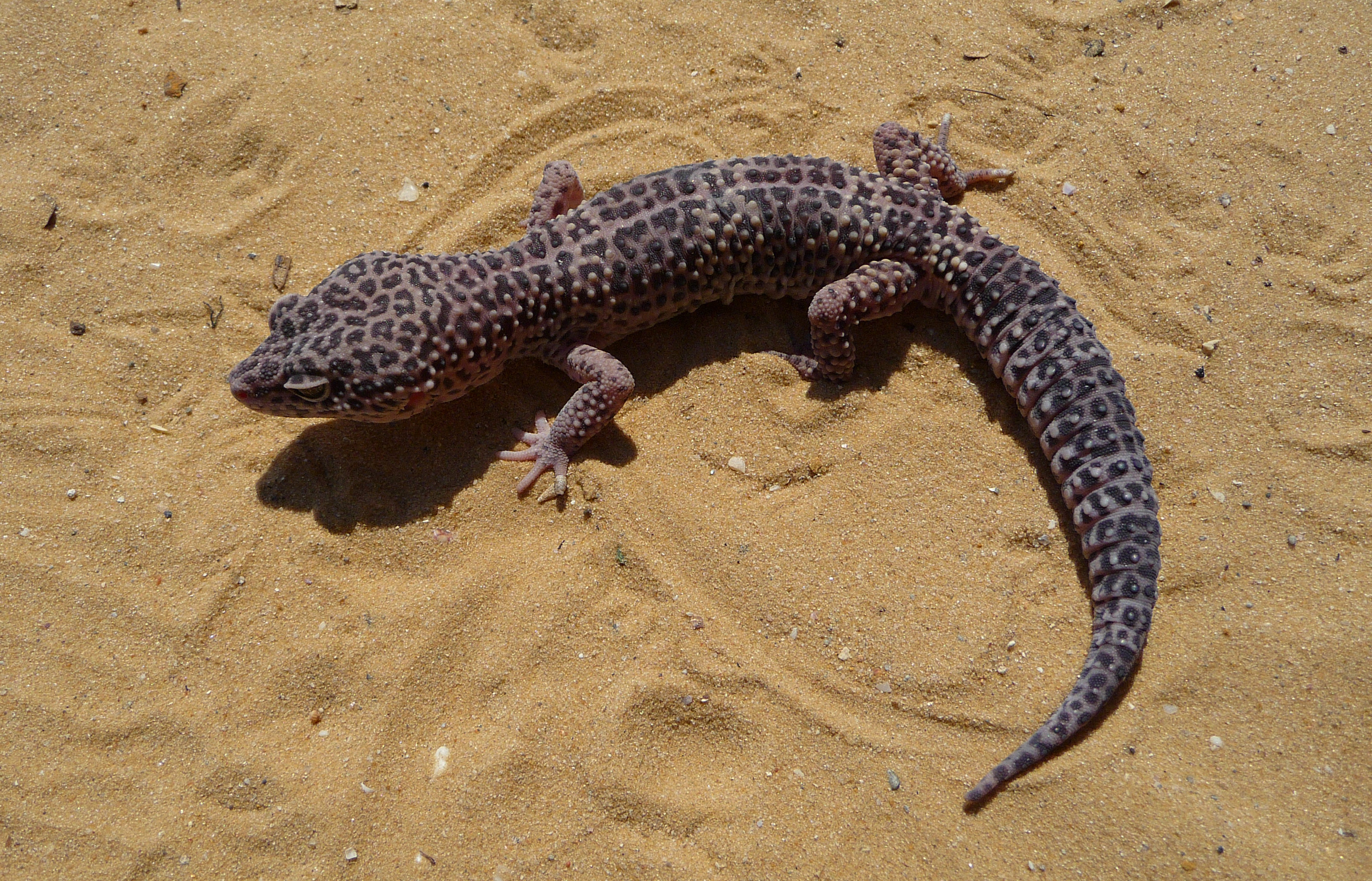
- one dumpy frog, one leopard gecko and one round-tail leopard gecko
Twenty-one of the animals were dead. A 35-year-old man was arrested and a case was filed against him at Rupnagar police station under section 33 of the Wildlife (Conservation and Security) Act 2026; the court sent him to jail. The WCCU said questioning had pointed to several others involved in the trade and that an investigation to identify them was under way. BBC Bangla reported that about 6,000 animals were said to have been at the premises, and that around 5,000 had been sold before the raid.
Where the animals come from
None of these species is native to Bangladesh. The red-eared slider comes from the central and southern United States and northern Mexico; it is the world's most commonly traded reptile and is on the list of the world's 100 most invasive species. Released into the wild, it matures earlier, lays more eggs and grows larger than many native turtles, and outcompetes them for food and space. The corn snake is a harmless, non-venomous rat snake of the south-eastern and central United States, the Mexican black kingsnake lives in the Sonoran Desert region of Mexico, and the leopard gecko comes from dry grasslands and deserts in Afghanistan, Iran, Pakistan, India and Nepal. The Chaco golden knee is one of the larger tarantulas, reaching 20 to 22 cm.
The Forest Department says the law bars bringing such animals into Bangladesh because they can be venomous or dangerous and may harm the country's biodiversity.
Hobby demand, smuggling routes and checks
Adnan Azad, convener of the Bangladesh Animal Welfare Association, told BBC Bangla there were two drivers: a growing fashion for keeping exotic pets, and traders using Bangladesh as a transit route. In his words, the animals are brought for hobby keepers, and the country is also used as a route: they come from Thailand or other countries and go on to India through land ports by smuggling routes. He believes illegal animals are slipped in under cover of species that may be imported with a permit, and that while the airport watches closely for gold and other goods, checks on pets are weak. He proposed a WCCU office at the airport.
Dr Mohammad Aminul Islam Bhuiyan, chairman of the Department of Zoology at the University of Dhaka, pointed to disease risk: because these animals are not tested, nobody knows what effect a foreign species will have on the environment or whether it will spread disease. He said those involved in the trade must be arrested.
The Forest Department says the airport and domestic markets are monitored. WCCU wildlife inspector Abdullah-As-Sadique said many people smuggle animals inside consignments of aquarium fish or aquarium species, or even inside orchids, and that many illegal animals are seized at the airport. Illegal import, export, sale, keeping and transport of wildlife are punishable offences, he said, carrying up to three years in prison. He added that a few days earlier another raid in Mirpur had recovered 42 native wild animals of eight species.
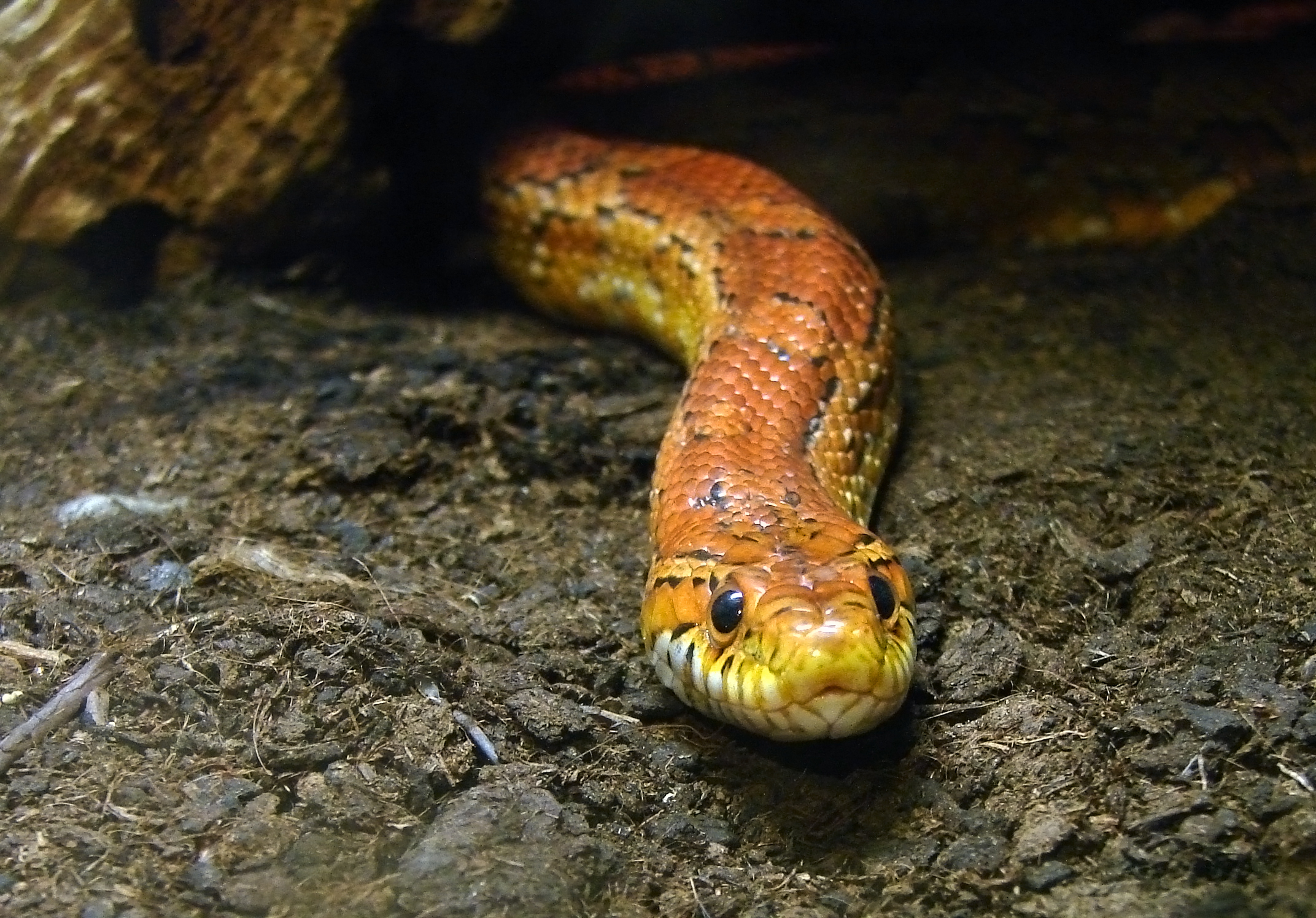
Photo: Eugene Zelenko / Wikimedia Commons (CC BY-SA 4.0)
Sources: BBC Bangla, Bangladesh Pratidin, Channel i Online, Bhorer Kagoj, Wikipedia


Comments
(0)