
Whey protein prices have come off their summer peak but are still more than double last year's, as the supply chain strains under demand from fitness culture's focus on protein and from consumers on GLP-1 weight-loss drugs who want to keep muscle. In the US, high-protein whey concentrate cost about $12.25 a pound at the end of August, 7.5% less than at the start of the month but 134% more than a year earlier, according to Expana data; European prices ended August about 122% higher on the year.
Food manufacturers facing high costs and short supply are turning to hybrid formulas that mix dairy and plant proteins. ADM research presented at its Protein Solutions Center in Decatur, Illinois, found that 66% of consumers worldwide want more protein in their diet, up from 57% in 2023, said Jacquelyn Rodenkirch, ADM's global senior director of product marketing and specialty ingredients.
Soy is one of the main plant proteins that can match whey on nutrition, Rodenkirch said, with a protein digestibility-corrected amino acid score of 1, equal to animal proteins. ADM launched eight new soy and pea products in the first half of this year, including a soy protein isolate, ProFam 883, aimed at dairy hybrid drinks and sports nutrition. Its texture research across 12 product categories found "creamy and smooth" to be the texture consumers want most.
Other suppliers are moving the same way. Puris introduced a pea protein for high-protein drinks in July that it says can deliver 32 to 40 grams of protein a serving; Roquette launched a pea protein isolate with fewer vegetable notes; and in August NNB Nutrition and Axiom Foods introduced a range of hydrolysed plant proteins for clear drinks and frozen desserts, positioned for makers short of whey.
For crop farmers, the shift is a source of demand: soybeans and field peas are the raw material for these ingredients, and every hybrid product that replaces part of its whey creates a market for them. The challenge for formulators, the report notes, is finding the right protein for each product.
The report is by Elizabeth Crawford for FoodNavigator.
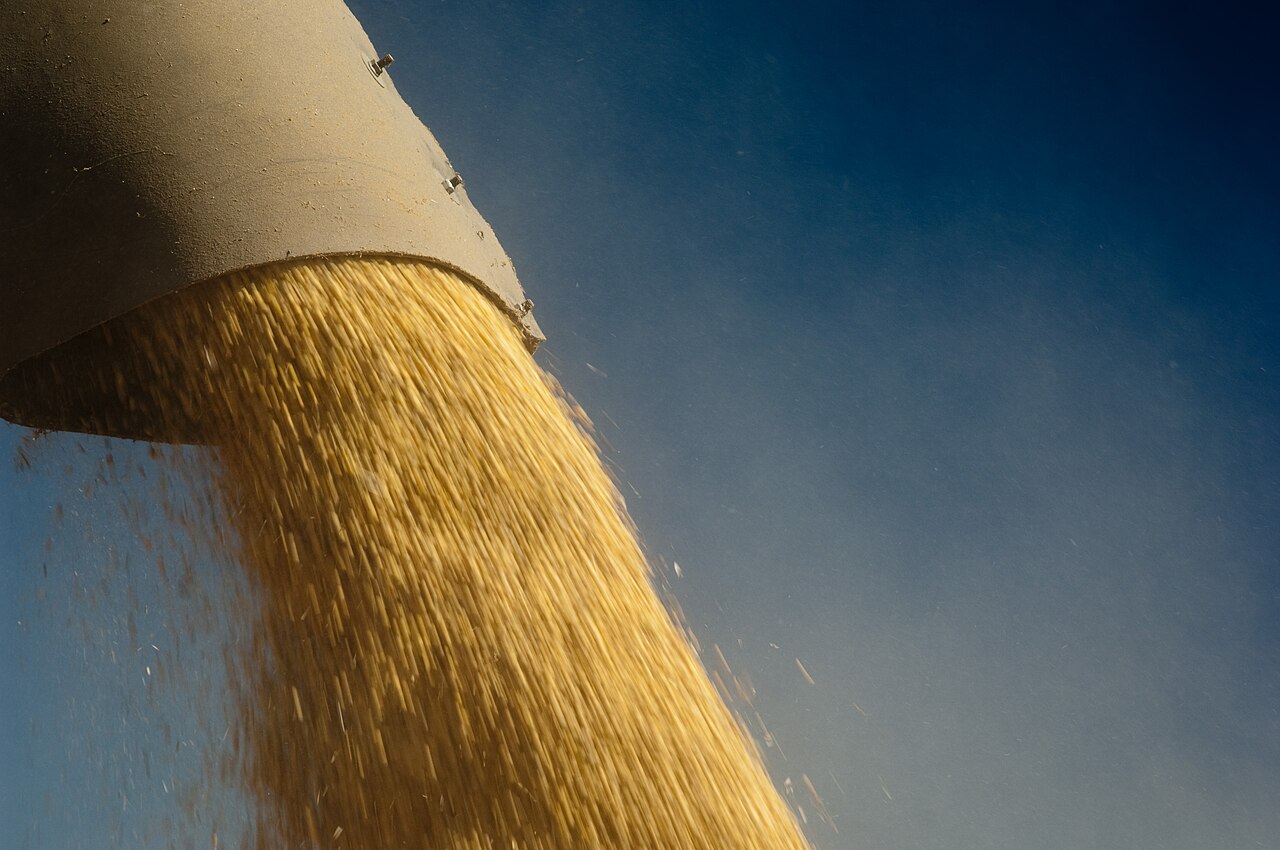
Photo: United Soybean Board (soybeans at harvest) / Wikimedia Commons (CC BY 2.0)
Source: FoodNavigator


Comments
(0)