
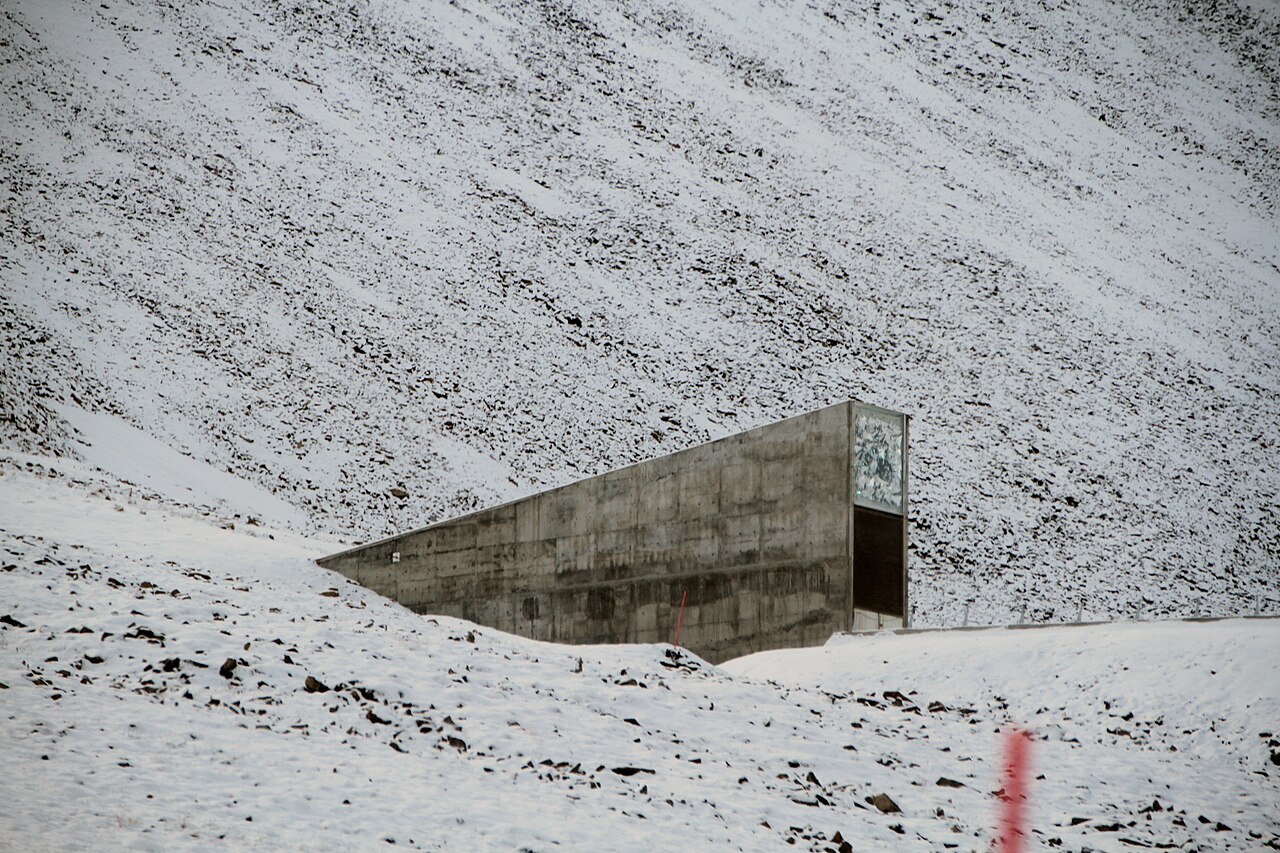
The International Rice Research Institute's International Rice Genebank in Los Baños, Philippines, has made its eighth deposit to the Svalbard Global Seed Vault in Norway, sending 1,890 rice seed accessions as a long-term safety copy of the world's largest collection of rice genetic resources.
Of these, 410 go to Svalbard for the first time, including 248 cultivated rice accessions from Madagascar, 69 wild rice accessions from Costa Rica and 27 cultivated accessions from Nepal. The rest are rice varieties and wild relatives from around the world held in the genebank. The deposit, announced on 13 October, raises safety duplication to 99.59% of the genebank's fully curated accessions; the previous shipment was in 2024 and the first in 2008.
Some samples took far longer than others. Most accessions need two to three years from registration to safety duplication, but 109 in this shipment were especially hard to conserve, difficult to regenerate and producing little seed, and many needed more than 14 years of work before they could be duplicated.
The Svalbard vault is a backstop for the world's crop collections against natural disasters, equipment failure, human error and other losses. "It helps ensure that the crop diversity of today and the past remains available to support future generations and global food security," said Dr Venuprasad Ramaiah, head of the International Rice Genebank.
With climate change and new pests and diseases pressing on rice, the diversity held in the genebank is the raw material breeders use to develop more productive, resilient and nutritious varieties for future generations.
Photo: Bjoertvedt (Svalbard Global Seed Vault) / Wikimedia Commons (CC BY-SA 3.0)
Source: IRRI
Comments
(0)