
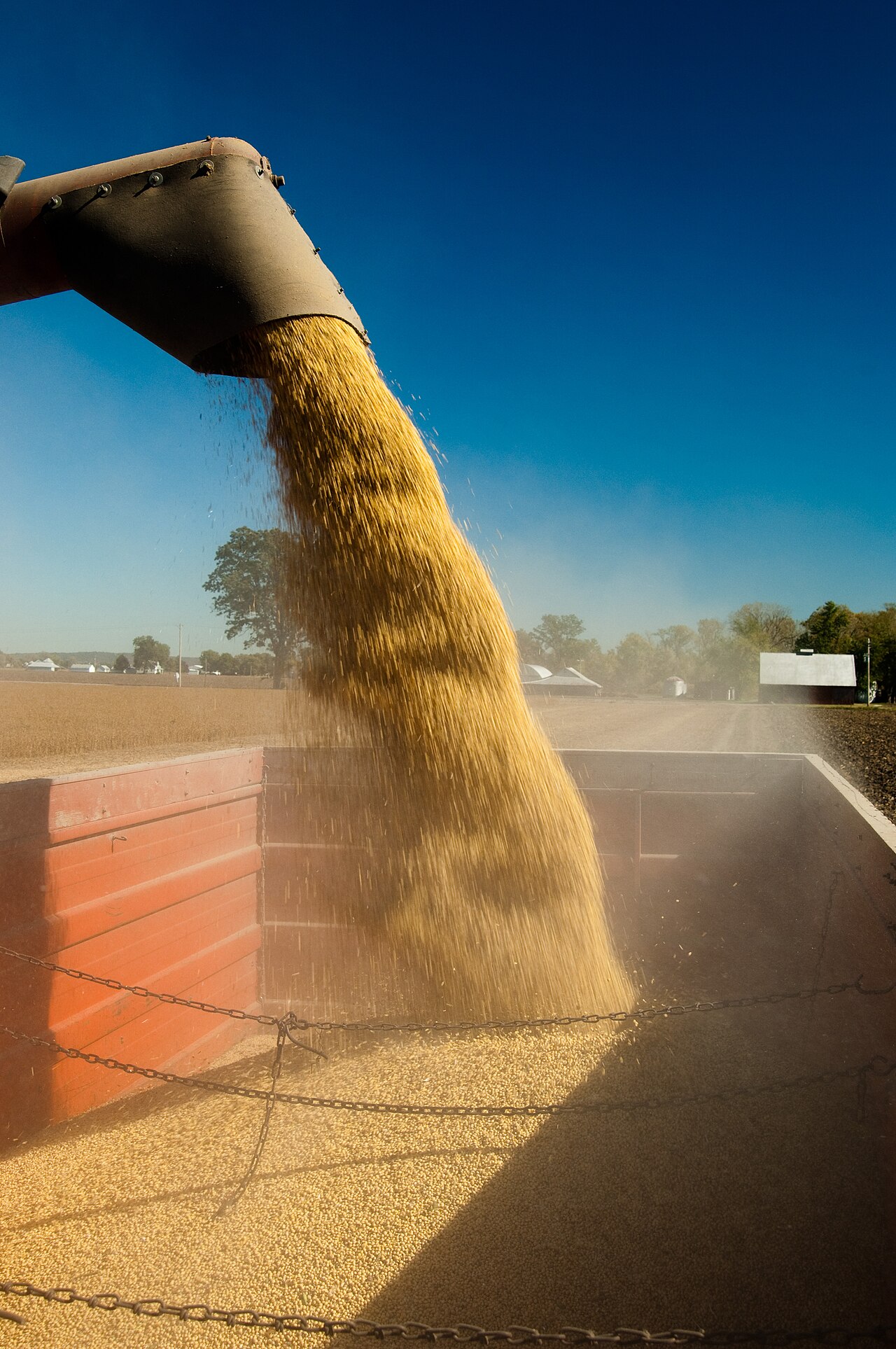
Researchers at the University of Guelph in Ontario are working out the critical tissue-test levels of key micronutrients in soybeans, with the long-term goal of an artificial intelligence tool that diagnoses deficiencies, and are also looking at how to close the crop's nitrogen gap.
Hugh Earl, associate professor and chair of plant agriculture at Guelph, said micronutrients tend to get attention only when a deficiency is obvious in the field, and that the visual symptoms of several deficiencies look alike, which makes diagnosis hard. His results suggest yield-limiting deficiencies and toxicities can be present with no clear symptoms at all, so "you really need more deliberate action than just observing the crop".
The project covers boron, iron, manganese and zinc. Earl said tissue testing is probably the best approach, and that a farmer who applies a corrective treatment should leave an untreated test strip to check that the diagnosis and the remedy were right. The aim is to help farmers judge when a micronutrient application is worth paying for.
Building reliable yield-response curves needs crops across the whole range from deficient to toxic, which is hard to find naturally because deficiencies are relatively uncommon and usually caused by soil conditions that affect several micronutrients at once. Earl's team manipulates each micronutrient independently in an otherwise optimised, high-yielding system, so any difference in crop performance can be traced to the one nutrient changed. That, he said, should allow more accurate predictions of yield loss from tissue-test levels than traditional field studies.
Soybean nutrition depends on more than what is in the soil: soil type, moisture, pH and root health all affect whether nutrients are available when the plant needs them. The work also examines whether biological nitrogen fixation can help soybeans meet their nitrogen needs. The report is by Sarah McGoldrick.
Photo: United Soybean Board (soybeans at harvest) / Wikimedia Commons (CC BY 2.0)
Source: Manitoba Co-operator



Comments
(0)