
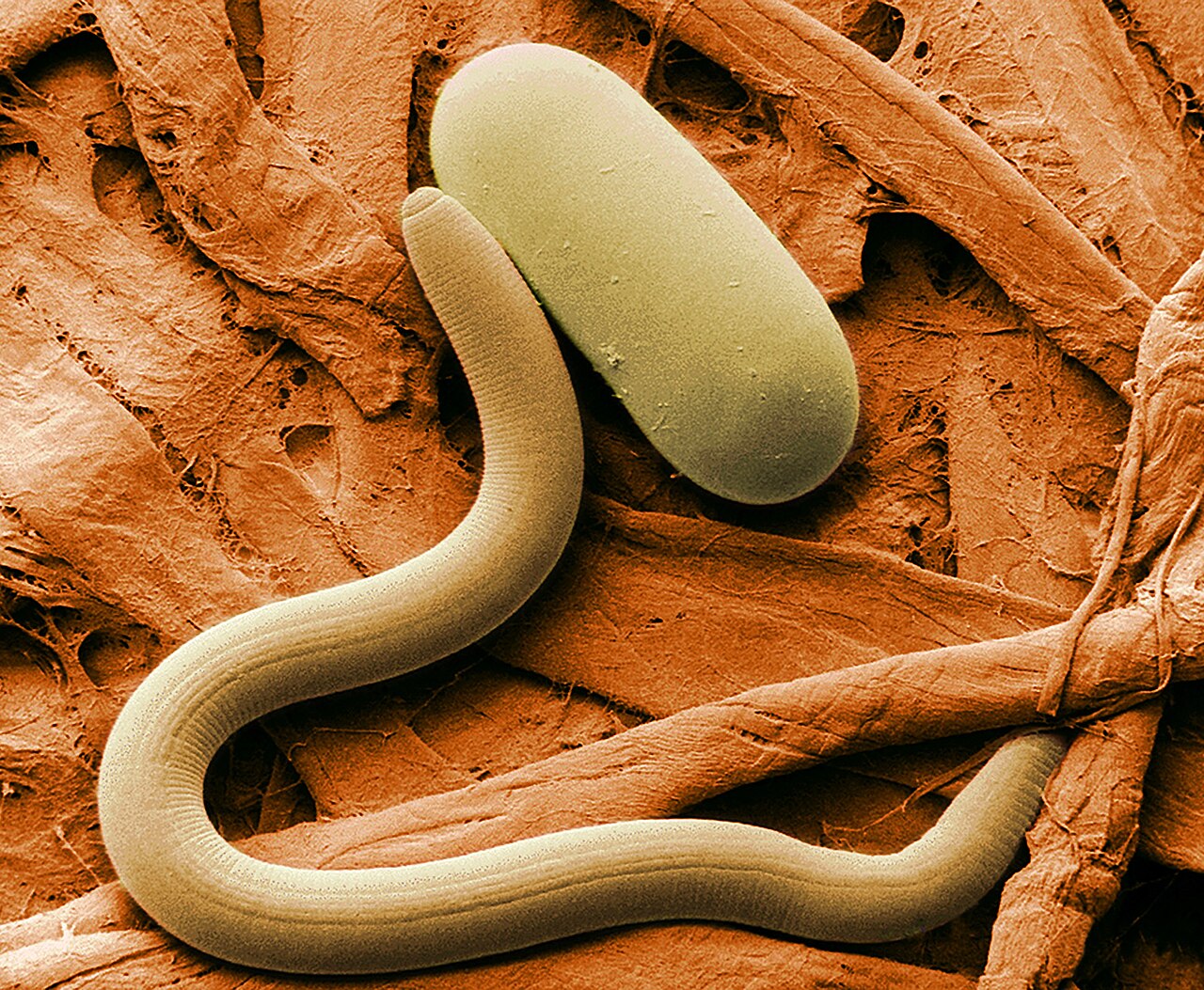
Soybean cyst nematode (SCN) is turning up in more Kansas and Nebraska fields than growers may expect, according to early results from a sampling programme by Hoegemeyer Hybrids agronomists. Of 33 fields tested, mostly in central and eastern Kansas and south-east Nebraska, 79% were positive and 42% showed moderate to high pressure, sales agronomist Teal Mills said during SCN Awareness Month in October.
One sample was so high that Mills checked with the University of Missouri, a partner in the programme, that it was not a typo. That field is in an area rotated aggressively and not a major soybean region. Mills said Iowa and Missouri growers have long been ahead on SCN and that Kansas and Nebraska have catching up to do: even in fringe areas, she said, growers should test.
Fall still works for sampling, even mid-harvest, for example on rainy days when combines are parked. Mills advised starting with hotspots: fields with sudden death syndrome, brown stem rot or other disease, since SCN is often the entry point for other soilborne pathogens, and fields with unexplained yield plateaus. Several fields that yielded 10 to 15 bushels an acre less than well-managed neighbours came back with moderate to high SCN.
Fall is also seed-ordering time. For 10 to 20 years most of the industry has relied on the PI 88788 source of resistance, and Mills compared its repeated use to herbicide resistance in weeds: the same source year after year selects nematodes that overcome it. Hoegemeyer, part of Vylor, offers full Peking lines targeting SCN races 1, 3 and 5 and some Hartwig lines, and Mills urged growers to ask suppliers whether a variety is full or partial Peking.
SCN populations build slowly and take time to bring down, she said, and seed treatments can add a layer of protection. The interview was carried by American Ag Network.
Photo: Agricultural Research Service (soybean cyst nematode and egg, electron micrograph) / Wikimedia Commons (Public domain)
Source: American Ag Network
Comments
(0)