
The Conservation Technology Information Center (CTIC) is launching Viridis View, a collaborative that will pool county-level estimates of how much US farmland is under cover crops and conservation tillage and show them in a free, interactive online viewer. The platform will be unveiled on 19 November at a workshop at the Sustainable Agriculture Summit in Fort Worth, Texas.
The problem it addresses is measurement. Interest in conservation outcomes is growing among farmers, food companies, policymakers and investors, but there is no shared, consistent way to benchmark where practices such as cover crops, reduced tillage, nutrient stewardship and edge-of-field measures are spreading and how their use is changing over time.
The estimates are built by processing remote sensing imagery. Five teams answered CTIC's call for county-level tracking of cover crops and conservation tillage: DTN, Iowa State University, Regrow, Terion AI and TerraDiagnostics. The University of Maryland and NASA Acres have offered their Confidential Clean Room technology to the collaborative. CTIC already publishes such estimates through its Operational Tillage Information System (OpTIS); Viridis View widens that to several providers.
Anchor funding comes from the Walton Family Foundation. The collaborative was launched at a workshop in Raleigh on 3 June attended by 50 experts from universities, conservation groups, technology start-ups and state and federal agencies, co-hosted with the Foundation for Food & Agriculture Research, The Nature Conservancy and North Carolina State University. Dean Hively of the US Geological Survey spoke there on how satellite data can support environmental goals and regulatory frameworks.
"Better conservation data leads to better conservation decisions," said Ryan Heiniger, CTIC's executive director. He said the platform should support smarter investment and stronger conservation programmes.
For farmers and advisers, the point is a common baseline: the viewer will be open to academia, conservation groups, farmers, government agencies, food companies and policymakers, so that the return on conservation spending can be judged and targeted with the same numbers.
The report is based on CTIC's announcement published by CropLife.
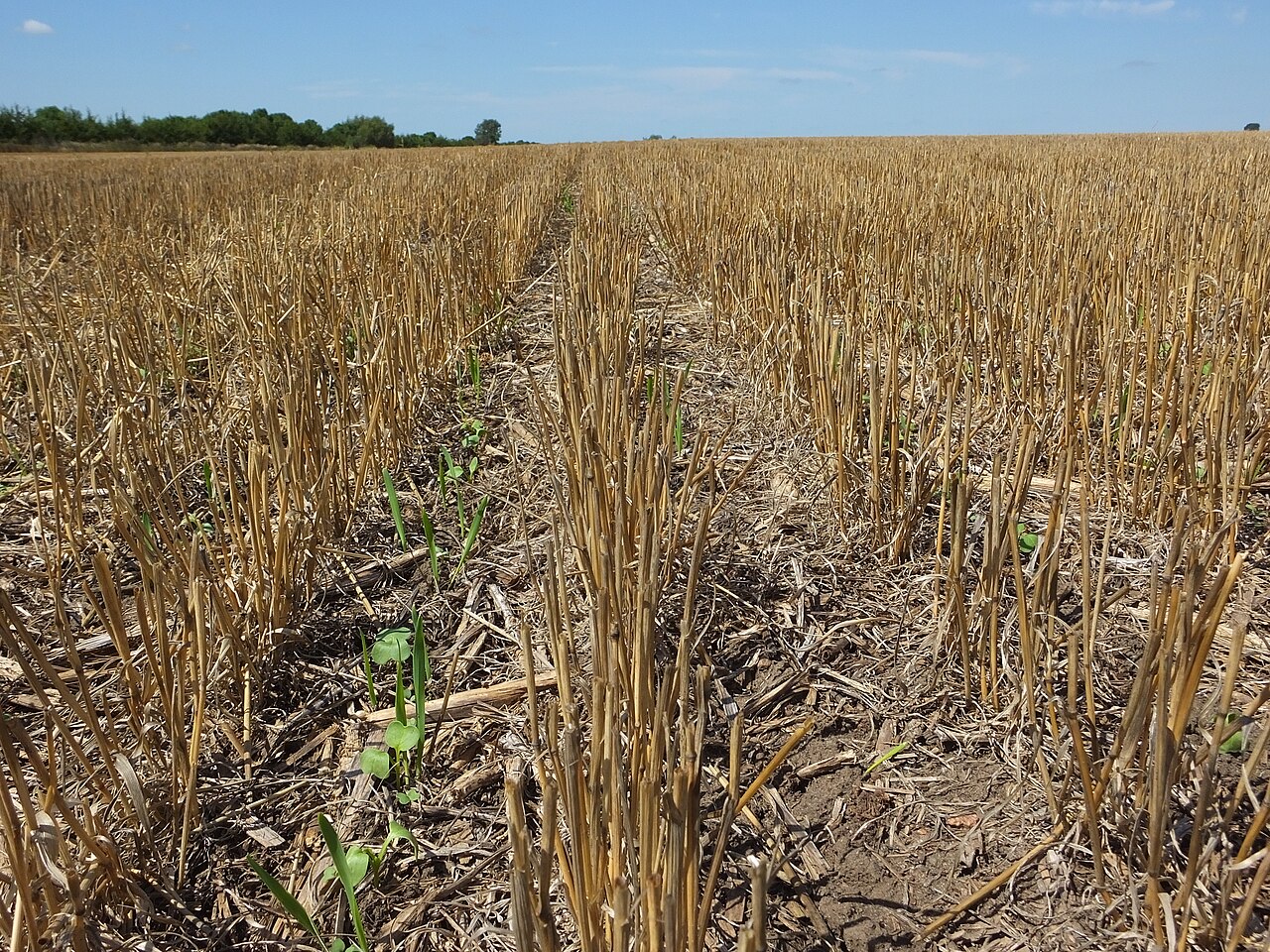
Photo: USDA NRCS South Dakota / Wikimedia Commons (CC BY-SA 2.0)
Source: CropLife

Comments
(0)