
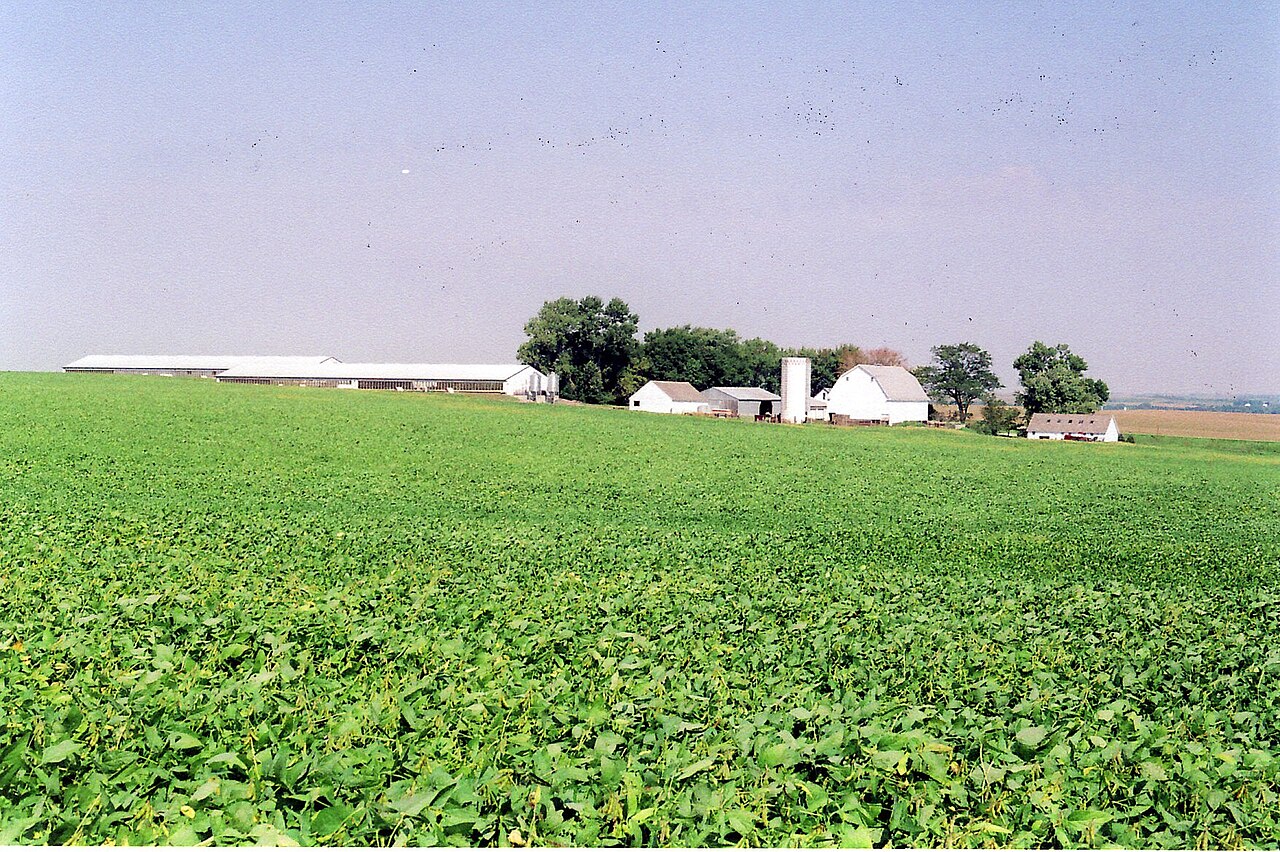
A hybrid that shone in a nearby test plot is worth a look, but one plot is only part of the answer, Mustang Seeds field agronomist Brian Ternus told CropLife. He set out how farmers can use plot data to choose seed more wisely.
Farm test plots are not research plots with many replications and checks, and results vary from field to field and farmer to farmer. "Any product can do great in one plot if it happens to be well adapted to that particular field or season," Ternus said. The value comes from looking at results across many plots: he picks corn and soybean seed that regularly ranks in the top quarter across several plots, because consistency is what handles the range of conditions in the Upper Midwest.
He also urges farmers to plant several hybrids or varieties to spread genetic risk. This season was dry in eastern South Dakota and south-west Minnesota, so seed that handled drought stress rose to the top; last year disease pressure was high, and seed with better disease tolerance or a stronger response to fungicide did best. One hybrid, 52G02, looks strong in this year's plots but was held back by southern rust the season before.
Before ordering seed from a trial, Ternus suggests asking about the plot's soil type, how the season played out there, whether fungicide was applied, the rotation and any extra traits. Then ask an agronomist or dealer whether the product is doing well across the area and how it performs in other conditions, and, for a product a year or two old, how it did in growers' own fields.
Plots also help with management after the choice is made. "If you know a hybrid is more susceptible to stalk rot, you can manage for it and harvest it a bit earlier," Ternus said.
Photo: inkknife_2000 / Wikimedia Commons (CC BY-SA 2.0)
Source: CropLife


Comments
(0)