
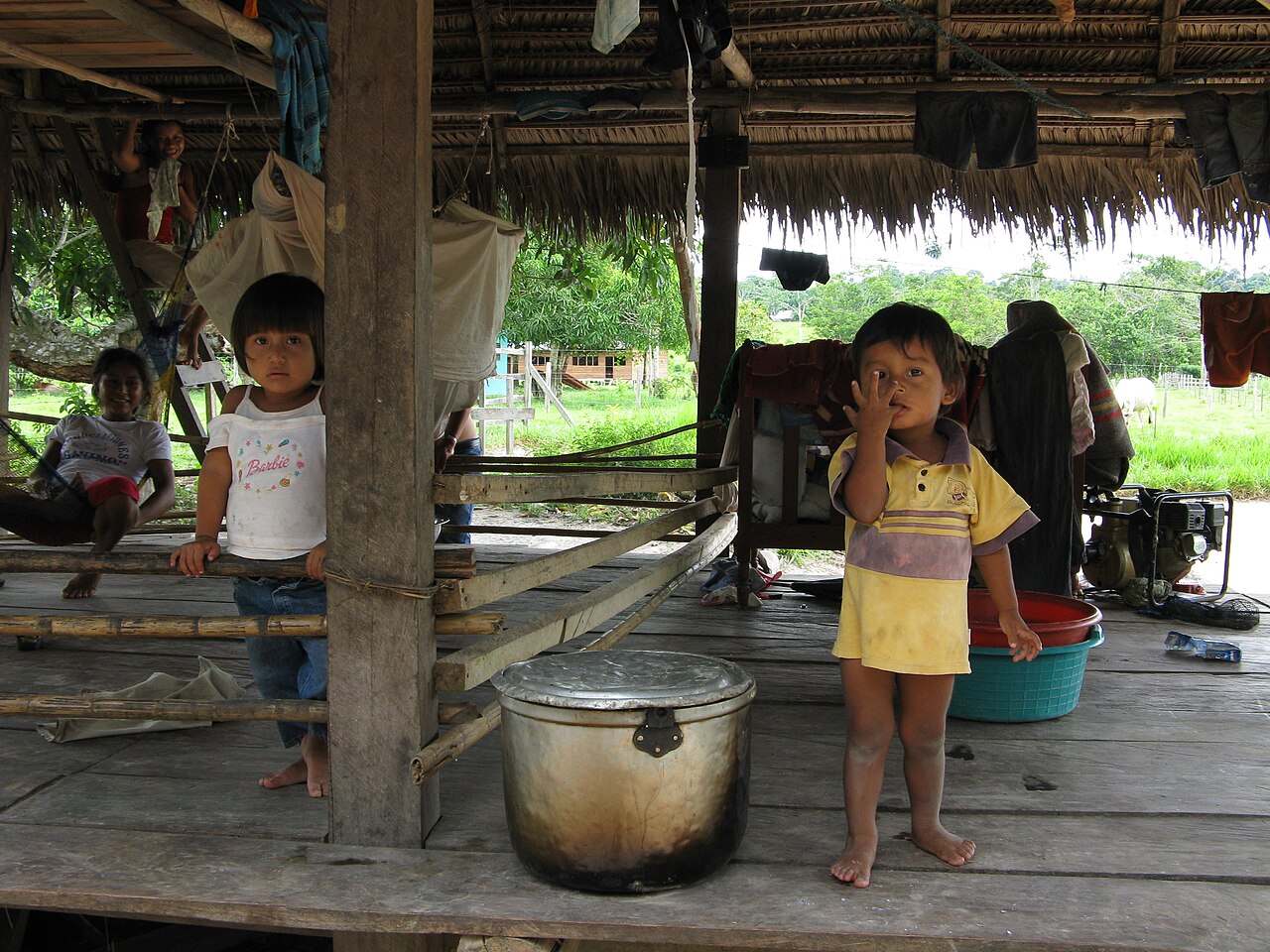
An unconditional basic income of nearly £2 a day was linked to better food security, living standards and forest conservation among Indigenous communities in the Peruvian Amazon, according to a two-year study by the University of Bath, Himanshu Nitnaware reports for Down To Earth.
The pilot, supported by climate charity Cool Earth, began in November 2023 with 211 participants from three Asháninka and Yanesha communities. They received cash payments of 1,032 soles without conditions, alongside support for community organisation. The researchers say financial security not tied to specific conservation tasks helped communities improve their lives and strengthen their ability to protect their forests.
Nearly 90% of participants adopted environmentally beneficial practices and 87% took part in conservation work, planting native trees such as cedar, mahogany and bamboo, burning less forest, restoring springs and digging organic waste pits. The share leaving to find temporary, often low-paid work fell from 43% to 18%. Around 30% of households expanded cultivated land, mostly by bringing abandoned plots back into use; some bought equipment such as motorised weed cutters, and some started growing coffee and cocoa.
Food security improved sharply. Households unable to afford healthy food fell from 73% to 26%, those skipping meals from 49% to 22%, and those going a whole day without eating from 24% to 15%. Diets moved beyond cassava to include more meat, fish, eggs and vegetables, and training supported community seed banks and ancestral crops.
Living standards rose too: 55% of households upgraded roofs, 51% improved piped water, the share without sanitation fell from 9% to 2%, gas stove use rose from 23% to 60%, and households reporting savings rose from 49% to 70%.
Photo: Klaus Schönitzer / Wikimedia Commons (CC BY-SA 3.0)
Source: Down To Earth

Comments
(0)