
Researchers have found microplastics both in the sediment of freshwater fish farming ponds in Bangladesh and in the fish raised in them. Particles turned up in the sediment of every one of 25 farms sampled in Trishal, Mymensingh, and in the fish as well. The researchers say it is the first combined study of pond sediment and farmed fish in the country, Dainik Bangla reported.
The study, 'Microplastics in freshwater aquaculture: evidence of sediment-fish transfer and associated ecological risk in Bangladesh', was published this month in the journal Environmental Pollution. It was led by Professor Badiuzzaman Khan of the Institute of Environmental Science and Disaster Management at Bangladesh Agricultural University. Samples were taken in winter from 25 farms in Trishal, an area of intensive and semi-intensive commercial fish farming.
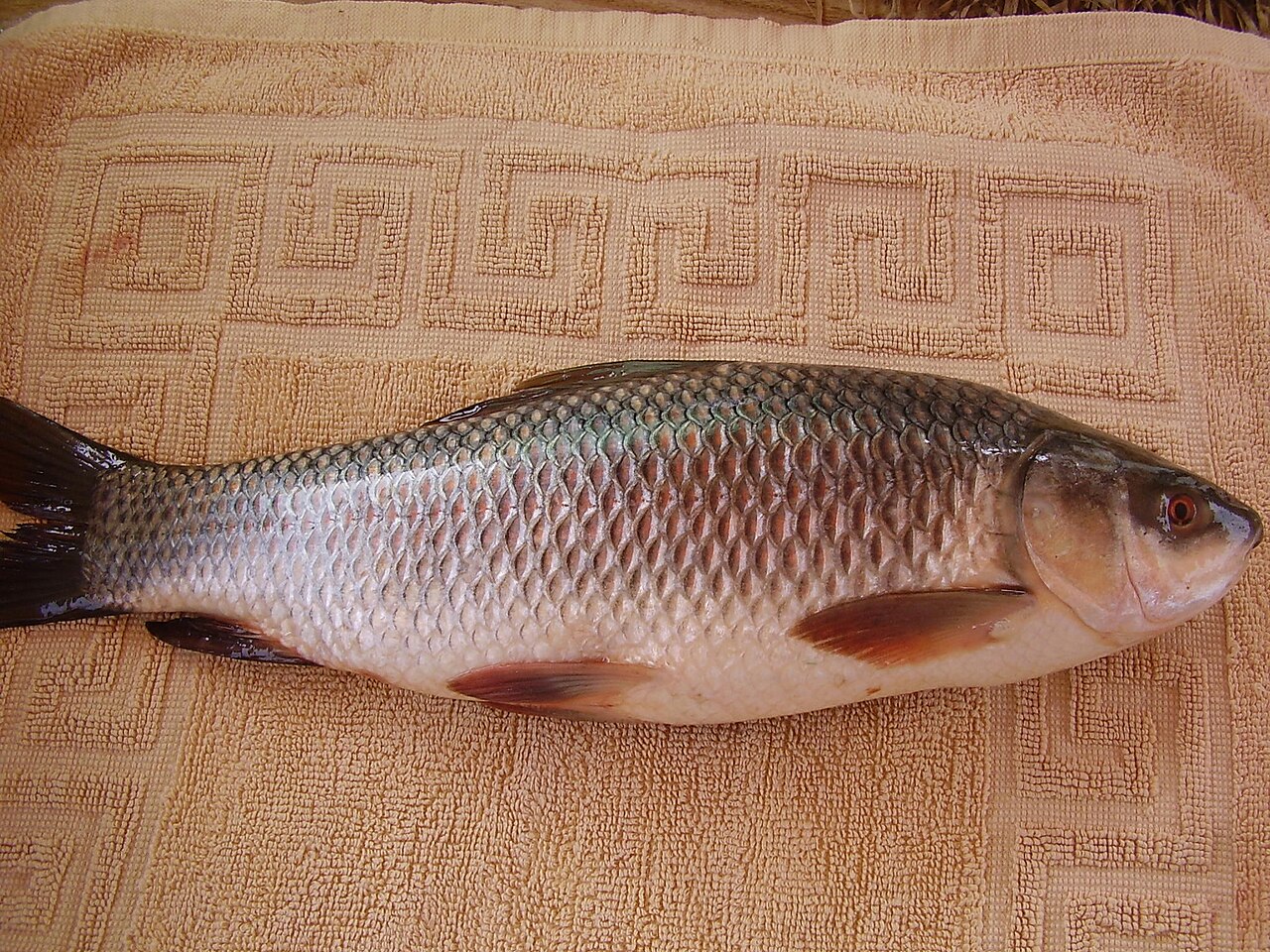
Pond-bottom sediment held an average of 11.04 microplastic particles per kilogram, with pollution load index values of 1 to 4.5, which the researchers class as moderate to high pollution at most sites. In 150 farmed fish of six species they found 90 particles, an average of 0.60 per fish. Sarpunti averaged 1.20 particles per fish and rohu and mrigal 0.68, while catla, common carp and pangas had fewer.
Bottom-dwelling fish accounted for 52 percent of the particles found, fish of the bottom and middle layers for 35 percent and surface feeders for 13 percent. The main polymers were polyethylene and polypropylene, used in plastic bags, wrappers, containers and rope. Professor Khan said fish are fed large amounts of feed; not all feed is bad, but some contains these particles, and floodwater also carries microplastics into ponds from elsewhere. The particles were found mainly in the fish's digestive tracts.
Mahbubur Rahman, an associate scientist and public health researcher at icddr,b, said microplastics are now everywhere and have been found in human bodies, so there is no guarantee they will not pass from fish to people. Professor Shimul Halder, chairman of the pharmaceutical technology department at Dhaka University, said polyethylene does not break down easily in cooking heat and the particles could harm liver and kidney function.
Professor Abdus Salam of Dhaka University's chemistry department said the finding in fish farming environments is a concern, but more research is needed to establish pollution levels, long-term effects on fish and risks to food safety. For fish farmers, the two sources the lead researcher named, feed and floodwater entering ponds, are where attention points.
Photo: Rohu, Khalid Mahmood / Wikimedia Commons (CC BY-SA 4.0)
Source: Dainik Bangla

Comments
(0)