
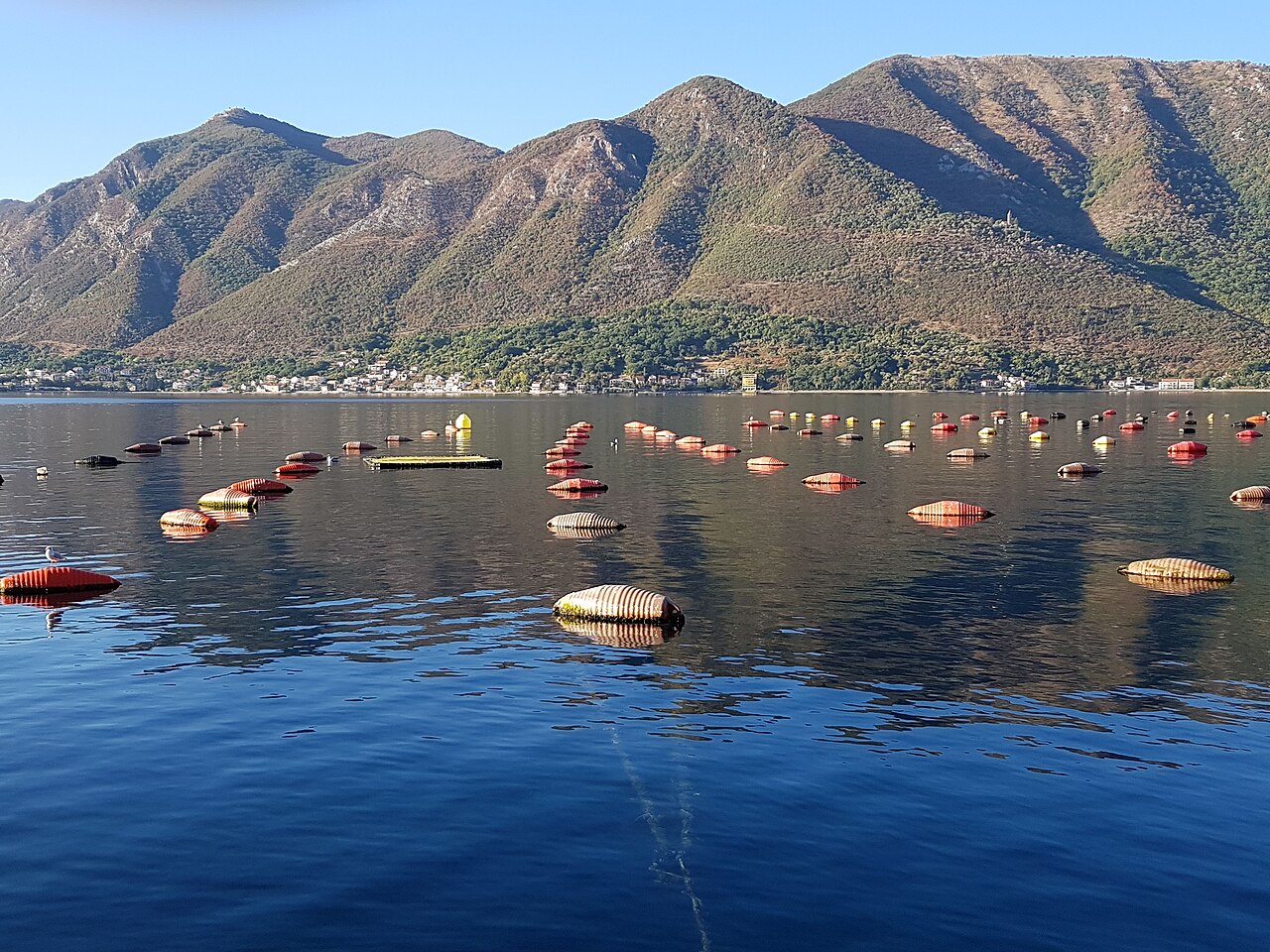
The Vizhinjam Regional Centre of the ICAR-Central Marine Fisheries Research Institute (CMFRI) has launched a scientifically designed open-sea mussel longline farming unit at Vizhinjam in Kerala, a step towards sustainable shellfish farming and stronger coastal livelihoods, ICAR reports.
The unit is part of a Pradhan Mantri Matsya Sampada Yojana (PMMSY) project, "Development of Pilot-Scale Open-Sea Eco-Mussel Farms in India: A Blue Growth Project". It uses 20 high-density polyethylene floats of 300 litres each, about three metres apart, holding two parallel mainlines that carry 120 vertical growing ropes of three metres, about 360 metres of cultivation length. At an estimated 8-12 kg of mussels per metre of rope, it could produce about 3 to 4 tonnes.
The demonstration farm will test the technical and economic feasibility of open-sea mussel farming in Kerala's coastal conditions and its potential to expand as a mariculture business. The project has also set up a multi-species shellfish hatchery at Vizhinjam that can produce millions of mussel, oyster and clam seed, tackling a major constraint: dependence on seasonally available wild seed.
The unit was launched by Dr Shashi Tharoor, Member of Parliament for Thiruvananthapuram, with CMFRI scientists, the Vizhinjam Mungal Thozhilali Kshema Sangom and local fishers. The project works with the association to combine traditional knowledge of local mussel harvesters with scientific farming methods.
CMFRI says growing domestic demand, consumer interest in mussel dishes and export opportunities give scientifically managed mussel farming potential to create jobs and diversify coastal incomes.
Photo: Etan J. Tal / Wikimedia Commons (CC BY-SA 4.0)
Source: ICAR
Comments
(0)