
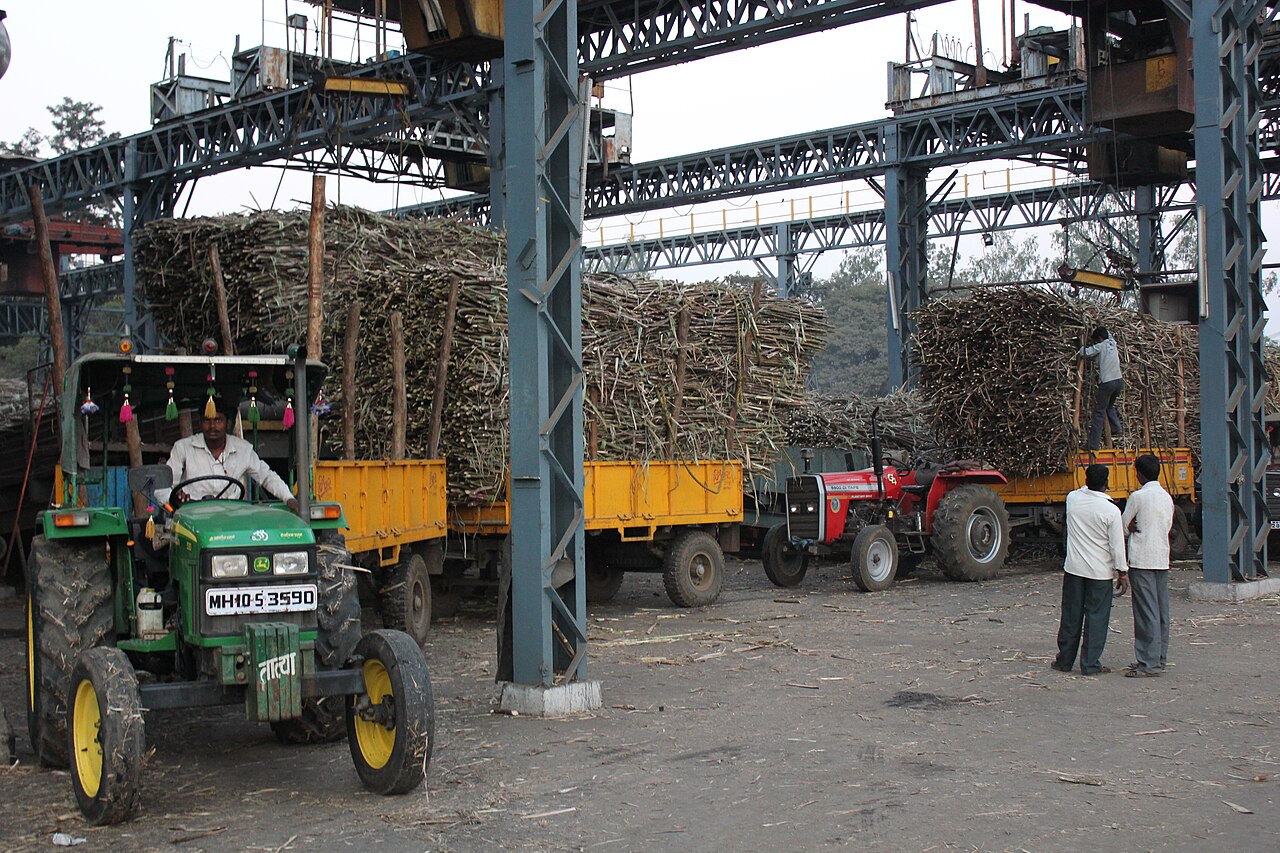
India's sugar market has swung from shortage fears to a steep fall in mill prices within weeks, AgroSpectrum reports. Ex-mill prices that had climbed to Rs 65-67 a kg have dropped to about Rs 43-44, while the average retail price, slower to move, is Rs 62.57 a kg, down 3.85% in a week.
The rally had real causes. Crisil points to two years of lower production, down 3% in sugar season (SS) 2024 and 18% in SS2025, and to sugar diverted to ethanol rising from about 0.8 million tonnes in SS2020 to more than 3 million tonnes in SS2026. The government cut its current-season output estimate from 343 lakh tonnes to about 306 lakh tonnes, festive demand was approaching, and world prices rose from $474 a tonne on 30 June to $552 on 20 August. Prices jumped 15.6% in a month, from Rs 48.18 to Rs 55.70 a kg between 20 July and 20 August.
The government responded with a 1 million tonne duty-free raw sugar import quota until 31 October, a 200-tonne stock limit on dealers from 1 September to 30 November, a 15-day cap on bulk consumers' holdings, physical stock checks and weekly disclosures. Maharashtra Sugar Commissioner Dr Sanjay Kolte said hoarding by some traders had compounded the rise and that there was no sign of an immediate supply constraint. Mills are also bringing the 2026-27 crush forward by 10-15 days; with special crushing under way in Tamil Nadu and Karnataka, October output is expected at about 10 lakh tonnes instead of the usual 4.
Now the pressure is on mills. Cane costs are rising, the minimum selling price has not changed for seven years, and the Indian Sugar & Bio-energy Manufacturers Association wants it raised to at least Rs 40.2 a kg and linked automatically to the cane price. Crisil expects ethanol and power co-generation to keep margins broadly stable in SS2026. Maharashtra has 15.43 lakh hectares under cane, with about 112 lakh tonnes of sugar expected, an estimate the state is reviewing.
The question now, AgroSpectrum writes, is whether mills can absorb lower realisations while continuing to meet cane payments to farmers and their operating costs.
Photo: Shakher59 / Wikimedia Commons (CC BY-SA 3.0)
Source: AgroSpectrum

Comments
(0)