
The United States has "many of the ingredients" for a strong aquaculture sector, yet it "remains relatively small and attracts limited investment", according to a new report from the aquaculture investment firm Hatch Blue.
The country still leads the world in agrifoodtech investment, but only a small share of that money reaches fish, shellfish and seaweed farming. The report argues that the gap is not simply a shortage of capital. One industry expert interviewed for it said the difficulty is presenting investors with opportunities that can deliver the required returns within an acceptable time while working through a complex regulatory environment.
Regulation is the barrier the report found cited most consistently. There is no clear federal framework for offshore aquaculture in the US, and efforts to name a lead federal agency remain in what the report calls "legislative gridlock". Projects instead face a state-by-state mix of permits, which stretches timelines and leaves uncertain whether a project will be approved at all, making the move from pilot to commercial scale harder.
The report also describes a cycle of lost confidence. Several high-profile US aquaculture operations have closed in recent years, damaging the sector's reputation; a policy expert told Hatch Blue this makes it harder to build public acceptance for new projects and for regulatory reform, which in turn keeps investment away.
On the kind of money needed, the report says software and other enabling technologies are often a good fit for venture capital, especially when they can serve a broad customer base or markets beyond aquaculture. Production itself relies on physical infrastructure and usually takes longer to reach commercial scale than venture returns allow. Risks also differ by system: an offshore finfish farm, a land-based recirculating aquaculture system (RAS), a shellfish operation and a seaweed farm each have their own costs, pathways and markets.
Interviewees suggested a more structured financing path: grants and catalytic capital for early, unproven concepts; venture or growth equity once a real path to scale appears; and debt when a business has enough operating history, revenue or assets. Capital-intensive projects may need loan guarantees, concessional debt and other risk-sharing to cross "the messy middle" between a successful demonstration and conventional project finance.
"The objective is not to subsidize every stage, but to use more patient or risk-tolerant capital where it can help a business reach a milestone that allows the next source of capital to participate," the report says.
The report was covered by Jennifer Marston for AgFunderNews.
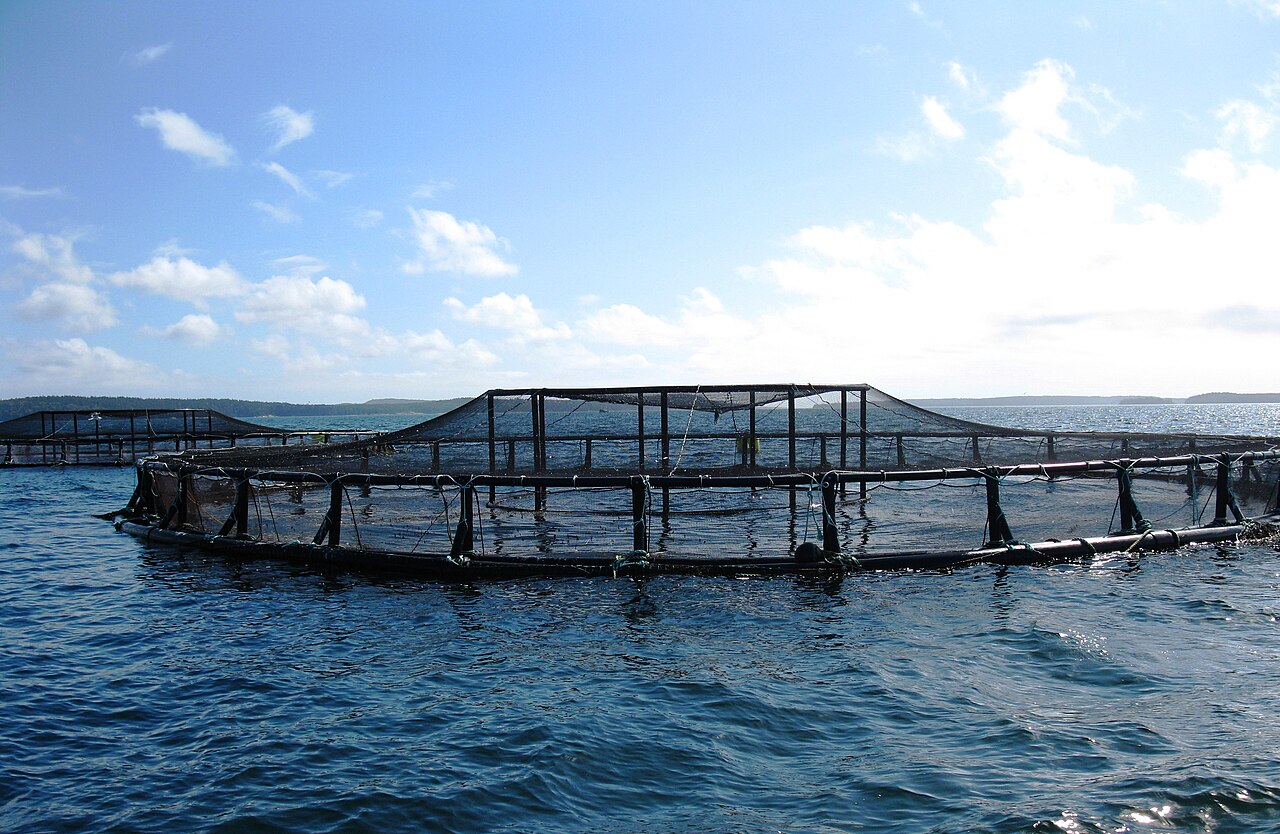
Photo: NOAA's National Ocean Service / Wikimedia Commons (public domain)
Source: AgFunderNews




Comments
(0)