
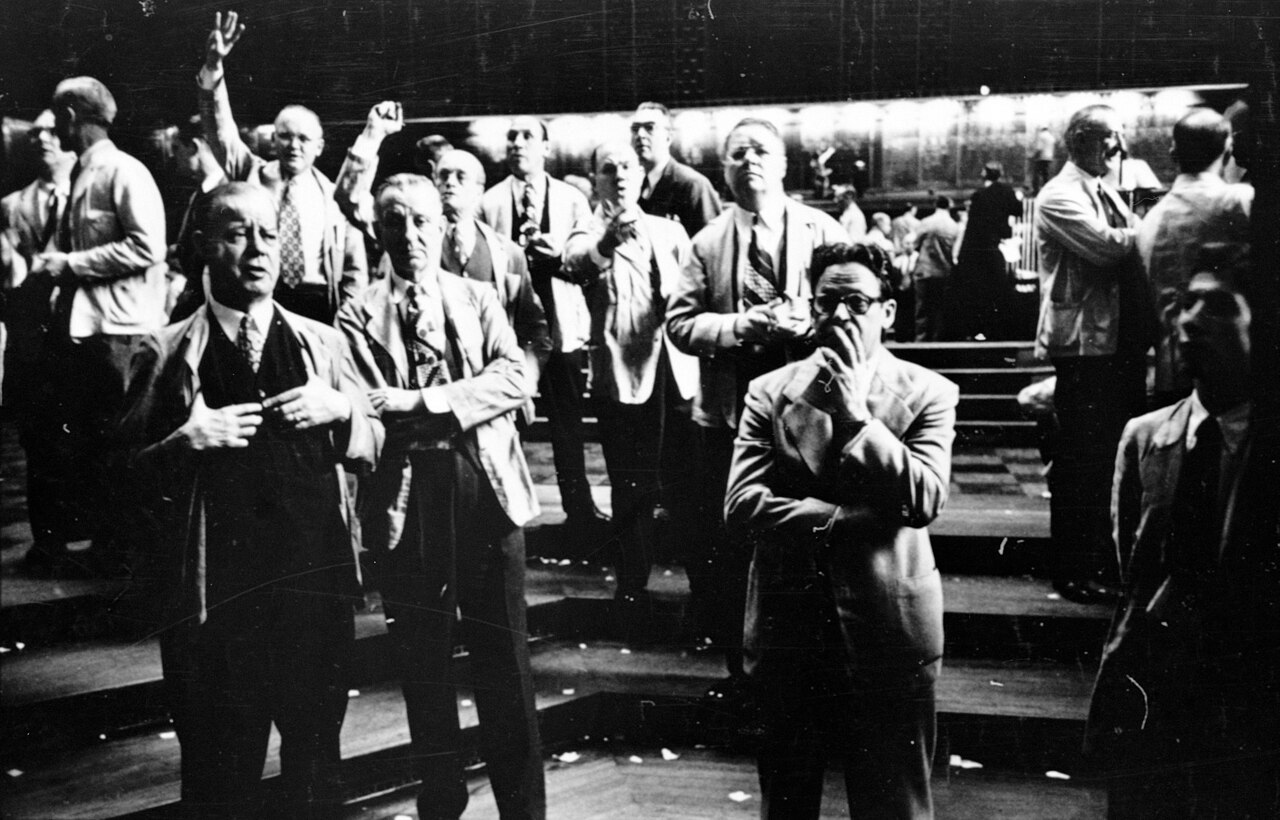
The US Commodity Futures Trading Commission (CFTC) is exploring financial innovations that could change how farm commodities are traded, from contracts that never expire to markets open around the clock, but grain and livestock traders at its agricultural conference questioned whether farmers would gain from them.
The AgCon conference in Overland Park, Kansas, co-hosted by Kansas State University, discussed perpetual contracts, 24/7 markets, event contracts and tokenised collateral. Its sole top-tier sponsor was not a farm company or a board of trade but the prediction-market platform Kalshi.
Gabe Afolayan, vice president of soybean merchandising at Cargill, said farmers need futures tied to specific delivery periods to manage planting, growing and marketing, and that convergence between futures and cash prices depends on physical delivery. "Price discovery and risk management, that's the ultimate utility," he said. "And if it's not broken, don't fix it." He also warned that seven-day trading could thin liquidity when commercial buyers and sellers are absent, though he suggested perpetual contracts might help farmers manage rolling costs such as fertiliser or diesel. Jake Chervinsky, chief executive of the Hyperliquid Policy Center, said it was not yet appropriate to bring agricultural perpetuals into the US, and Joe Barker of CHS Hedging said he had yet to see how event contracts would work for farm hedging.
Livestock markets drew attention too. Fred Seamon of CME Group said the exchange is reviewing its feeder cattle index, in which the number of cattle represented has been falling, and is considering a wider weight range; he said USDA has been exploring artificial intelligence and cameras to capture sale-barn data. Lance Zimmerman of Rabobank said a 10 percent move in cattle prices, about $100 a head before the pandemic, can now exceed $300, making margin calls a serious strain on feeders.
Agriculture Secretary Brooke Rollins announced a memorandum of understanding between USDA and the CFTC on sharing market information while protecting confidential data. Deputy Secretary Stephen Vaden said USDA is working with the Federal Trade Commission to gather evidence of possible anticompetitive practices by equipment makers and dealers, and that farmers can respond confidentially to a joint request for information. "If farmers can provide us with evidence, then we can take action," he said.
The conference was reported by Chris Clayton for DTN.
Photo: Stanley Kubrick / Wikimedia Commons (public domain)
Source: DTN / Progressive Farmer
Comments
(0)