
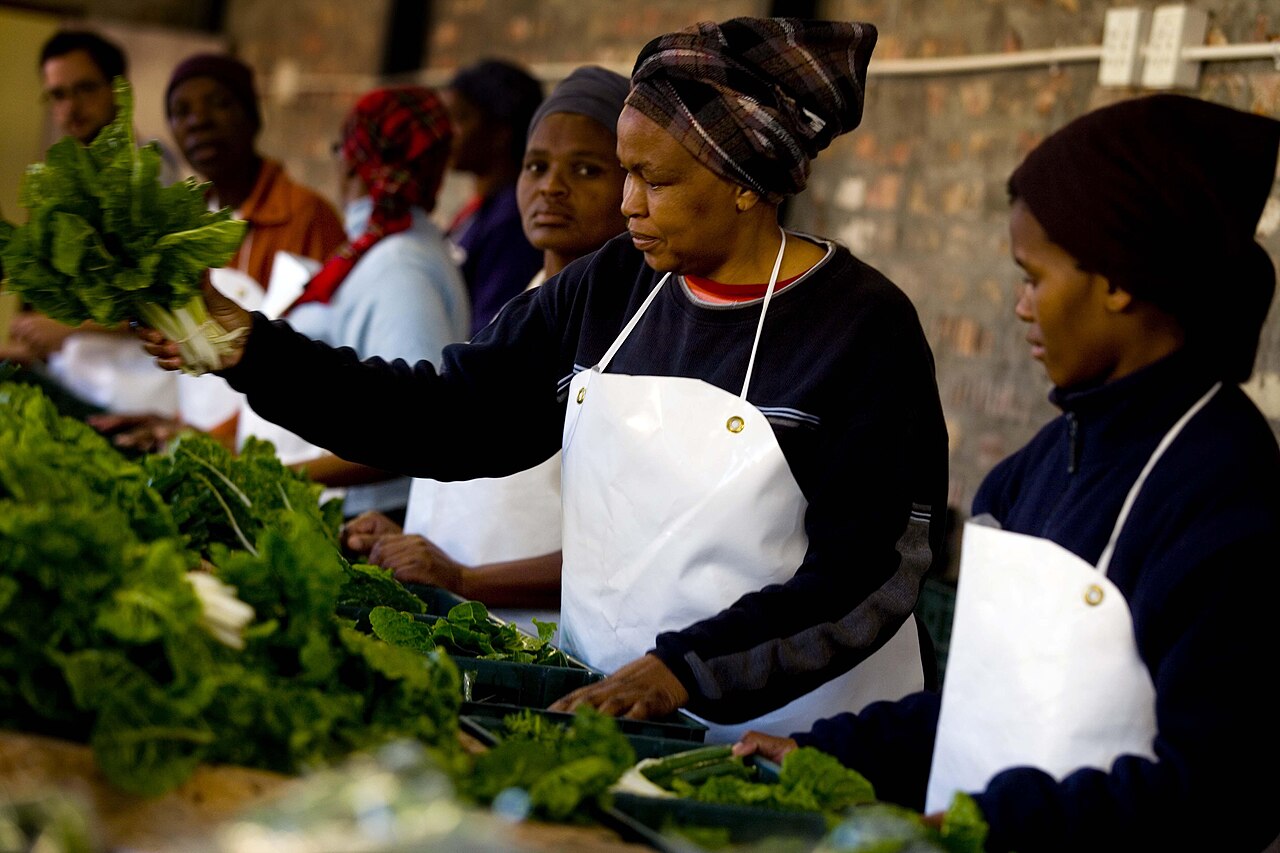
Allocating land is not enough to make emerging farmers succeed, speakers told the Agricultural Development Agency (Agda) annual stakeholder and member engagement conference in Boksburg, Gauteng, calling instead for support that combines infrastructure, timely finance, business development and access to markets.
Nomtandazo Moyo, South Africa's deputy director-general for land reform and rural development, said the government had recognised the limits of handing over land without the means to farm it. "Farmers were allocated land and left on their own to see what to do with the land," she said. Her department is now linking land allocation to infrastructure, commodity planning and value-chain development, starting with water, energy, fencing and land preparation alongside training and enterprise support, and she said help should also reach subsistence and smallholder farmers, not only those ready for commercial growth.
Dr Dan Mosia, a commercial farmer, said farmers also need timely funding, sound business organisation, production discipline and real partnerships. "Funding must be timely. It has to come on time," he said, warning that delays make farmers miss critical production windows. He urged farmers to move beyond primary production into packaging, exporting and markets, where more value can be captured.
Keneilwe Nailana-Mabona of the Public Investment Corporation (PIC) said the problem is less a lack of capital than a shortage of investable projects that fit the funding available. The PIC's direct investments target businesses that want to expand, possibly through equity partnerships, and look at management, governance, operations and how the money will be used. She said the corporation wants to see more black-owned agribusinesses in agro-processing, with clear exit strategies built into partnerships.
Kallie Schoeman, chairman of Schoeman Group Holdings, pointed to the cost of fertiliser, fuel, pesticides, herbicides, electricity, seed and finance, and said farmers carry production and market risks that others in the value chain do not share. Mooketsa Ramasodi, director-general of the Department of Agriculture, named market access, skills and the participation of women, young people and people with disabilities as priorities.
The discussion was facilitated by Agda chief executive Leona Archary.
The conference was reported by Patricia Tembo for Food for Mzansi.
Photo: Kate Holt/AusAID / Wikimedia Commons (CC BY 2.0)
Source: Food for Mzansi


Comments
(0)