
The UN Environment Programme (UNEP) has urged rapid cuts in greenhouse gas emissions over the next few years to limit global warming. According to its report, emissions must fall 18 percent by 2030 and 45 percent by 2035; otherwise temperatures will keep rising, along with the risk of severe heatwaves and other climate disasters.
The report says keeping warming within 1.5C of pre-industrial levels is now extremely difficult. Cutting emissions at those rates would still give a good chance of holding the rise to 1.7C, though extreme weather such as heatwaves could become more frequent even then.
Its projections show that even if countries fully implement their updated climate pledges, temperatures could rise 2.6C by the end of the century, and 2.8C if current policies stay as they are. Global emissions in 2025 were close to the previous year's level, but one year of data does not show that growth has stopped; geopolitical instability and more fossil fuel use could push them up again.
UNEP executive director Inger Andersen said that because action was delayed, the chance of keeping warming to 1.5C has effectively closed, but the goal should not be abandoned and efforts must continue to reduce how far and how long warming overshoots it.
Bill Hare, chief executive of the research group Climate Analytics, said every country has a duty to cut emissions, but major fossil fuel producers such as the United States and Saudi Arabia have a particular role. The Guardian reported that a wide gap remains between countries' long-term pledges and what they actually do.
Every tenth of a degree of warming adds to the risk of heatwaves, salinity and erratic rain for countries such as Bangladesh, with a direct effect on crops in the field.
The report is from Protidiner Sangbad's international desk, citing the Guardian.
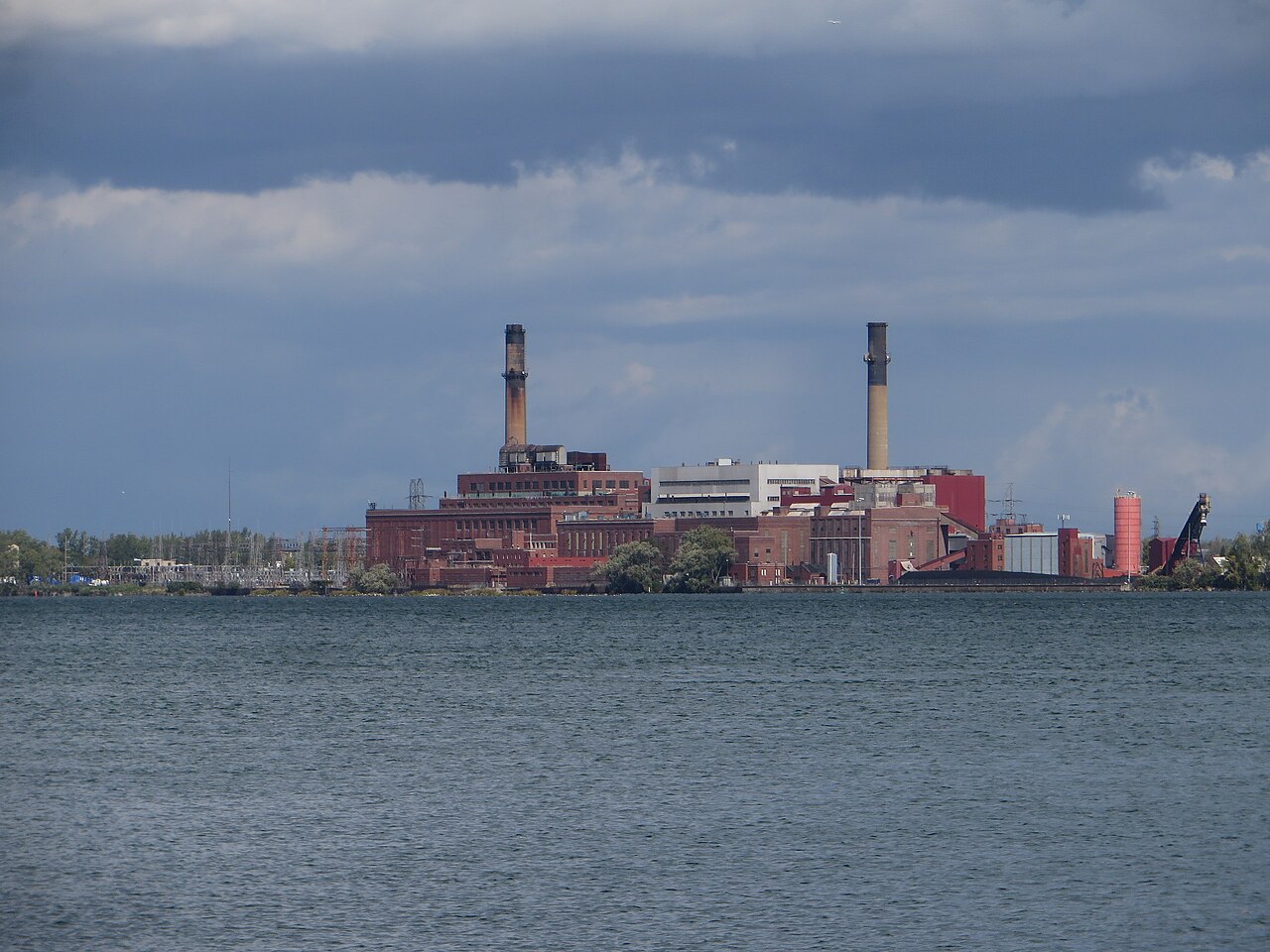
Photo: A power station in the United States (representative), Ken Lund / Wikimedia Commons (CC BY-SA 2.0)
Source: Protidiner Sangbad


Comments
(0)