
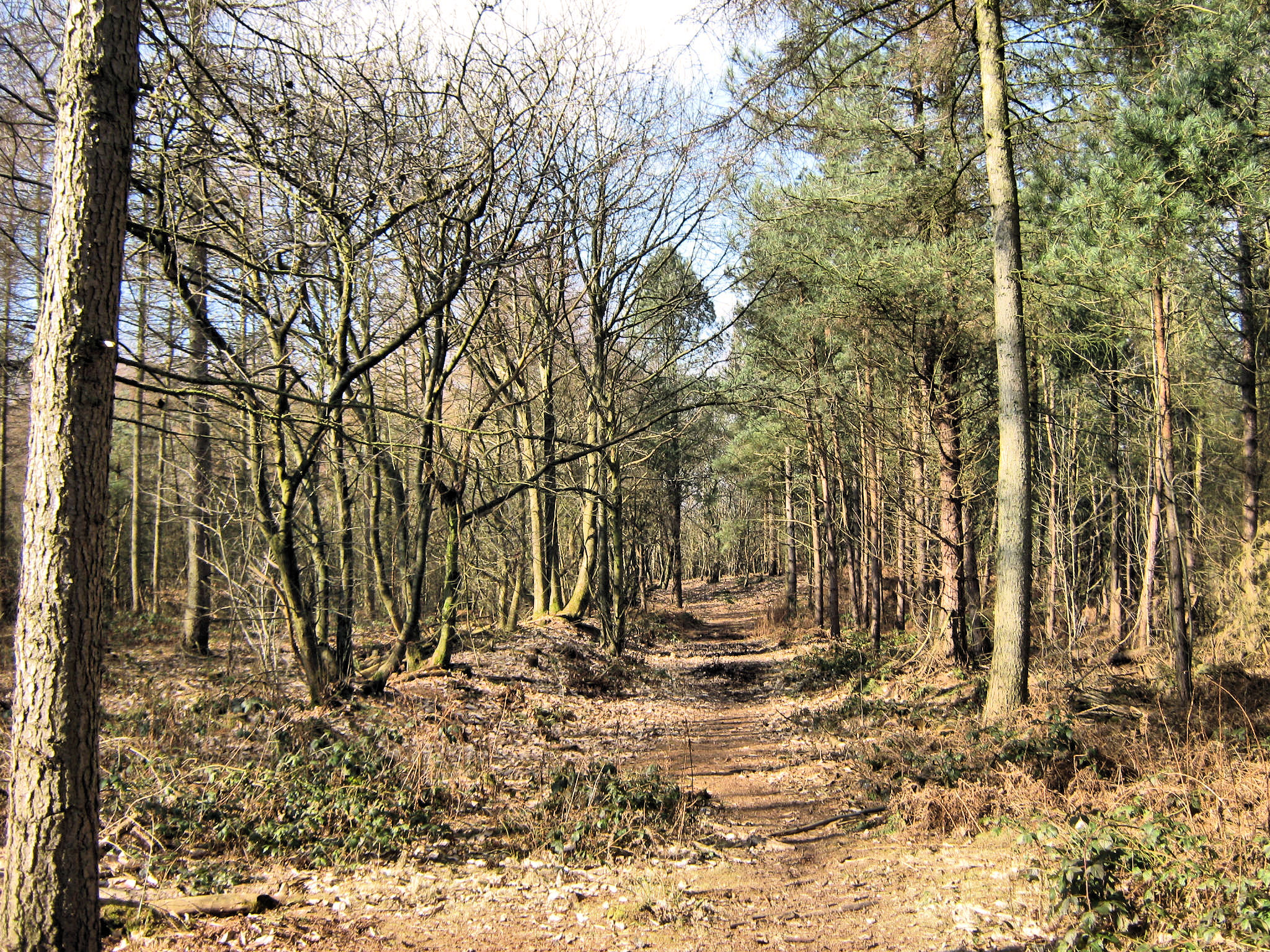
Planting a wider mix of tree species is often presented as the way to make forests resilient to climate change, pests and disease. A new study led by the James Hutton Institute in Scotland finds that which species go into the mix matters far more than how many.
Working with the Royal Society for the Protection of Birds (RSPB), the Royal Botanic Garden Edinburgh and an independent consultant, the researchers looked at four common UK forest trees: ash, oak, Scots pine and Sitka spruce. Using earlier Hutton datasets, they listed the species associated with each tree and checked whether those species could also use other trees for habitat or food.
They then modelled two hypothetical woodlands: a best case, in which each added tree species supported the largest number of additional species, and a worst case, in which each added tree supported very few. In the best-case mixtures, between 77% and 94% of the species that do not depend on a single tree could still be supported if a host tree declined. In the worst-case mixtures, that fell to between 1% and 11%.
"We generally assume a diversity of tree species will provide resilience for biodiversity," said Dr Ruth Mitchell, the woodland ecologist who led the study. "However, this study shows that this isn't necessarily true."
Paul Bellamy, senior conservation scientist at the RSPB, said woodland managers deciding how to replace trees lost to disease, drought or storms need to understand how their choice affects the wildlife the woodland supports. The study was published in the Quarterly Journal of Forestry as part of DiversiTree, a project to increase woodland resilience through greater tree diversity.
For foresters and landowners replanting after ash dieback or storm damage, the finding is practical: the identity of the replacement trees, not only their number, decides how much of the woodland's life survives the next loss.
Photo: Jonathan Kington / Wikimedia Commons (CC BY-SA 2.0)
Source: Global Agriculture


Comments
(0)