
This year's El Niño, which some agencies already describe as the strongest on record, is hurting livestock and crops across several continents, according to a Euronews round-up of its effects. The event is expected to peak by the end of the year.
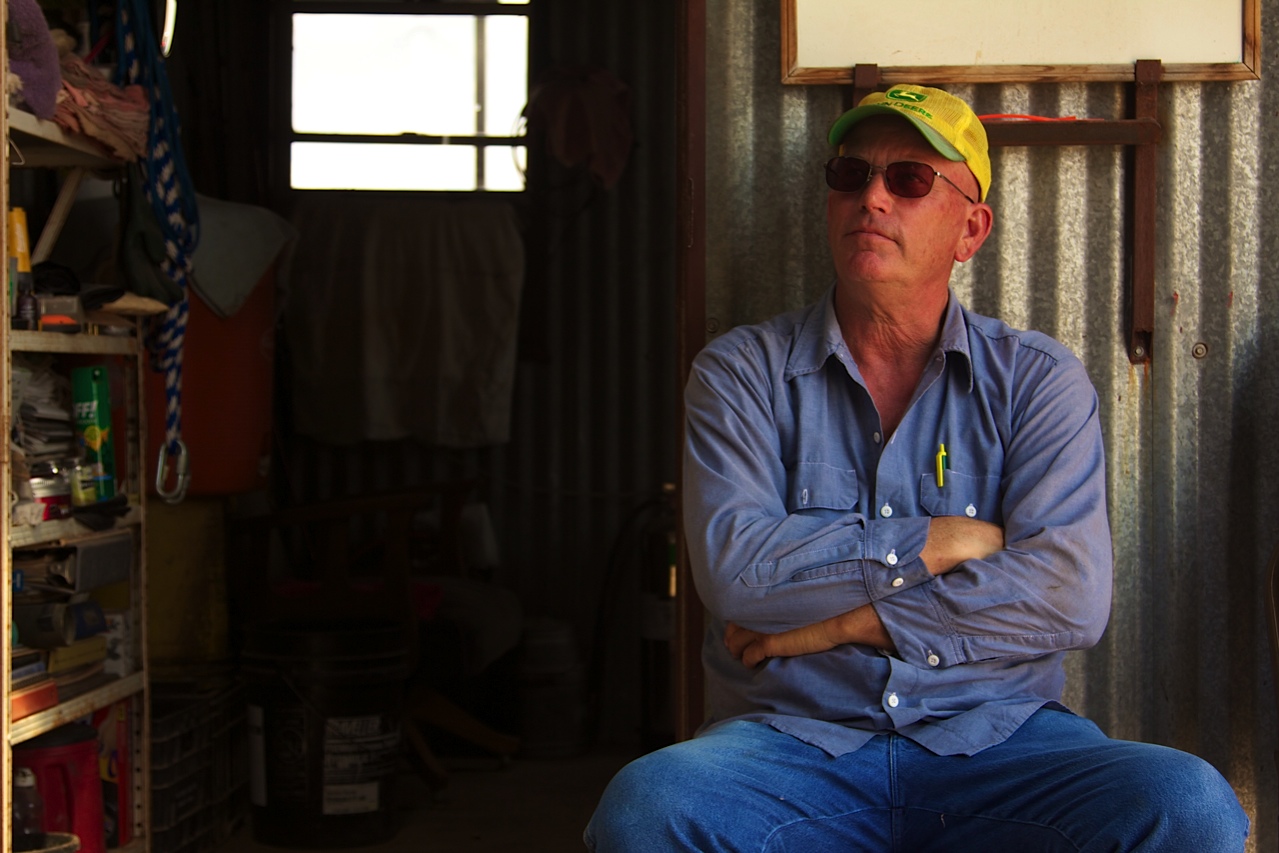
In Central America's Dry Corridor, which runs from Mexico to Panama, drought is taking a toll on herds. In El Salvador, where August temperatures were 4.3°C above normal, rancher Antonio Aguilar, 54, showed a cow reduced to skin and bones at the livestock market in Sensuntepeque. "Imagine how thin this little animal is! Why? Because of a lack of grass," he said.
Severe drought linked to El Niño covers more than half of Sudan, where conflict is already fuelling famine, causing local crop failures and cutting households' food and income. Sri Lanka's central bank has warned that torrential rain forecast through December and prolonged drought early next year could undermine the country's fragile economic recovery. The IHE Delft Institute for Water Education in the Netherlands says disruption to staple imports such as maize and beans could put Europe's food security at risk too.
Elsewhere the danger is water. The Paraná River in north-east Argentina rose to 4.7 metres on 15 October, forcing evacuations, floods drove thousands from their homes in Paraguay and Uruguay, and the Iguazu River ran at six times its normal flow, closing tourist trails at the falls. David Obura, chair of the UN's expert nature panel, said the event adds "a terrifying level of additional risk" for coral reefs, and fire risk is rising across the tropics.
El Niño occurs when the eastern Pacific warms unusually, roughly every two to seven years, and typically adds about 0.2°C to global average temperatures on top of human-caused warming. The UK Met Office calls this one unprecedented and Japan's weather agency the strongest ever observed; NOAA says it will likely surpass 1982, the strongest in its records. UN development chief Alexander De Croo warned that El Niño, high energy costs and interest rates could push millions into poverty. The report is by Angela Symons with AFP and AP.
Photo: Al Jazeera English / Wikimedia Commons (CC BY-SA 2.0)
Source: Euronews

Comments
(0)