
The 500 years since Christopher Columbus sailed west have changed the distribution of life on Earth faster and more irreversibly than any earlier period, ecologist R.J. Ranjit Daniels of the Chennai-based Care Earth Trust argues in a commentary for Mongabay India. The views are the writer's own.
Daniels divides Earth's history into five biogeographical periods, from the origin of life to about 400 million years ago, through the age of tetrapods and continental drift, the period after the dinosaurs when hominids appeared, the stretch from the dawn of agriculture about 12,000 years ago to the 16th century, and the post-Columbus era. The last, he writes, is the shortest and the most damaging.
Humans moved seeds, animals and pathogens long before Columbus: the dingo reached Australia well before Captain James Cook, and Polynesians carried red junglefowl and Asian plants to Hawaii. Maritime trade in spices, ivory, live animals and farm commodities amplified the exchange. Since 1492, Daniels argues, thousands of introduced plants and animals have become invasive, imported diseases such as smallpox, cholera and plague devastated indigenous peoples, and introduced plant pathogens ruined harvests and caused famine.
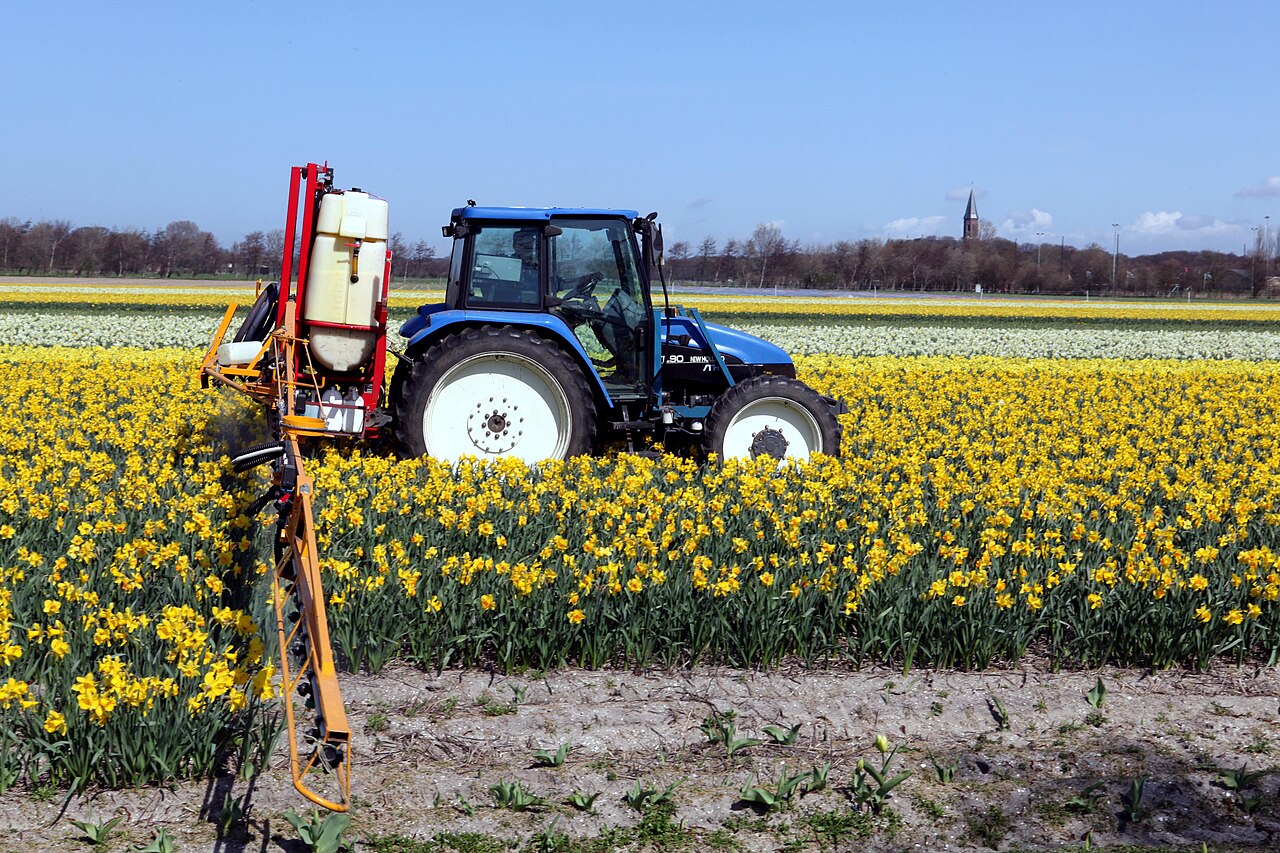
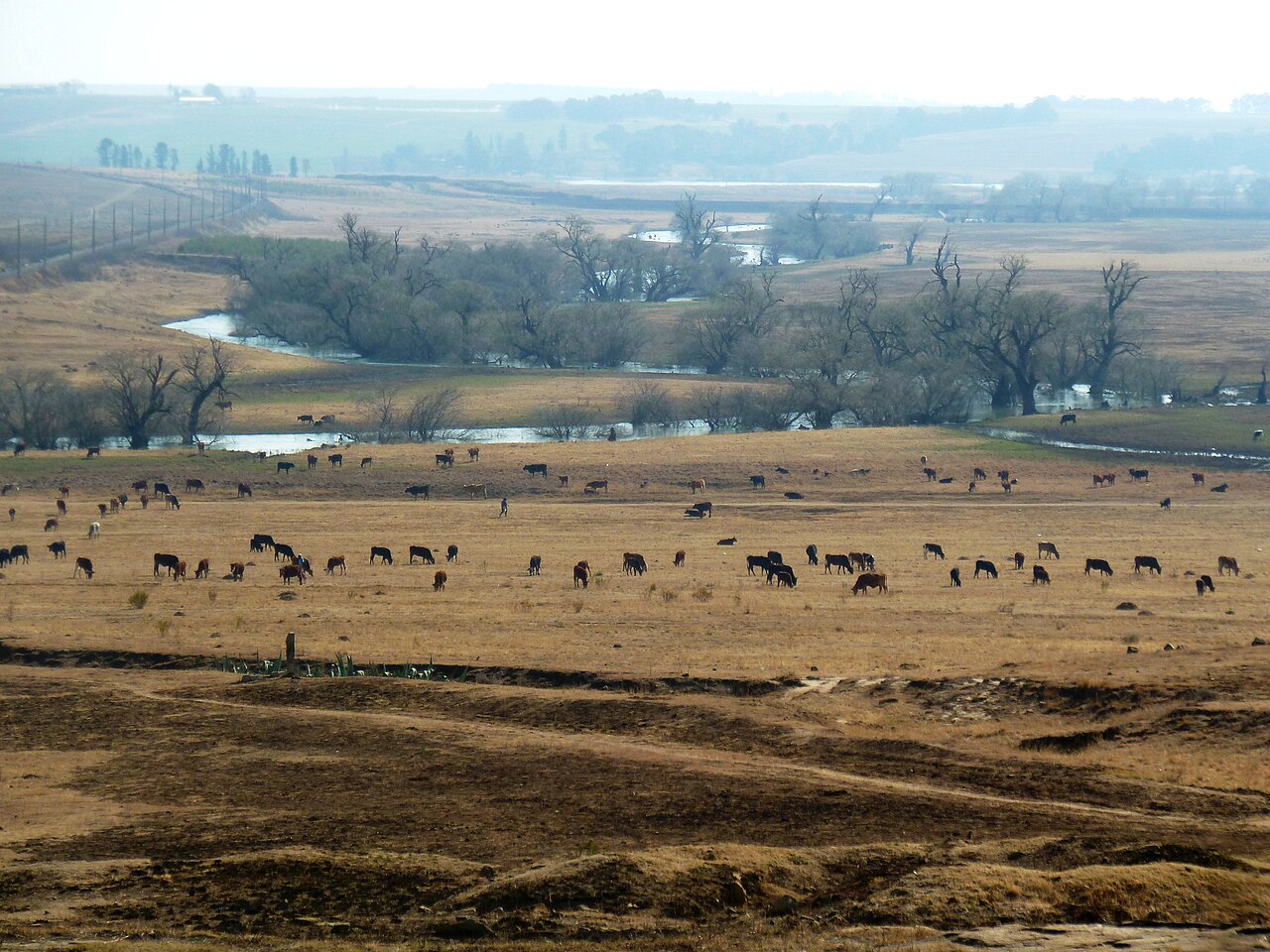
He singles out human-centred land use as a driver of what landscape ecologists call shifting mosaics: multiple cropping and rotation, cyclical logging, monocultures of introduced plants, ranching, irrigation networks and aquaculture. Harmless alone, he writes, their combined effect with towns, industry and infrastructure has caused biodiversity loss and novel, human-dominated ecosystems where generalists and feral animals thrive and human-animal conflict grows.
Daniels criticises global conferences for focusing on financial support rather than regional and national models of sustainable land use, and says restoring the pre-Columbus biosphere would take far more than conventions.
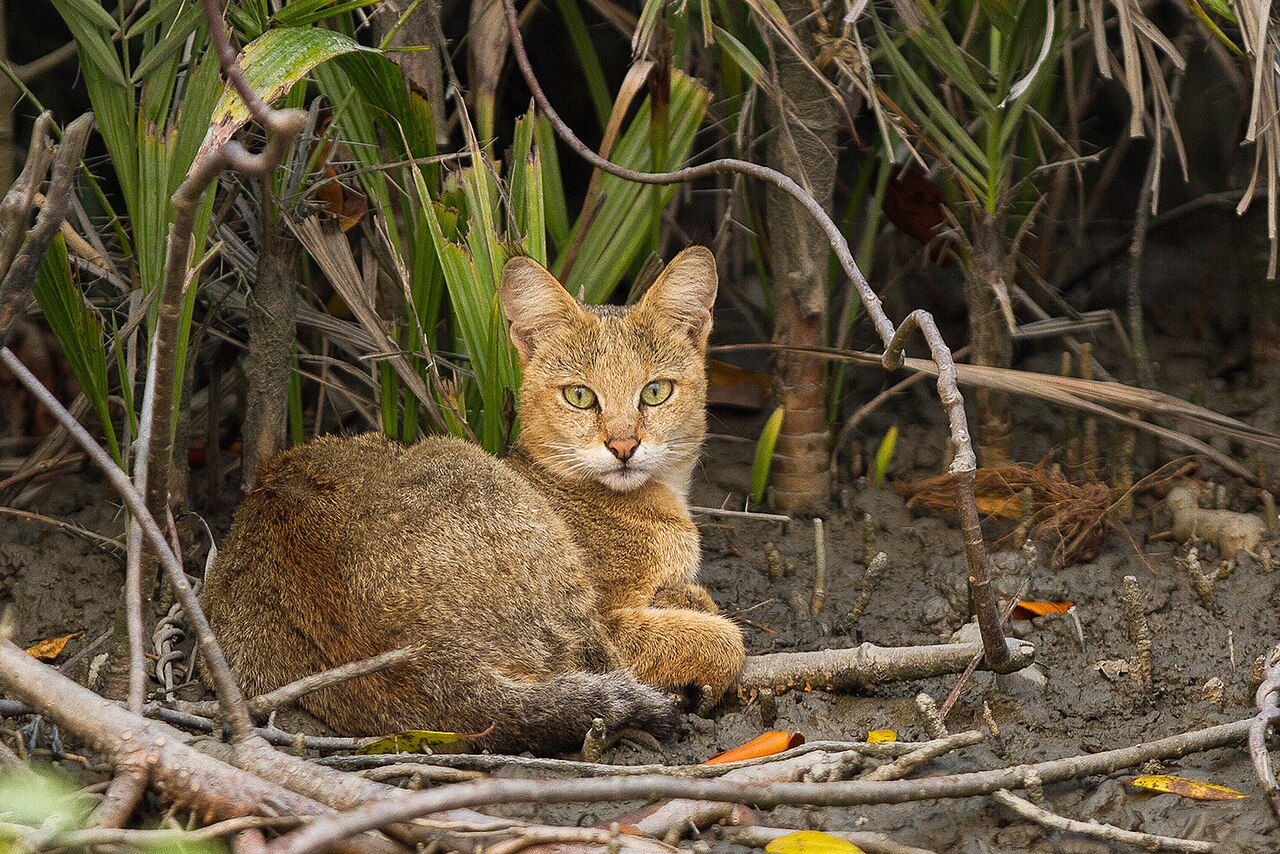
Photo: Soumyajit Nandy / Wikimedia Commons (CC BY-SA 4.0)
Source: Mongabay India

Comments
(0)