
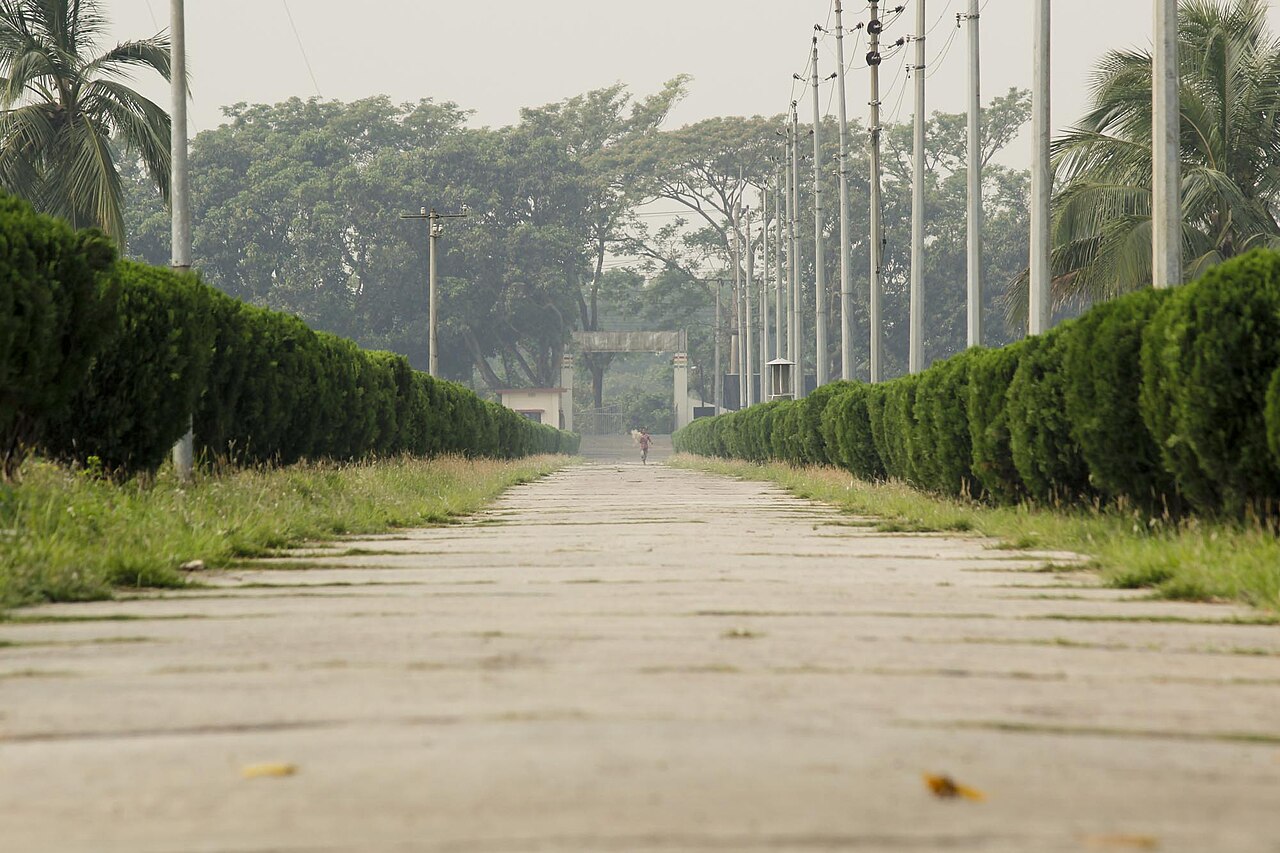
The Bangladesh Rice Research Institute (BRRI) has entered its 57th year. Founded on 1 October 1970 as the East Pakistan Rice Research Institute, it took its present name under a 1973 act. In a column in Amar Desh marking the anniversary, agriculturist and farm journalist Dr M Abdul Momin sets out its achievements and constraints.
Citing BRRI and Department of Agricultural Extension figures, he writes that rice output rose from 9.77 million tonnes in 1971-72 to about 40.63 million tonnes in 2024-25, while the population roughly tripled and farmland shrank. Farmers growing BRRI varieties have raised yields by 40 per cent and incomes by more than 85 per cent. BRRI has released 127 varieties, 117 inbred and 10 hybrid, and 23 of them are grown in 14 countries.
Among recent releases, BRRI dhan114 resists blast, BRRI dhan115 is rich in vitamin E and antioxidants, and BRRI dhan116 averages 8.6 tonnes a hectare. Salt-tolerant BRRI dhan117 can yield 8.6 tonnes a hectare on the coast and withstands salinity of 10 dS/m through its whole life cycle. For the haor wetlands there is the cold-tolerant, early-maturing BRRI dhan118, which the writer says matters more after early floods damaged some 1.4-1.5 million tonnes of boro this year.
On technology, the breeding cycle has been cut by three and a half to four years and about 4,000 genotypes have been fully genome-fingerprinted. BRRI's granular urea applicator saves 30-35 per cent of fertiliser, raises yields by 5-12 per cent and cuts greenhouse gas emissions by up to 7 per cent. AI-based monitoring of pests and diseases is now running in the field, and sensors and automated alternate wetting and drying are used in irrigation. BRRI has developed and spread 54 farm machines, including a power seed sower costing about Tk 80,000 that is made in local factories.
In 2024-25 BRRI kept nucleus seed of 130 varieties and produced 232 tonnes of breeder seed, supplying about 200 tonnes a year to 1,125 SeedNet partners. Over five years it trained 51,420 people, 42,204 of them farmers. Five studies put the return on rice research at Tk 26 to 54 for every taka invested.
Speed breeding, genomic prediction, C4 rice and genome editing for salt tolerance and blast resistance are among the research priorities ahead. The writer also points to constraints: 271 scientists in post against 318 approved positions, promotion problems and thin research budgets, and argues that investing more in research and staff is the far-sighted choice. The views are the writer's own.
Photo: Ru.nirjhor19 / Wikimedia Commons (CC BY-SA 4.0)
Source: Amar Desh

Comments
(0)