
 Crops
BRRI dhan103 yields 6.57 tonnes a hectare in first Khagrachhari farm trial
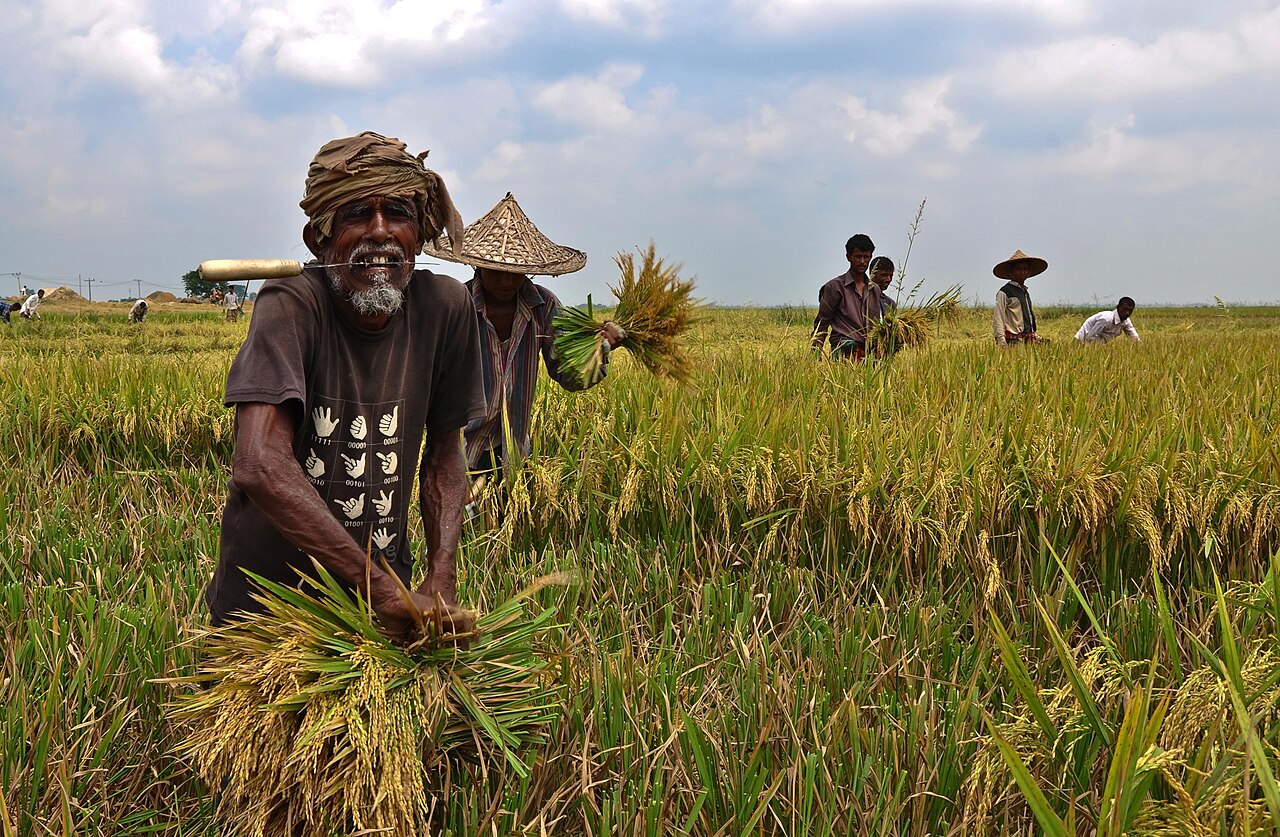
The first farmer-level demonstration of the high-yielding rice in the hill district gave a promising aman crop: tall plants that resist lodging, with less disease.
CropsThe first farmer-level demonstration of the high-yielding rice in the hill district gave a promising aman crop: tall plants that resist lodging, with less disease.
 Opinion
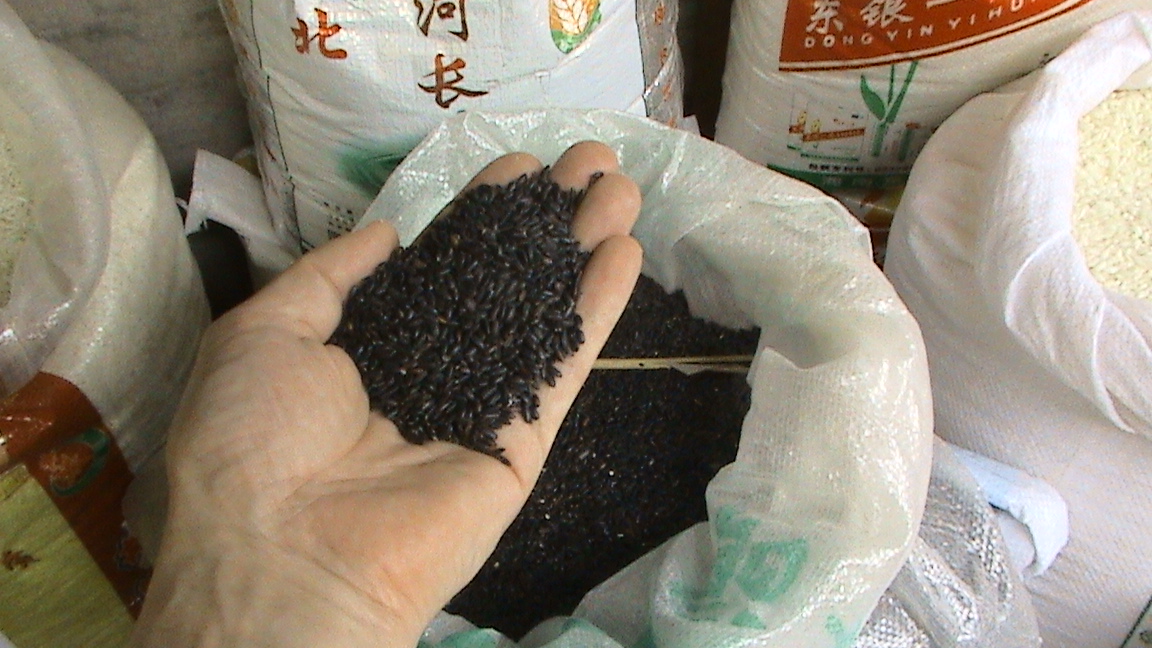
Bangladesh's first high-yielding black rice, BRRI dhan115, averages 7.4 tonnes a hectare; with good seed, training, quality control and market links it can earn farmers money and improve diets, argues BRRI communications officer Dr M Abdul Momin.
 Opinion
In a column for Amar Desh, agriculturist and farm journalist Dr M Abdul Momin credits BRRI's 127 rice varieties, salt-tolerant BRRI dhan117, AI-based pest and disease monitoring and 54 farm machines with a more than fourfold rise in rice output.
 Crops
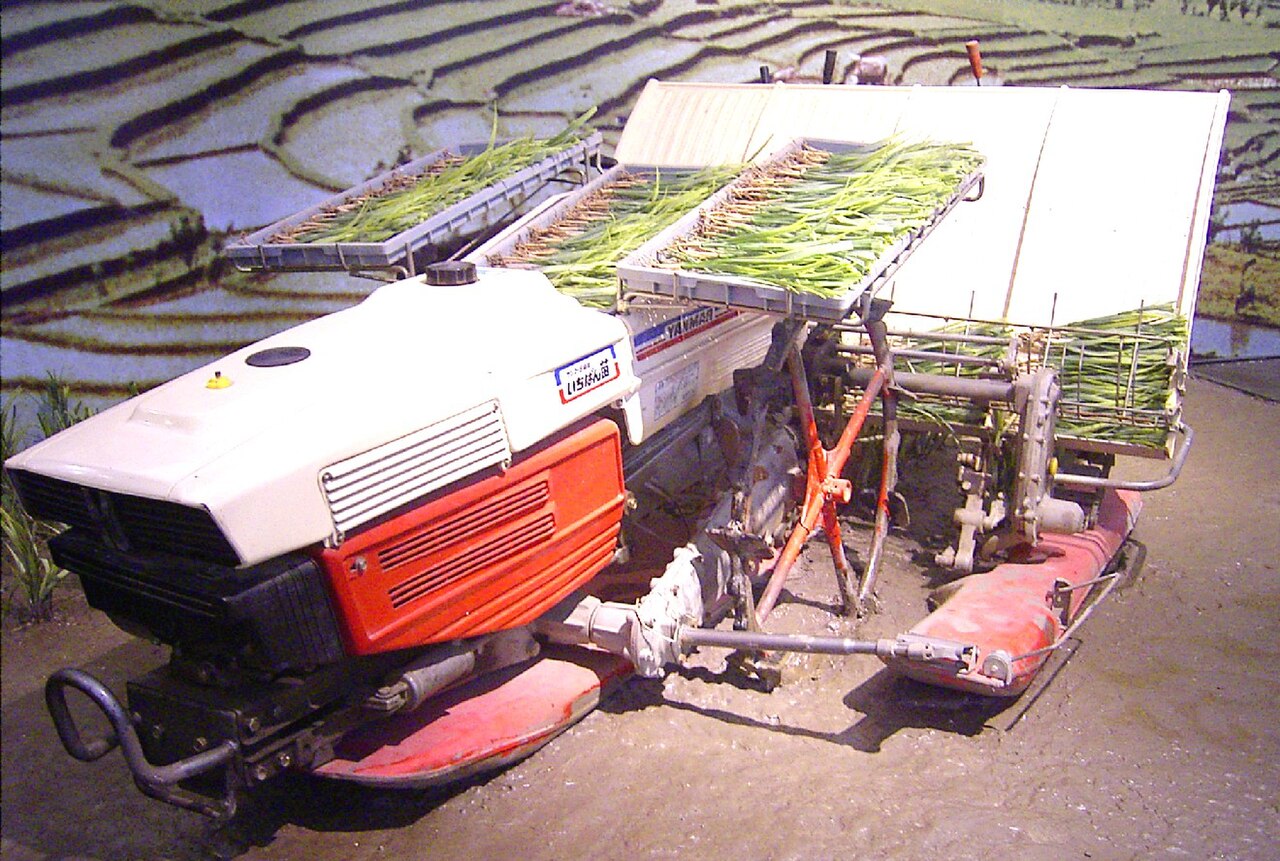
At the Boyarbhanga technology village in Batiaghata, BRRI dhan103 to 112 and similar varieties raised yields from 7-9 to 18-24 maunds per 33 decimals, and machine transplanting cut costs from Tk 4,500-5,000 to about Tk 1,500.
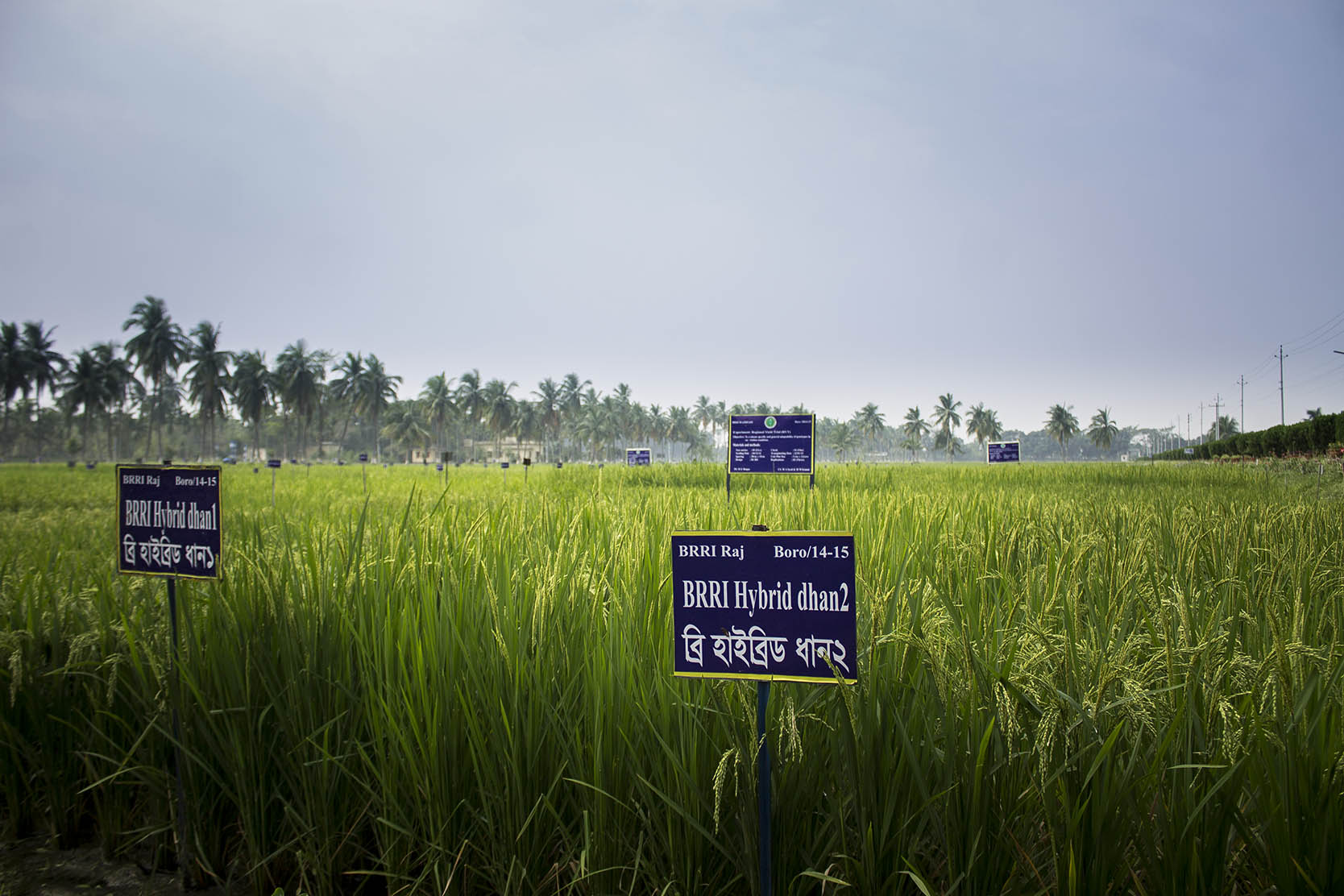
At a Gazipur workshop on the Bangladesh Rice Research Institute's progress and plans, agriculture secretary Md Selim Khan said the government would give talented agricultural scientists their due.
 Crops
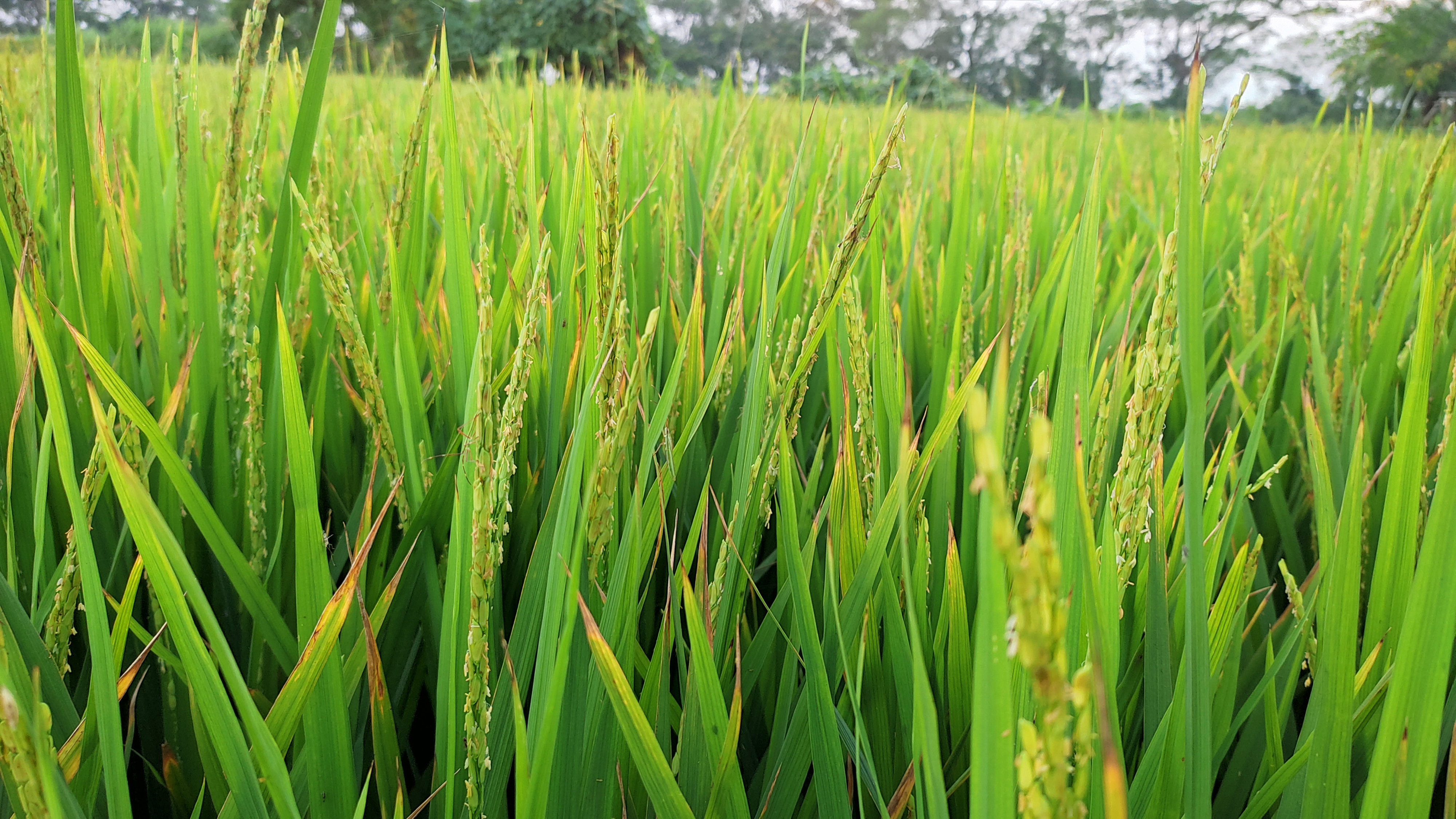
On 9 April 2026, agriculture and environment specialist Samiran Biswas warned that heat was disrupting flowering and grain filling in boro rice. Earlier BRRI and DAE advice is to hold 2 to 3 inches of water in the field until the grains harden.
 Crops
On 18 June 2025 the National Seed Board approved three new varieties from the Bangladesh Rice Research Institute: salt-tolerant Aman BRRI dhan112, high-yielding Boro BRRI dhan113 and blast-resistant Boro BRRI dhan114.
 Agrotech
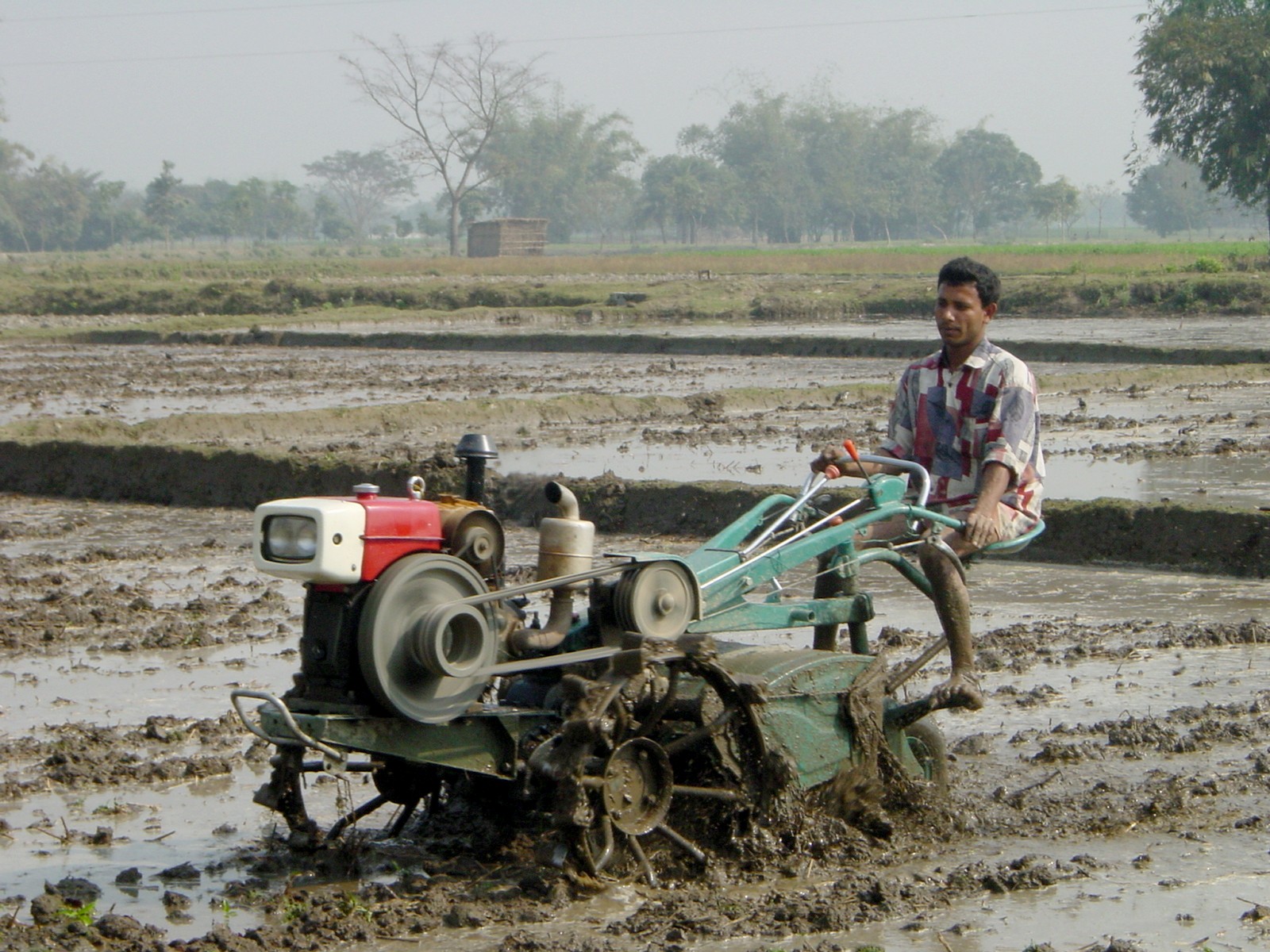
When rain or floods wipe out an aman seedbed, a drum seeder can sow sprouted rice seed straight into puddled mud; in BRRI trials it out-yielded transplanting and matured 10 to 20 days earlier.
Marking its 50th anniversary, the Bangladesh Rice Research Institute describes how its varieties and technologies helped Bangladesh become the world's third-largest rice producer.