
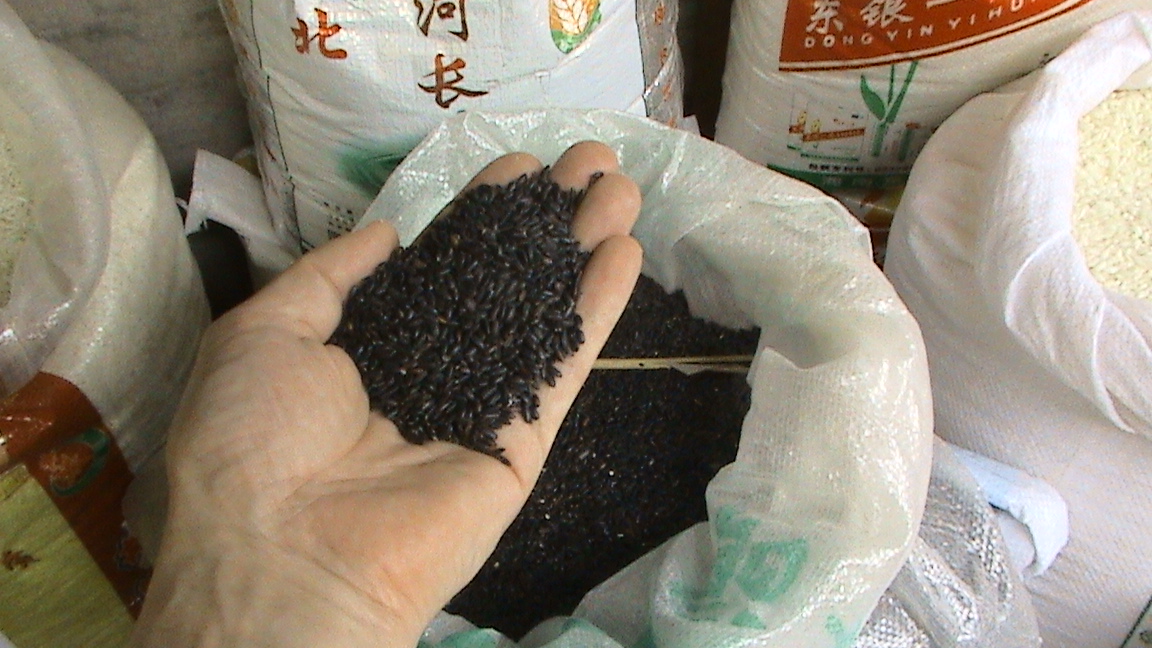
Dr M Abdul Momin, senior communications officer at the Bangladesh Rice Research Institute (BRRI), argues in a column in Daily Bangladesh that BRRI dhan115, the country's first high-yielding black rice variety, offers real prospects to farmers and consumers. Black or purple rice has long been grown in Asia, he writes, but yield was the obstacle. Citing a study by the International Rice Research Institute (IRRI) in the Philippines, he says such coloured rices yield only 2 to 3 tonnes a hectare, so supply stayed small and prices out of reach for most people despite demand.
According to the writer, the variety was released for cultivation nationwide at the 115th meeting of the National Seed Board on 5 February. Scientists in BRRI's biotechnology division developed it by anther culture, raising plants from pollen sacs through tissue culture, which gives a stable variety in a relatively short time. It averages about 7.4 tonnes a hectare and matures in 137 to 142 days. The grains are long and slender, the husk dark brown and the rice inside fully black. A thousand filled grains weigh about 17.8 grams, and amylose content is 23 per cent.
On nutrition, the writer says each kilogram of the rice contains about 15 milligrams of vitamin E and 29.12 milligrams of cyanidin-3-glucoside. Citing research, he writes that because black rice is eaten as a whole grain it has more fibre and protein than white rice: 100 grams of dry white rice has 0.4 grams of fibre against about 4.9 grams in black rice, though this varies by variety. Most of its beneficial phenolic and anthocyanin compounds (more than 73 and 91 per cent respectively) sit in the bran layer, so heavy polishing strips them away. He also cautions that the rice should not be relied on as the only source of vitamin E: it complements a balanced diet rather than replacing it.
On the market, the writer says black rice is a premium product worldwide and can fetch three to five times the price of ordinary red or brown rice. He sees four reasons for demand in Bangladesh: growing urban concern about diabetes and obesity, a separate "healthy rice" category in supermarkets and online shops, lower imports if it is grown at home, and export chances among Bangladeshis abroad and in Asian health-food markets. If a yield of 7.4 tonnes a hectare can be sold at a higher price, farmers stand to gain, he argues.
He also lists the challenges. High prices make it hard for ordinary people to afford, though he expects prices to fall as output grows. Its taste, aroma and cooking differ from everyday rice, so he proposes promoting recipes and trying it in school or hospital meals. There is a risk of dyed, adulterated "black rice" entering the market, so branding by variety name and quality control are essential. He also calls for contract farming, proper storage and strong coordination among farmers, entrepreneurs and BRRI to bring the rice to market.
If good seed supply, farmer training and market management move forward together, he concludes, this rice need not stay on the shelves of city supermarkets. The views are the writer's own.
Photo: Anna Frodesiak / Wikimedia Commons (Public domain)
Source: Daily Bangladesh

Comments
(0)