
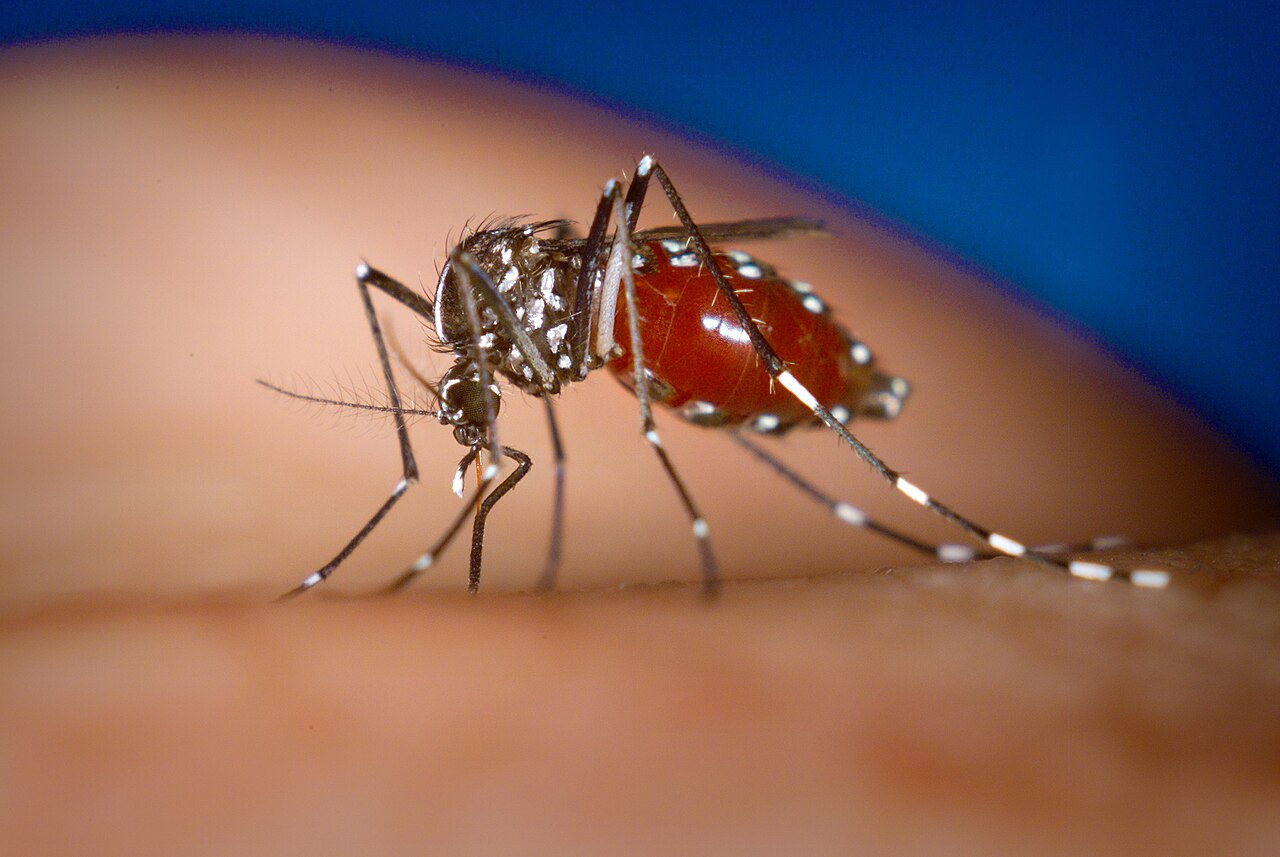
People are dying of dengue every day and thousands are in hospital, yet relatives must go from pharmacy to pharmacy looking for the normal saline used to treat them. In a column in Sarabangla, journalist and columnist Mir Abdul Alim calls this not a simple shortage of one product but a national question of saving lives. The views are the writer's own.
He cites Directorate General of Health Services figures for 1 November: 427 dengue deaths this year and 136,929 people admitted to hospital; 1,929 admissions and eight deaths in the previous 24 hours, with 6,114 patients under treatment. October alone saw 173 deaths. The disease is no longer confined to Dhaka, he notes, with cases rising in districts and upazilas and beds short in some hospitals.
On the cause, he cites media reports that several makers cut production of liquid saline as costs rose. The retail price of normal saline has not changed since 2015; manufacturers say a bag costs about Tk 120 to make but sells for a fixed Tk 87, and a proposal to adjust the price has been pending for a long time. For a country that exports medicines to about 140 countries, he calls the shortage astonishing.
He urges the government to sit down quickly with manufacturers and set a price and supply policy that keeps them producing without loading unreasonable prices on patients. He puts direct questions to the Directorate General of Drug Administration, the health ministry and the makers: what is real demand, how many bags are made a day, how much is in hospital stock, who has cut output, and has emergency import been arranged.
He also stresses that not every dengue patient needs intravenous saline: doctors decide from dehydration, blood pressure, urine output and test results, and too much saline can itself be dangerous. People should not put patients on saline in panic but follow medical advice.
He sees a lack of continuity in prevention too: mosquito control and clean-up drives start with the monsoon and stop for the rest of the year. Fighting dengue is not the health ministry's job alone, he argues; local government must control mosquitoes year-round, the drug regulator must police the market, and hospitals need enough beds, doctors, nurses and supplies. Saline, he writes, is not a luxury but a means of saving lives.
Photo: James Gathany, CDC / Wikimedia Commons (Public domain)
Source: Sarabangla


Comments
(0)