
Thousands of species, from tigers and polar bears to rare flowers, birds and insects, face extinction, and researchers warn that half of all plant and animal life could be gone by the end of the century if the destruction does not stop. In a column in Ajker Patrika, agriculturist and environment specialist Mrityunjoy Roy writes that rewilding offers at least one simple answer. The views are the writer's own.
Drawing on Caroline Fraser's book Rewilding the World, he explains the idea. In Bengali it might be called punarbanyakaran, but it is not only about forests: it means returning every species in an ecosystem to the wild and letting nature run its own course without interference. He suggests letting forests regrow rather than felling them, removing barriers to rivers' natural flow, releasing or reducing animals according to the ecosystem, and letting hills regain their cover instead of stripping them.
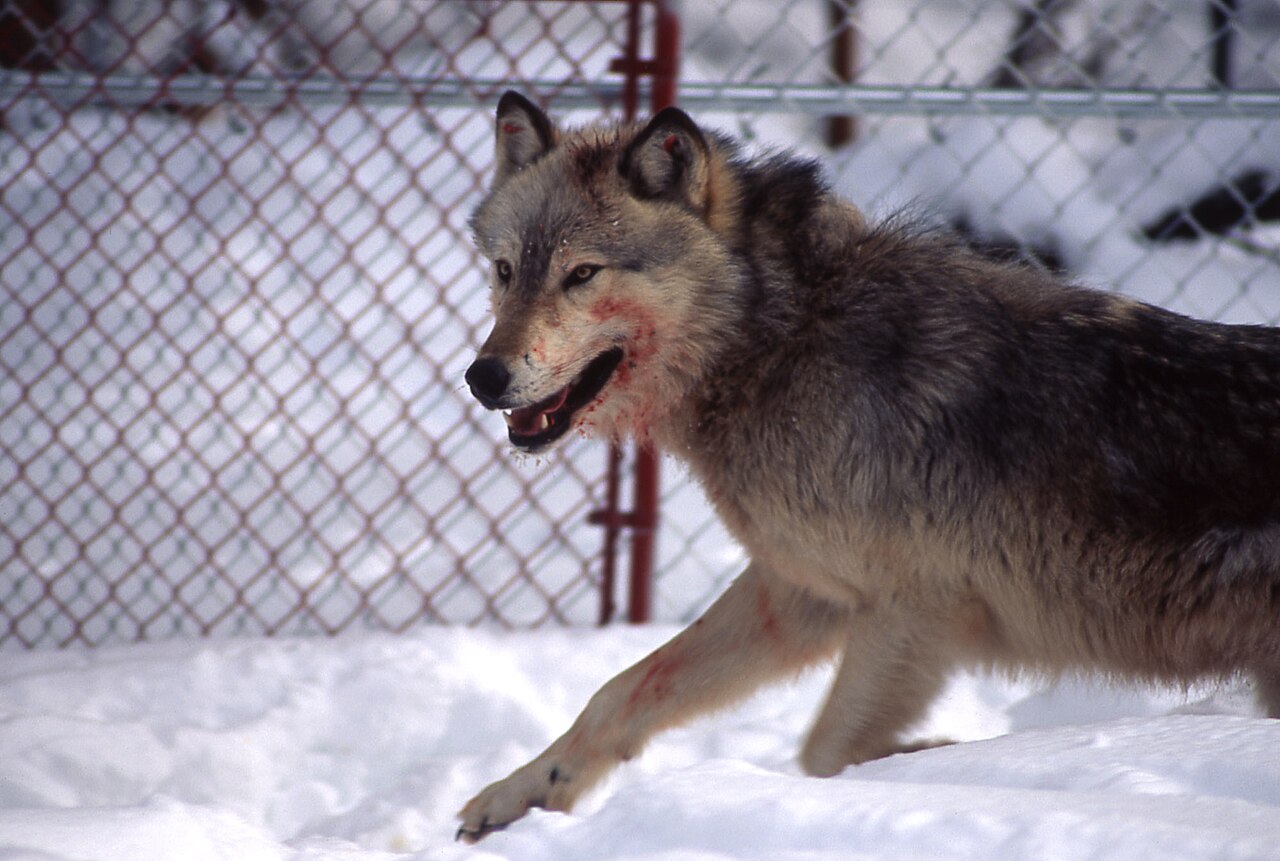
His example is Yellowstone in the United States in 1995. With no wolves for about 70 years, deer had multiplied, eating saplings and eroding riverbanks, while birds, bears and fish declined. Once wolves were released, deer began avoiding the riverbanks out of fear and their numbers fell; bank erosion stopped, some trees grew nearly five times taller in six years, and birds and bears returned. He warns that if the Sundarbans ever lost its tigers, deer would take over and the forest might lose its trees.
For people, he writes, this means clean water, fertile soil and a stable climate, all of which depend on working natural systems. Returning forests cool the air and hold water in the soil; free-flowing rivers reduce flood risk and help fish; richer biodiversity makes ecosystems better able to withstand stress. Living near nature is also linked to lower stress, he notes.
In Europe and America, wetland restoration, grassland revival and the return of lost species involve farmers, scientists, local communities and volunteers. His question: will Bangladesh take up any project based on this idea?
Amid the steady flow of bad environmental news, he reminds readers that it is not the whole picture: in many countries, given a chance, nature is bringing back wildlife, trees and river flows. He quotes Carolina Soto-Navarro, head of Wilder Nature: rewilding means changing how we think about the value of wild nature, not just for today but for the distant future.
Photo: National Park Service / Wikimedia Commons (Public domain)
Source: Ajker Patrika

Comments
(0)