
On the saline, waterlogged coast, new Bangladesh Rice Research Institute (BRRI) varieties and machines have doubled or tripled rice yields at the Boyarbhanga technology village in Batiaghata, Khulna, Dainik Bangla reports. Farmers say old local varieties such as Raniselut, Benapol and Morichshail gave 7 to 9 maunds per 33 decimals, while modern varieties including BRRI dhan103, 109, 110, 111 and 112, with improved practices, now give 18 to 24 maunds.
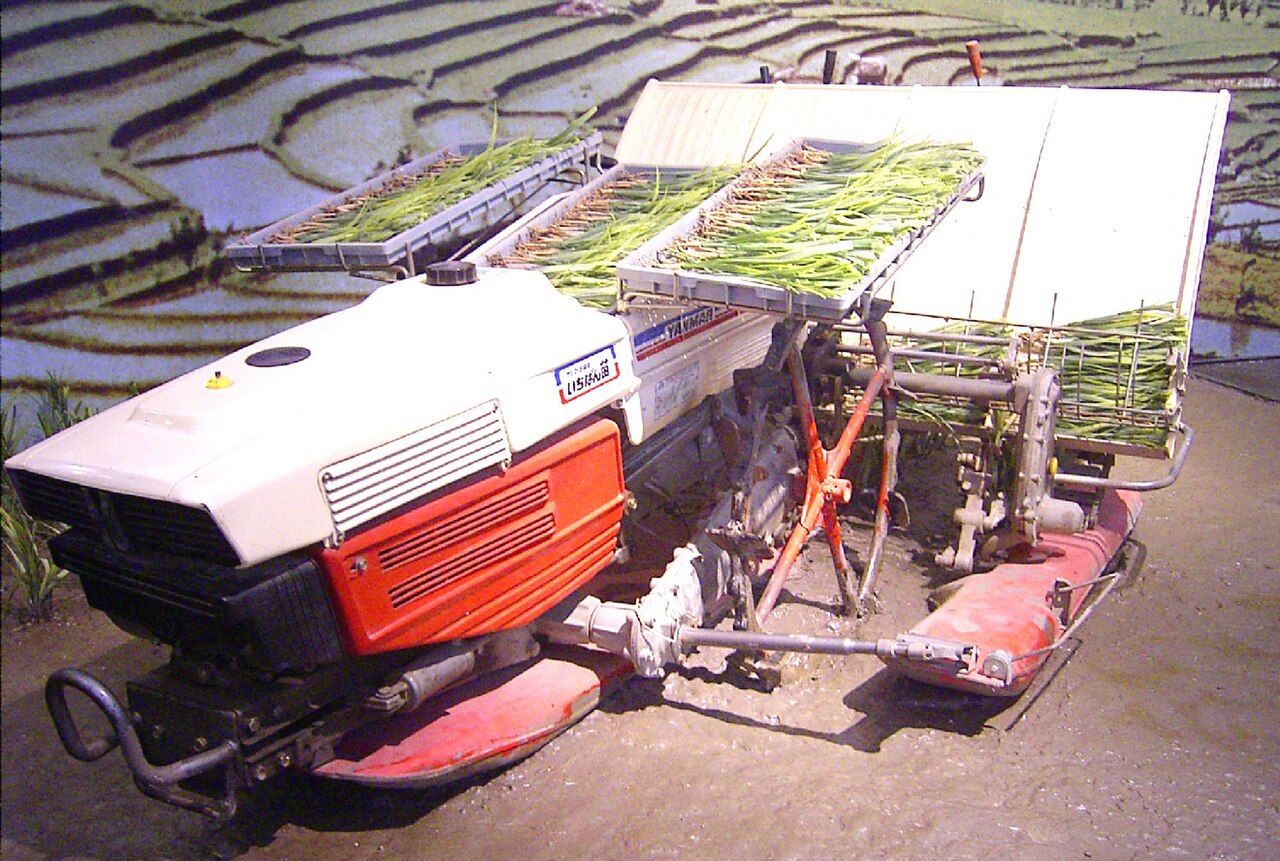
Machines have cut costs too. Local farmer Guruchand Bairagi said hand-transplanting 33 decimals used to cost Tk 4,500 to 5,000; this season a rice transplanter did the same land for about Tk 1,500, saving time and labour as well.
The village was visited by Dr Md Anwar Hossain, director of BRRI's project on location-specific rice varieties and technologies through six new regional offices and upgraded laboratories (LSTD). This aman season the site is running local germplasm collection and evaluation, line trials of new salt-tolerant varieties, sustainable coastal fertiliser management, bio-coated urea, spacing trials for BRRI dhan112, trials to raise cropping intensity and efforts to raise output with less pesticide. A "rice garden" of 52 BRRI varieties is testing how each adapts to local conditions.
The project director said there is no alternative to location-specific research for the coast's many problems, and with labour scarce and wages rising, machinery must be used at every stage of rice production to get work done on time and cut costs. Dr Md Sajjadur Rahman, head of BRRI's Khulna satellite station, said the technology village ties research, demonstration and farmer participation together.
More than a hundred men and women farmers attended a meeting during the visit, along with BRRI scientific officers Billal Hossain and Khalid Hasan Saurav and Batiaghata upazila agricultural extension officer Alamgir Hossain.
Photo (illustrative): a rice transplanter. Photo: Werner Willmann / Wikimedia Commons (CC BY 2.5)
Source: Dainik Bangla


Comments
(0)