
The International Potato Center (CIP) has grown new biofortified, disease-resistant potato varieties through an unusually hot winter in Lima by planting them on untilled soil under a mulch of rice straw, a technique its researchers first developed with farmers in India.
Winter maximum temperatures at Lima's Campo de Marte station usually hover around 19°C, but this year they reached 28°C, according to Peru's meteorology service SENAMHI, and some parts of the city recorded anomalies of up to 10.1°C above normal, driven by an extreme El Niño intensified by climate change. Potatoes need cool conditions, and heat hinders growth and raises pest and disease risk.
The new varieties carry more iron, zinc and vitamin C, which helps the body absorb the iron and zinc, at a time when iron-deficiency anaemia remains a serious problem among Peruvian women and children. They are suited to frying and baking, which widens farmers' markets, and resist late blight, cutting the need for pesticides. "These potatoes are among our best innovations at CIP," said senior scientist Gabriela Burgos.
Planted on 18 June, the potatoes would not have grown in this winter's heat without zero-till mulching, CIP says. The straw lowers soil temperature, keeps in moisture and adds organic matter, and it reuses crop residue that farmers often burn. No tillage protects soil structure and saves labour, and drip irrigation run by soil-moisture sensors uses water more efficiently than conventional irrigation. Together the practices cut production costs by about 20%, CIP says.
A delegation from mining company Minera Poderosa, Asociación Pataz and a dozen other organisations, including Supermercados Peruanos, ComexPerú and Danper, saw the results at a harvest demonstration in late September. "We have to adapt to what lies ahead," said Jimena Sologuren of Minera Poderosa.
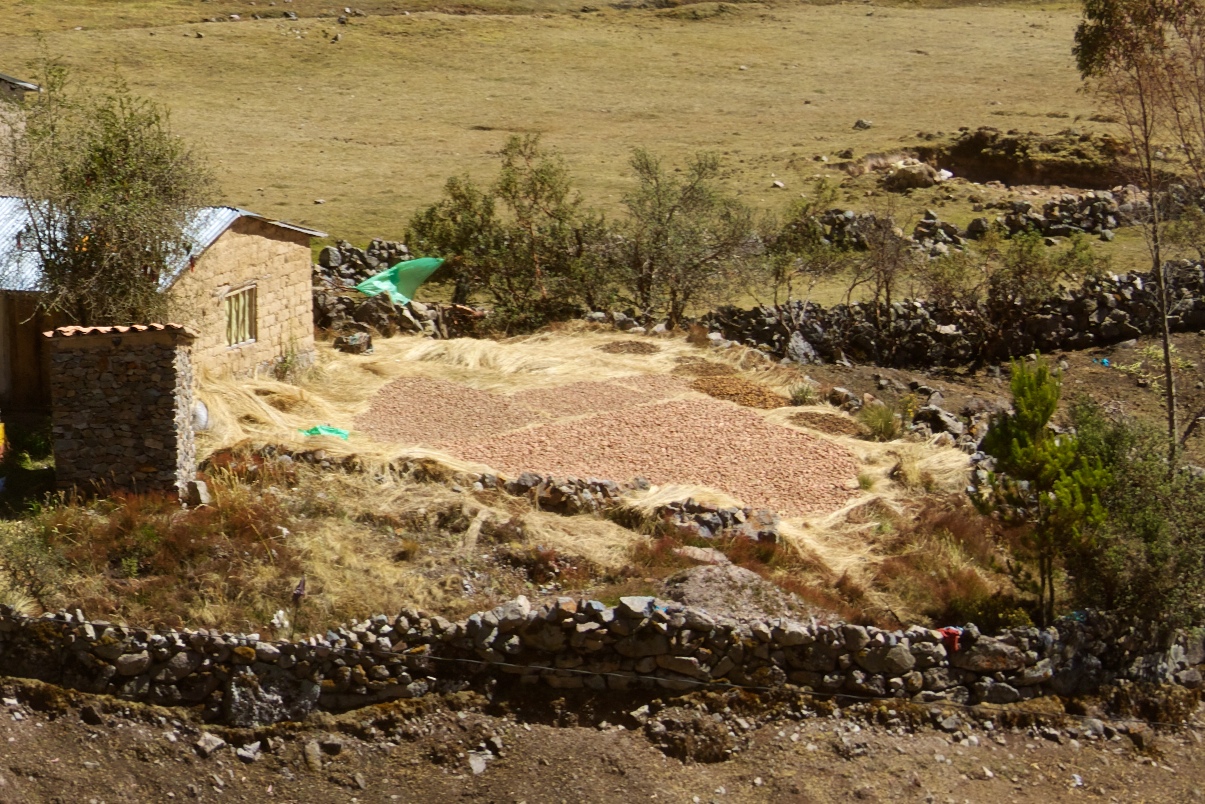
Photo: McKay Savage / Wikimedia Commons (CC BY 2.0)
Source: International Potato Center
Comments
(0)