
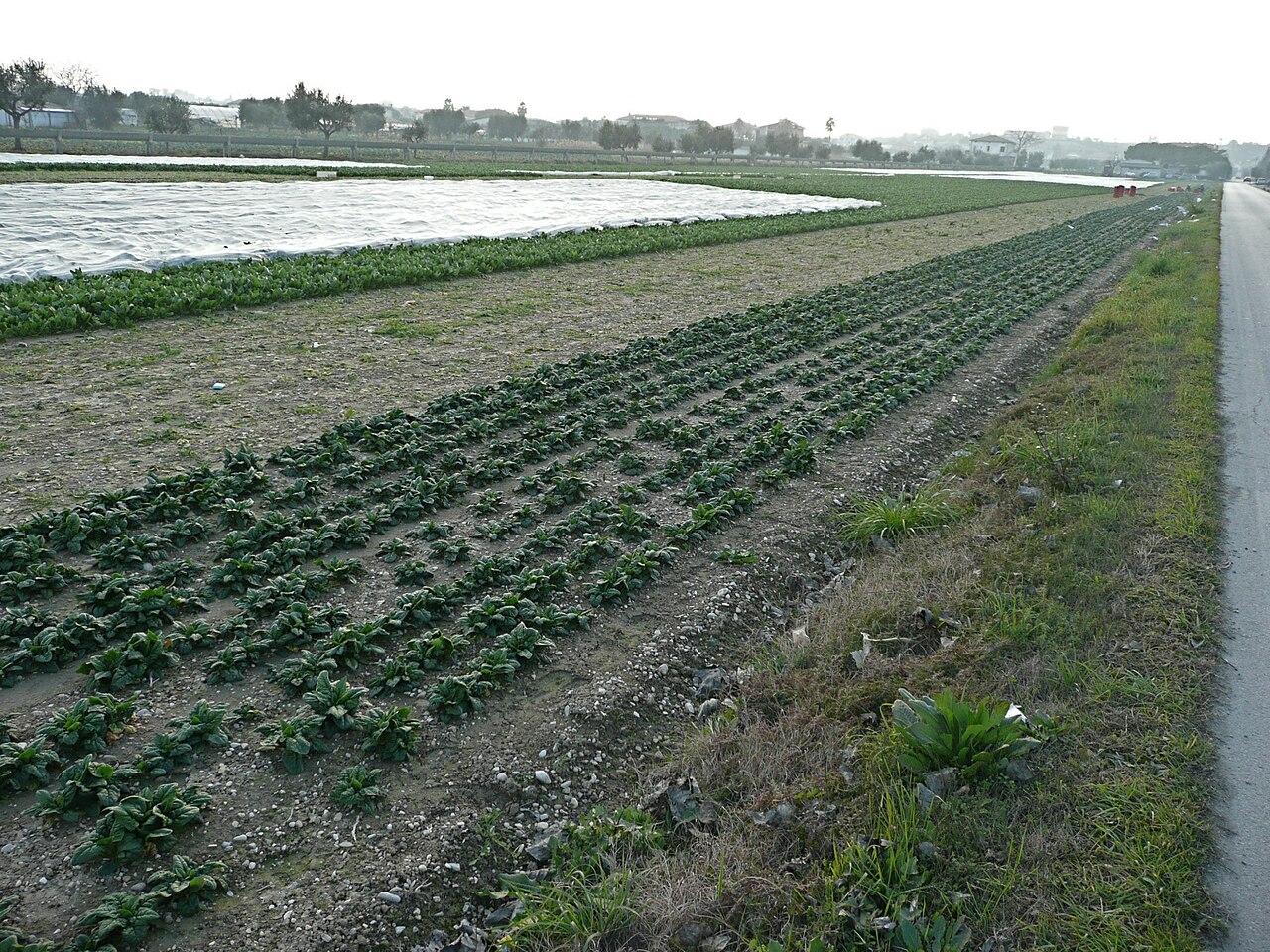
As South Africa heads into what forecasters expect to be a hotter, drier El Niño summer, spinach farmers are changing daily field work to protect their crops from heat stress, moisture loss and disease, Food For Mzansi reports.
Farmers in the Eastern Cape and Limpopo report powdery mildew starting on older leaves, especially where air moves poorly. "Daytime heat causes the spinach to wilt severely. Powdery mildew starts on the older leaves and gradually spreads," said Luyolo Mfenqa, a crop farmer in the Eastern Cape. He sprayed a home mix of bicarbonate of soda, dishwashing liquid and Epsom salt, which he says stopped the spread, then covered the plants with shade cloth. He recommends shade cloth, watering in the cooler night hours and early, targeted sprays; farmers are advised to consult a crop specialist before treating disease themselves.
In Limpopo, Percy Moleka Komane saw wilting between 11:00 and 15:00 even when the soil was moist. He increased mulching to keep the soil cool, moved irrigation to 16:00 to avoid leaf scorch and reduce the overnight humidity that triggers mildew, waters more often, plants new beds in afternoon shade and starts crop cycles earlier, before the worst heat.
Hamond Motsi, a PhD researcher at Stellenbosch University, said organic matter helps soil hold moisture and conservation farming helps, but cannot carry a farm through severe dry spells. "In the long term, irrigation is going to be crucial," he said, noting that this year the Western Cape hardly had rain or cold, and that dams, piping and the technology to go with them need major capital.
The report was written by Lisakanya Venna for Food For Mzansi.
Photo: Peter Forster / Wikimedia Commons (CC BY-SA 2.0)
Source: Food for Mzansi

Comments
(0)