
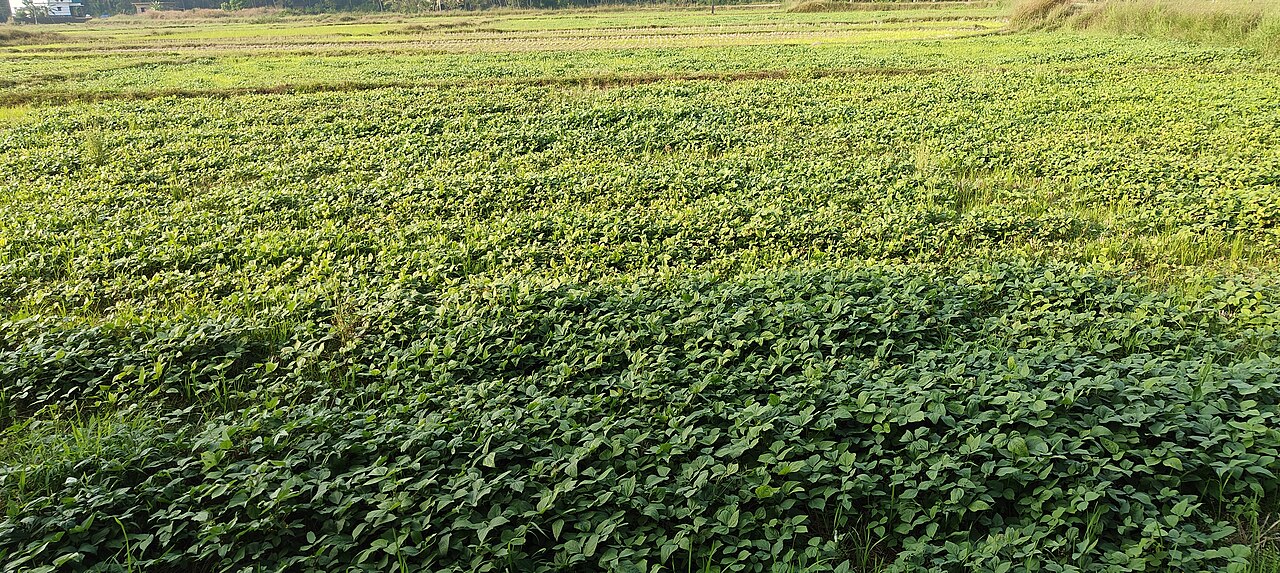
Farmers on the river chars of Bera upazila in Pabna say they are being left out of the government's farm incentive programme and are growing black gram, onions and vegetables with seed and fertiliser bought with their own money. The upazila agriculture office says a limited allocation and the remoteness of the chars mean it cannot reach every farmer. Agricare24 carried the report from the Daily Somoyer Alo.
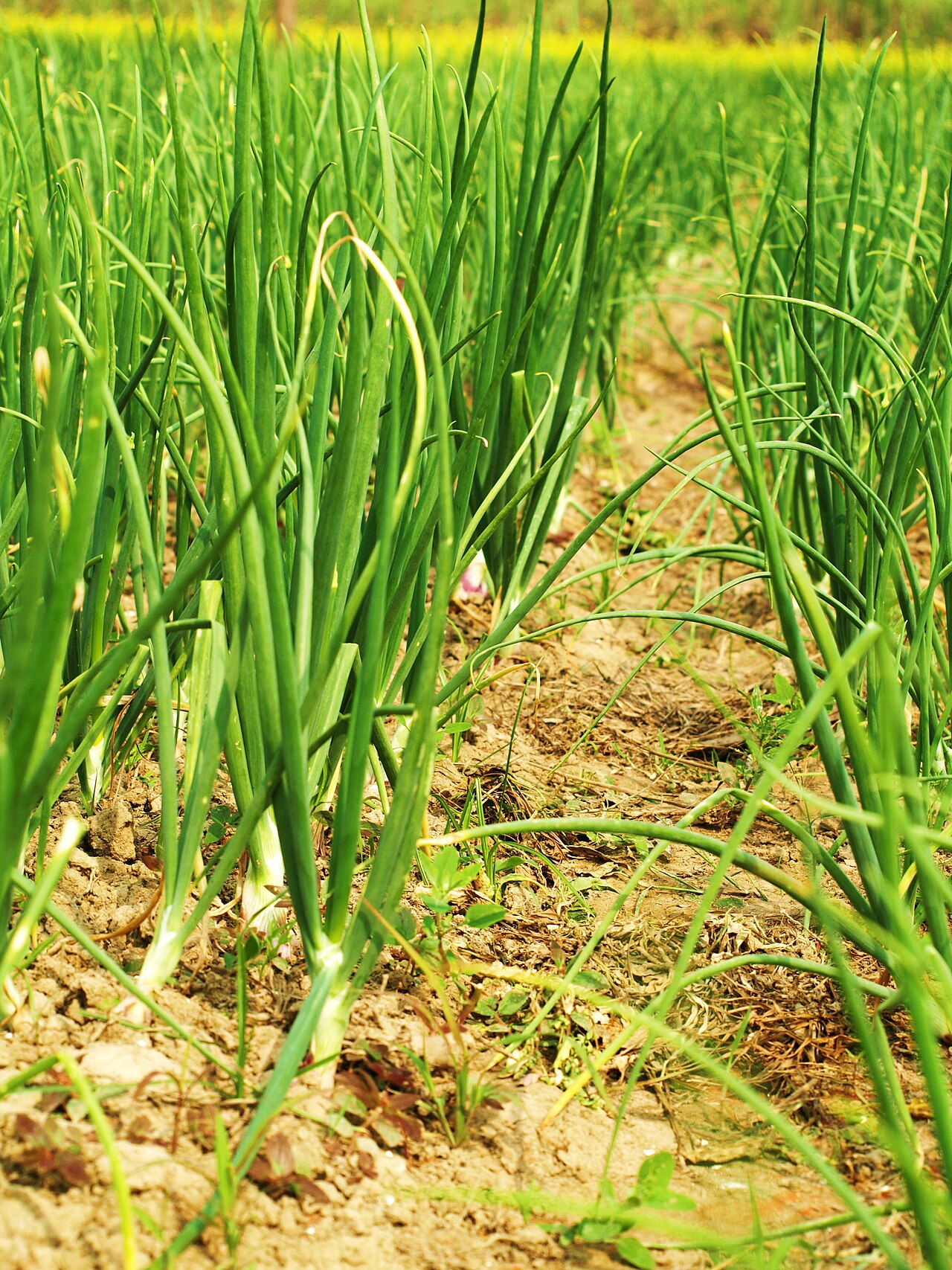
On Monday (12 October), hundreds of bighas at Char Sarashia, Char Nagdah and nearby areas were under black gram, murikata onions, pointed gourd, cucumber, red amaranth, spinach and radish greens, all tended at the farmers' own expense.
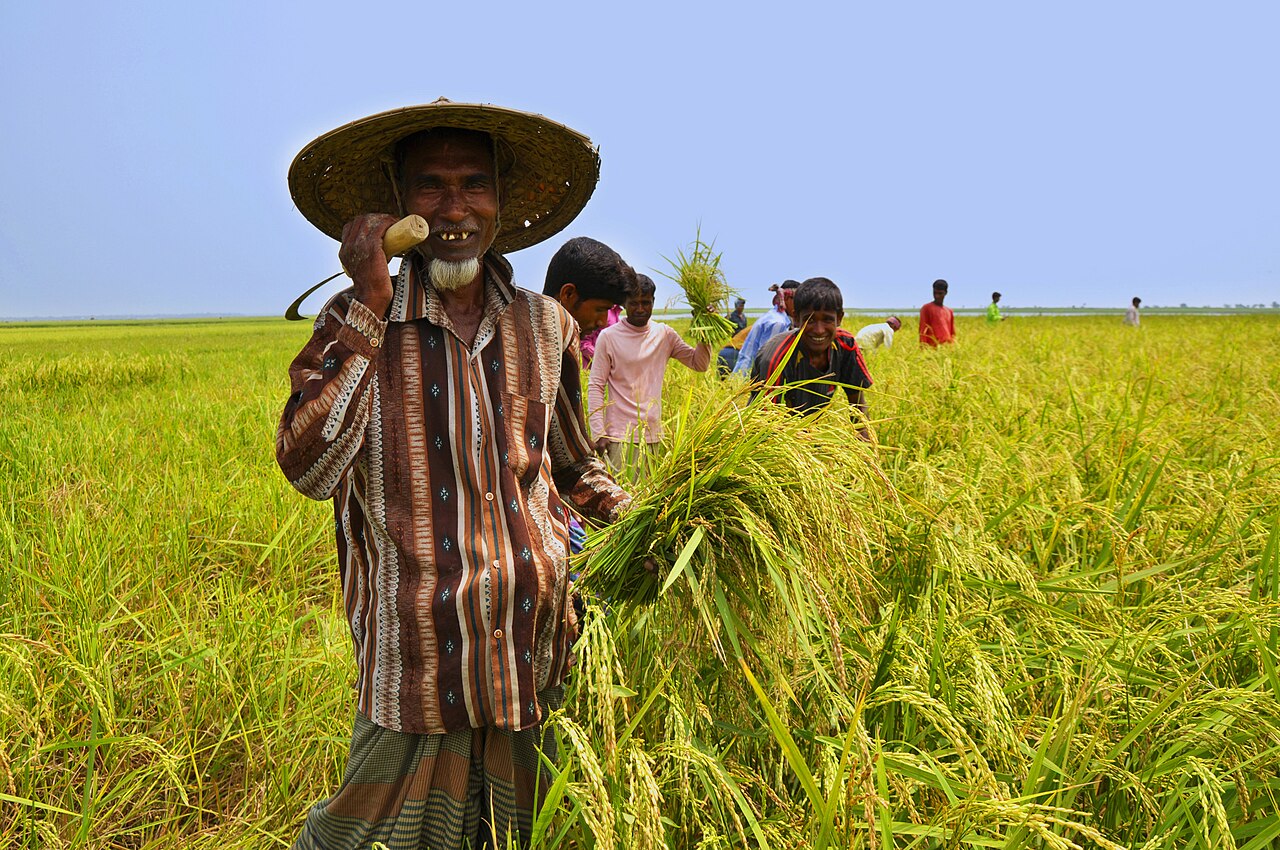
Humayun Kabir, a farmer at Char Sarashia, said that if they had waited for the agriculture office's incentives they would have had to stop farming, and that the department's field work brings them no real benefit. Zahid Molla, a union parishad member from Char Nagdah, and Md Mizanur Rahman, member for ward 8 of Haturia-Nakalia union, said farmers at Char Pechakola and Char Nakalia also get no government help.
Md Abdul Hamid Sarkar, chairman of Haturia-Nakalia union parishad, said he did not know whether the agriculture office had given incentives to any farmer this year, and complained that the office does not coordinate distribution with the union parishad.
Bera upazila agriculture officer Nusrat Kabir denied the allegations, saying incentives are distributed in consultation with local leaders and elected representatives, and that more than 3,000 farmers have received onion and vegetable seed and fertiliser in the Kharif-2 season of the 2025-26 fiscal year. Many farmers in remote areas do not come to collect incentives on time, and the allocation is smaller than demand, the officer said, adding that more char farmers will be brought under the programme.
The upazila agriculture office has set this season's targets in Bera at 2,000 hectares of onions, 890 hectares of vegetables, 125 hectares of rabi black gram and 2,235 hectares of Kharif-2 black gram.
Photo: Rohan Pinto / Wikimedia Commons (CC BY-SA 4.0)
Source: Agricare24
Comments
(0)