
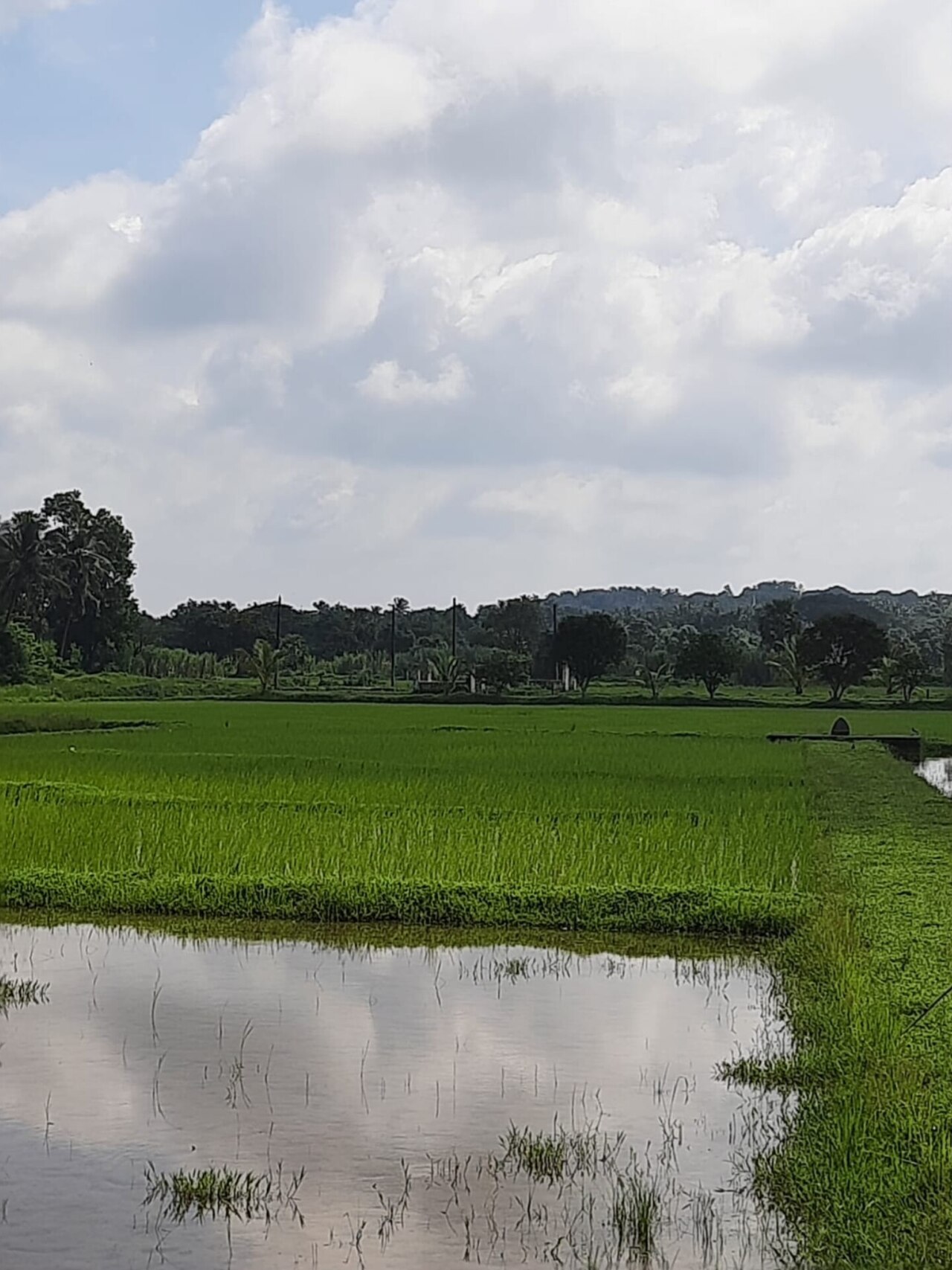
Low-methane rice practices already exist, but farmers will only adopt them if they gain from doing so, the International Rice Research Institute (IRRI) told a workshop at the Climate and Clean Air Coalition (CCAC) Annual Meeting 2026, held on 12 October at the FAO regional office in Bangkok.
Dr Alisher Mirzabaev, IRRI's senior scientist for policy analysis and climate change, said technologies such as alternate wetting and drying, improved residue management and other sustainable cultivation practices are ready. Drawing on IRRI's research and farmer surveys, he said adoption depends on affordable machinery, training and the right incentives, and that existing subsidies, including those encouraging fertiliser use, can work against changing practice.
He suggested premium markets for low-emission rice, so that buyers, millers and consumers share the cost of sustainable production; higher-value markets could carry early adoption before practices spread into mainstream rice.
Measuring the result is the other hurdle. Monitoring, reporting and verification needs reliable farm data and substantial investment, and because lower emissions are a public benefit, Mirzabaev asked who should pay for proving them. Without financing, he warned, countries risk staying focused on building monitoring systems instead of cutting emissions at scale.
Speakers from other countries raised similar problems: Kenya's livestock department on using emissions inventories for policy and finance, Brazil's agriculture ministry on farmer incentives and responsibility for manure management, including biodigesters, and Indonesia's need for better coordination, capacity and data. The workshop, co-organised by Clean Air Task Force, Environmental Defense Fund, Spark Climate Solutions and FAO, fed into preparations for COP31 and COP32.
Photo: Prathvi Acharya (rice paddy under managed water) / Wikimedia Commons (CC BY 4.0)
Source: IRRI
Comments
(0)