
Governments are preparing for what the World Meteorological Organization warned on 8 October could become one of the strongest El Niños since at least 1950, expected to peak at the end of 2026 with higher temperatures and shifting rainfall. But fishers and fish farmers are being left out of those plans, according to WorldFish.
Dr Michelle Tigchelaar, who leads WorldFish's work on climate and environmental sustainability, told a webinar on El Niño and adaptation in Asia, organised by the CLARE ASEAN initiative at the Asian Institute of Technology with AQUADAPT, that fisheries and aquaculture "tend to be left out of a lot of the food system responses". She cited an October 2026 FEWS NET report on El Niño's likely effects on crops, livestock and food prices that does not mention fish, and the International Water Management Institute's El Niño dashboard, which also leaves out aquatic foods.
The risks are real: warmer seas shift marine ecosystems and fish distribution, while drought, floods and heat disrupt ponds, rivers and lakes. Aquaculture now produces more than half of the world's aquatic animals. Yet fisheries received just 1% of tracked climate adaptation finance for food systems in 2019 and 2020, and 84 countries did not mention aquatic foods in their 2020 climate commitments. The name El Niño itself comes from Peruvian fishers who noticed warm water arriving with falling catches.
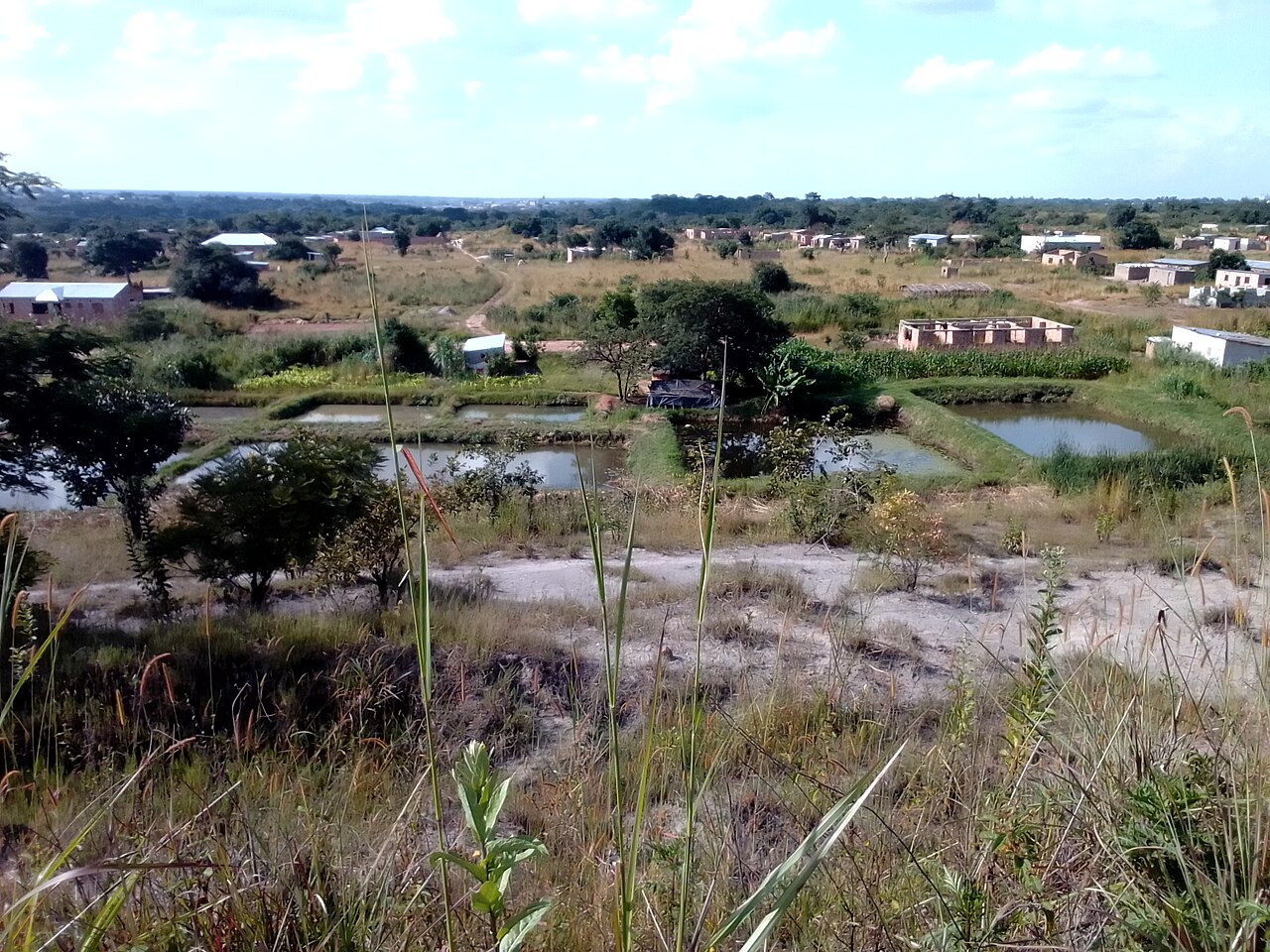
WorldFish is testing ways to turn forecasts into action. Through its Blue Resilience initiative in Zambia, which with Malawi faces a higher drought risk this rainy season, weather forecasts are converted into simple text messages to fish farmers' phones with advice on heat, water shortage and heavy rain, so they can adjust feeding, stocking and pond management. It is also trialling sensors that monitor pond water temperature, oxygen and other conditions, to combine with forecasts for more local advice.
"When it is hot, the ponds dry up. When there is no water, the fish die," said Zambian fish farmer Petronella Mumpangwe. The blog post is by David Wardell of WorldFish.
Photo: Blex02002 (fish ponds, Luanshya, Zambia) / Wikimedia Commons (CC BY-SA 4.0)
Source: WorldFish

Comments
(0)