

South Africa needs a new generation of black commercial farmers, and title deeds, mentorship and blended finance are how to build it, President Cyril Ramaphosa writes in his weekly newsletter, published by Food for Mzansi. The views are the writer's own.
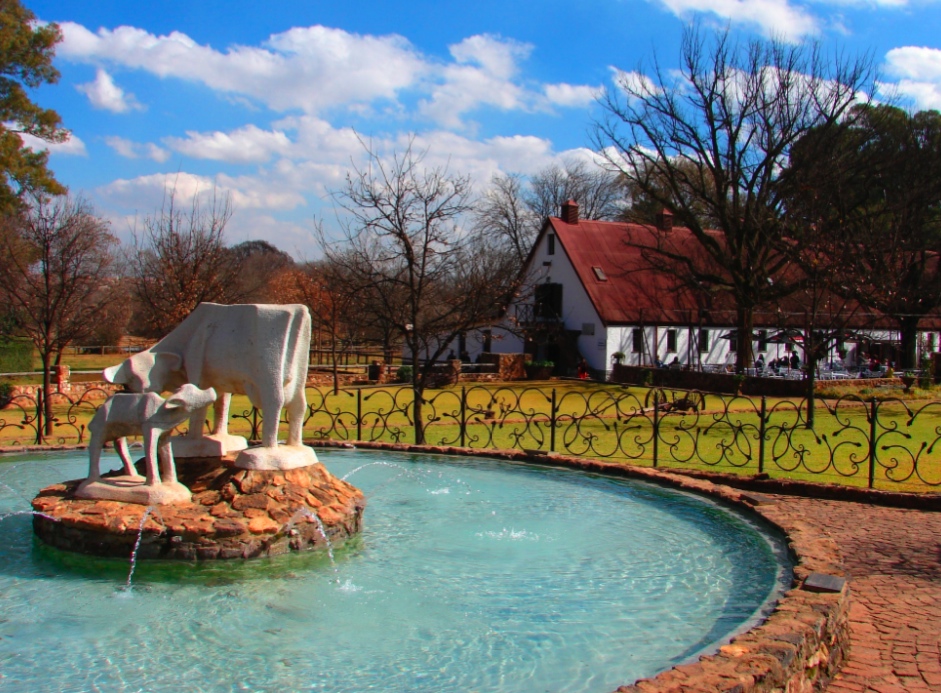
Ramaphosa describes a visit to Redlands Farm, a commercial dairy in Stutterheim in the Eastern Cape owned and run by young black farmers, which has expanded with the Land Bank's Blended Finance Scheme, a mix of government grant and loan. Too often, he writes, emerging farmers stay trapped at subsistence level because they cannot finance inputs, infrastructure or more land.
He sets out the sector's weight: farming employs about 944,000 people and the wider value chain another 200,000; the sector has more than doubled since 1994; and South Africa is the world's 32nd largest agricultural exporter, with record exports of R270 billion in 2025, nearly half of them to other African countries. Yet, he writes, the country still has "two agricultures": mainly white-owned commercial farms produce the bulk of output, while black farmers account for only around 10%.
The first step, Ramaphosa writes, is titled access to land. Under the Proactive Land Acquisition Strategy, about 2.5 million hectares of state-owned land are being released to black farmers with title deeds. He credits mentorship programmes run by commodity bodies such as the Citrus Growers' Association, Grain South Africa, the National Wool Growers' Association, Potatoes South Africa and the Milk Producers' Organisation, and invites more commercial banks and agribusinesses to join the blended finance programme.
He also says the government is working to widen export markets and is talking to farmers and agribusiness about new breeding techniques and agricultural biotechnology. He cites a 2025 University of Pretoria study that found a strong link between investment in agriculture and poverty reduction.
Photo: Zeynel Cebeci / Wikimedia Commons (CC BY-SA 4.0)
Source: Food for Mzansi


Comments
(0)