
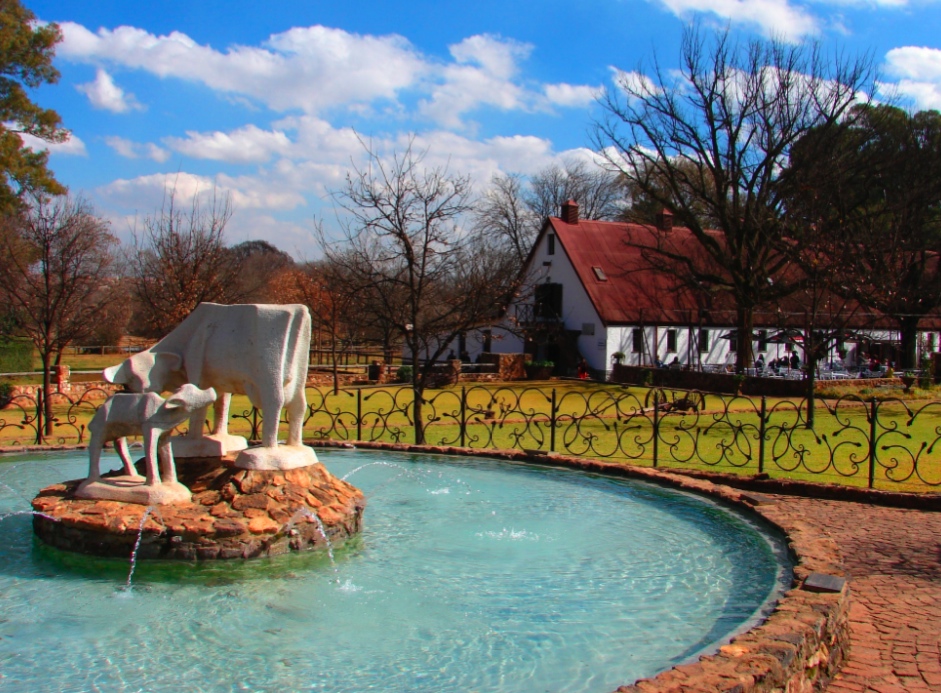
Smallholder dairy farmers in South Africa's Free State are giving up milk for other enterprises, and the main reason is the market rather than the cows, argue Adam Swarahla, a senior research technician, and Dr Walter Shiba, an agricultural economist, both at the Agricultural Research Council (ARC), in a signed column for Food For Mzansi. The views are the writers' own.
Dairy is one of the few farm enterprises that earns money every day, they note, and feed is the biggest single cost set against the price a buyer pays. But milk spoils quickly, so a farmer needs a dependable buyer every day. When the market fails, the loss is immediate: milk goes off, income is gone and farmers lose heart.
The barriers they list are familiar. Farms lie far from collection centres and processors, often on poor roads, so transport eats into margins. Many lack milking parlours, cooling and storage, electricity and water, and without cooling, milk quality falls quickly and may not meet processors' standards. Selling small volumes, individual farmers have little bargaining power and often take whatever price is offered or sell to local traders for less. Many also lack market information, skills, extension support and credit.
Their answer starts with cooperatives and producer groups, which can pool milk, cut transport costs, bargain for better contracts and bring in veterinary services, training and market information. Value addition, such as pasteurising milk or making fermented and other dairy products, extends shelf life and raises earnings, and joint ventures can bring resources, skills and market access that a single farmer lacks.
The authors call for a study of what keeps Free State smallholders from profitable markets, so that government, processors and farmer bodies can target milk collection centres, infrastructure, market information and cooperative development. "Smallholder dairy farmers are already producing the milk. The challenge now is ensuring that the market works for them," they write.
Photo: Monxdavies / Wikimedia Commons (CC BY 3.0)
Source: Food for Mzansi

Comments
(0)