
Across Bangladesh, households are dealing with fever, body aches, colds and coughs. In a column for Dhaka Post, Dr Anwar Khasru Parvez, professor and researcher in microbiology at Jahangirnagar University, writes that fever is a symptom rather than a disease and that this season's worst enemies are ignorance and fear. The views are the writer's own.
Dengue has changed, he writes: instead of the shivering high fever of the past, many patients now have mild or moderate fever, so it is easily mistaken for flu. The real danger comes after the fever falls, usually on days three to six, when platelets drop and plasma leaks from blood vessels, pushing patients towards dengue shock syndrome.
At the same time measles is returning among adults as well as children. A recent study, he says, found that many children caught it in hospital and that babies under nine months are being infected. Co-infection with dengue and measles, or flu and dengue, puts the immune system under severe strain.
When a child's fever runs very high, he advises light clothing instead of heavy covers, a cool room, and continuous sponging: leaving an unwrung wet towel on the body and keeping it wet, rather than a quick wipe. Boiled water, green coconut water, oral saline and soups help prevent dehydration.
He is emphatic on medicines: only paracetamol approved by a doctor for pain and fever, and never ibuprofen, naproxen or other NSAID painkillers, which can cause internal bleeding in dengue. Dengue and flu are viral, so antibiotics should not be taken without a doctor's advice. If dengue is suspected, an NS1 antigen test within the first one to five days and platelet monitoring are needed.
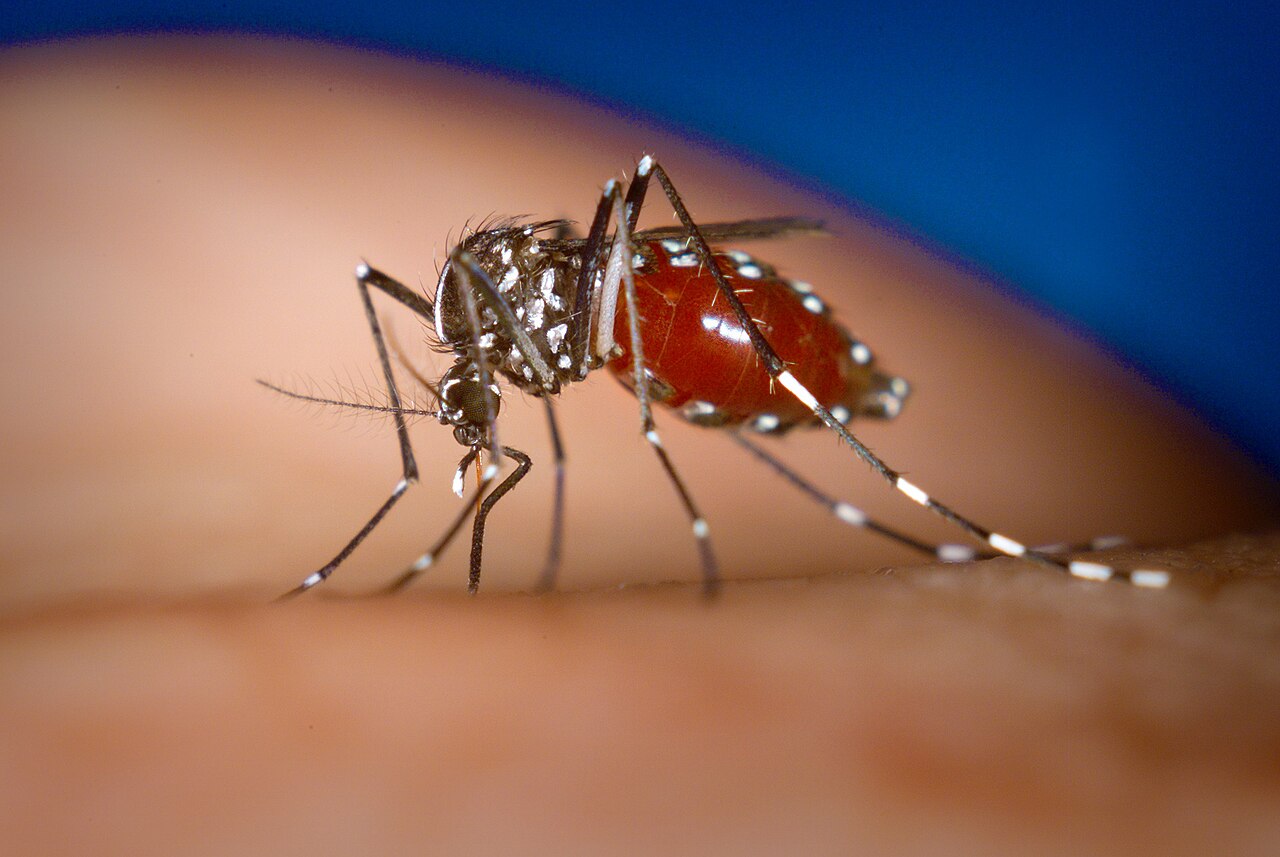
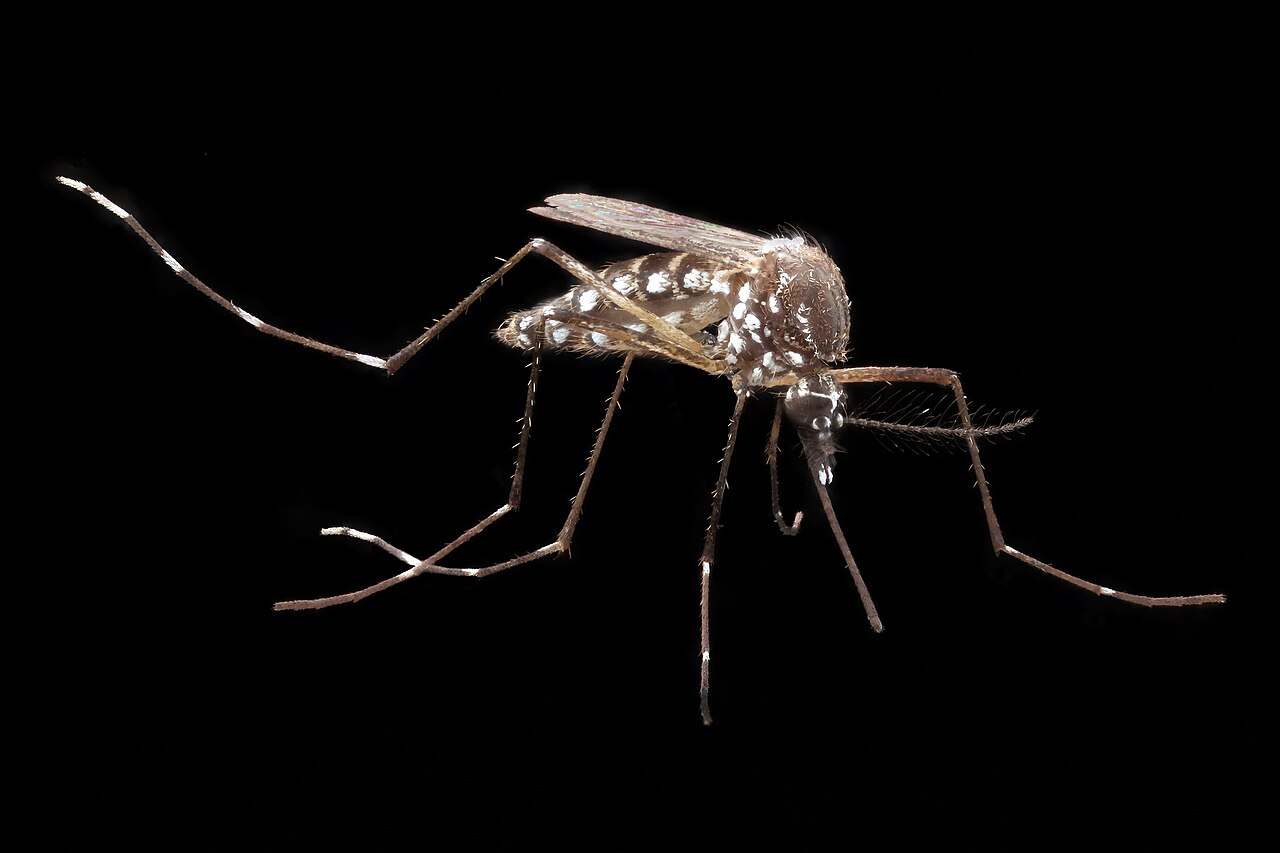
Timely measles vaccination and vitamin A for children, a clean environment, killing Aedes mosquitoes and accurate information are the best protection this season, the writer concludes.
Photo: an Aedes mosquito feeding on a human host (file), James Gathany, CDC / Wikimedia Commons (public domain)
Source: Dhaka Post



Comments
(0)