
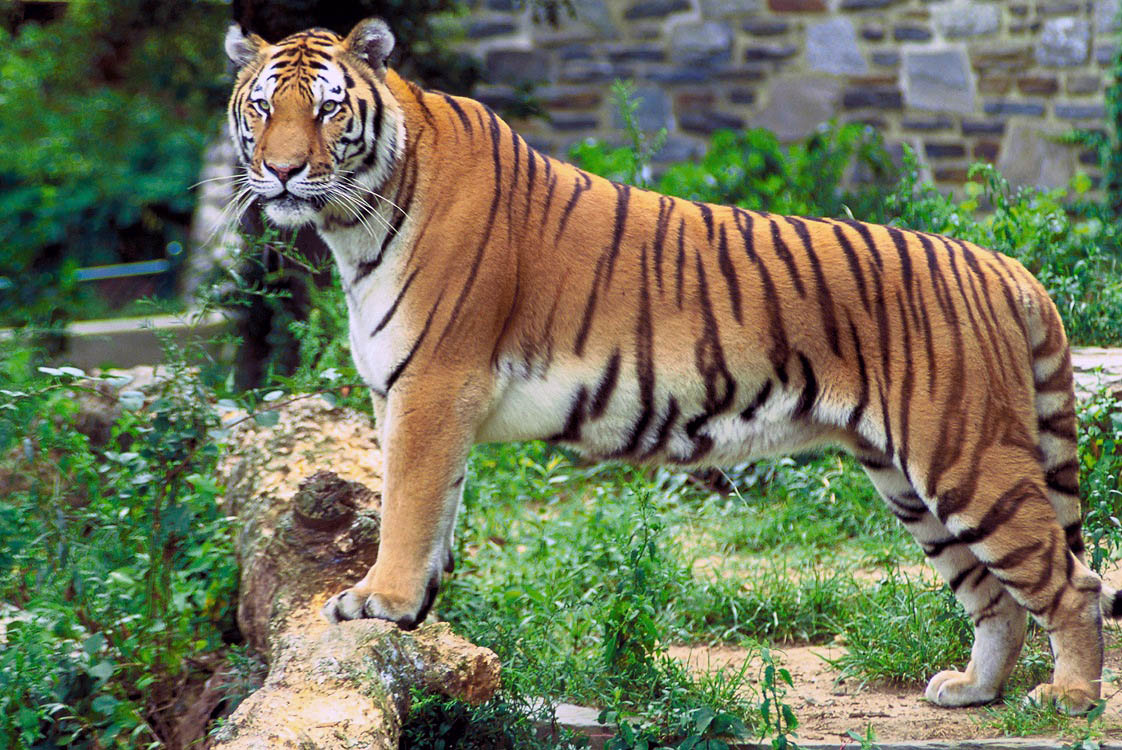
On 2 October a three-year-old tigress known as T138 was released into Buxa Tiger Reserve in northern West Bengal, which has struggled for more than a decade to keep a single resident tiger. She came from Bihar's Valmiki Tiger Reserve, once mocked as a "reserve without tigers". Samir Kumar Sinha, chief ecologist at the Wildlife Trust of India (WTI), who began working in Valmiki in 2003, sets out the lessons in a signed commentary for Mongabay India. The views are the writer's own.
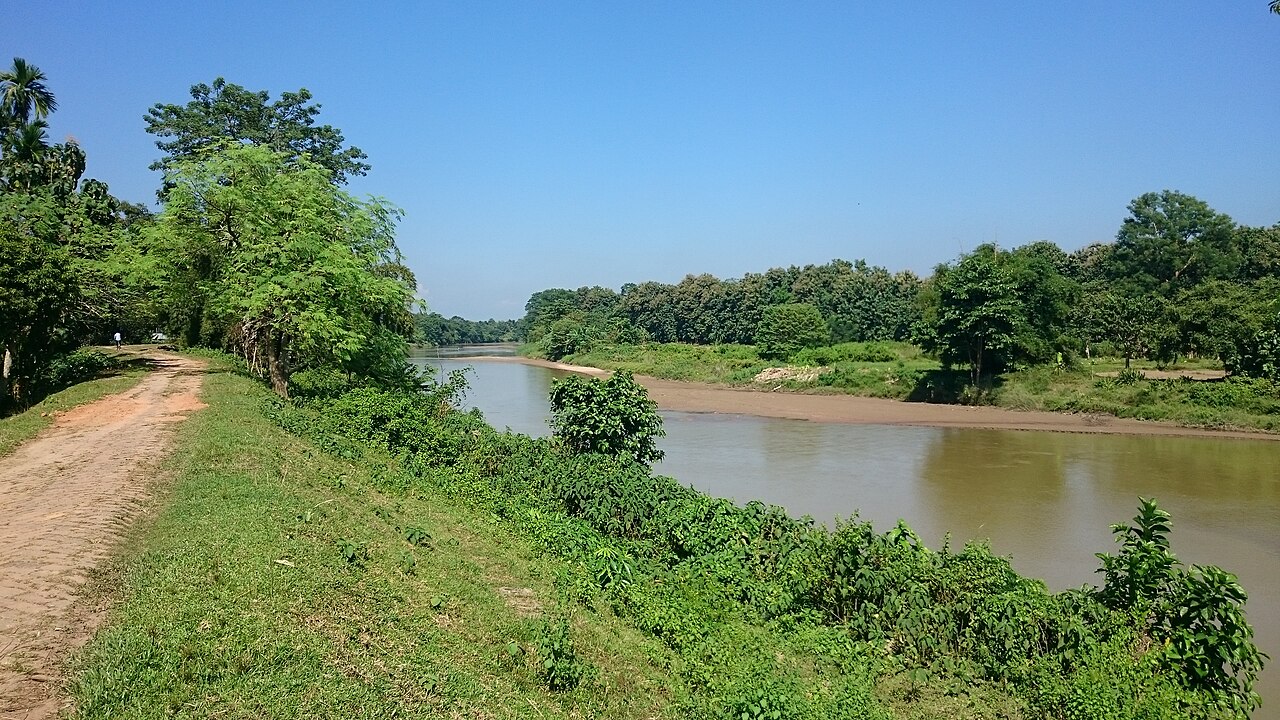
T138's territory lay in grasslands east of the Pandai river, an area that two decades ago was lined with stone crushers and mining trucks. After Supreme Court orders in 2002 and 2005 stopped mining inside protected areas, grass reclaimed the riverbed, deer and wild pigs returned, and tigers followed; tiger occupancy in the reserve rose from 510 to 750 square kilometres between 2006 and 2010. Salaries for staff, once unpaid for 12 to 14 months, were regularised, political support grew after 2010, and local people were recruited into protection teams. By 2022 Valmiki held 54 tigers.
Buxa went the other way. Its tigers declined around 2009-10, and since 2014 there has been no firm evidence of a resident tiger. Poaching, depleted prey and degraded habitat are blamed, and tea gardens, the Siliguri-Alipurduar railway and National Highway 31 have cut the corridors that might have let tigers return naturally. T138 was chosen because she hunts well and has had very few run-ins with people despite living near villages, said Gaurav Ojha, Valmiki's field director, who led the capture.
Sinha notes a genetic question: a 2019 Wildlife Institute of India study found that north-east India's tigers, the group to which Buxa belongs, are the country's most distinct, and recommended sourcing from Manas and Kaziranga where possible, with genetic monitoring of Buxa's new population.
One tigress cannot make a population, he writes, and more tigers, including males, are planned. Success will depend on prey, which means managing habitat and reducing grazing by village livestock that compete with wild herbivores, and on keeping links open between Buxa, Raimona, Manas and Bhutan's Phibsoo sanctuary. Conflict plans must expect more encounters with people; village relocation must be voluntary and fair; and fringe villages need livelihoods beyond ecotourism, with tea gardens also playing a part.
Photo: John and Karen Hollingsworth / Wikimedia Commons (Public domain)
Source: Mongabay India


Comments
(0)