
The National Plastic Action Partnership (NPAP) Bangladesh, a platform meant to bring government, business, development partners, researchers and waste workers together against plastic pollution, was formally launched in Dhaka on Tuesday by Abdul Awal Mintoo, minister for environment, forest and climate change.
The event at the Pan Pacific Sonargaon hotel was organised by the environment ministry, UNDP Bangladesh and the World Economic Forum's Global Plastic Action Partnership under the theme of joint action towards a circular economy. The minister said Bangladesh must cut unnecessary plastic, increase reuse and strengthen collection and recycling.
Plastic pollution affects urban drainage, rivers, wetlands, the coast, public health and ecosystems, he said, yet plastic is also bound up with production, trade and jobs, so the whole cycle from manufacture to waste must be addressed. For the Extended Producer Responsibility (EPR) guidelines for plastic waste, 2026, to work, reliable data, infrastructure, transparency and accountability are needed, he added.
The NPAP will link scattered initiatives, connect policy with implementation, bring innovators to market and align investment with national priorities, the minister said, urging businesses to come forward with practical solutions and investment.
State minister Sheikh Faridul Islam said the partnership should be judged by results, not by the number of meetings. UNDP Bangladesh resident representative Stephen Rodriguez said plastic blocks drains, worsens waterlogging and flood risk and reaches the sea through rivers, while open burning releases harmful particles and toxins; he called for households to separate waste and for it to be kept separate at collection.
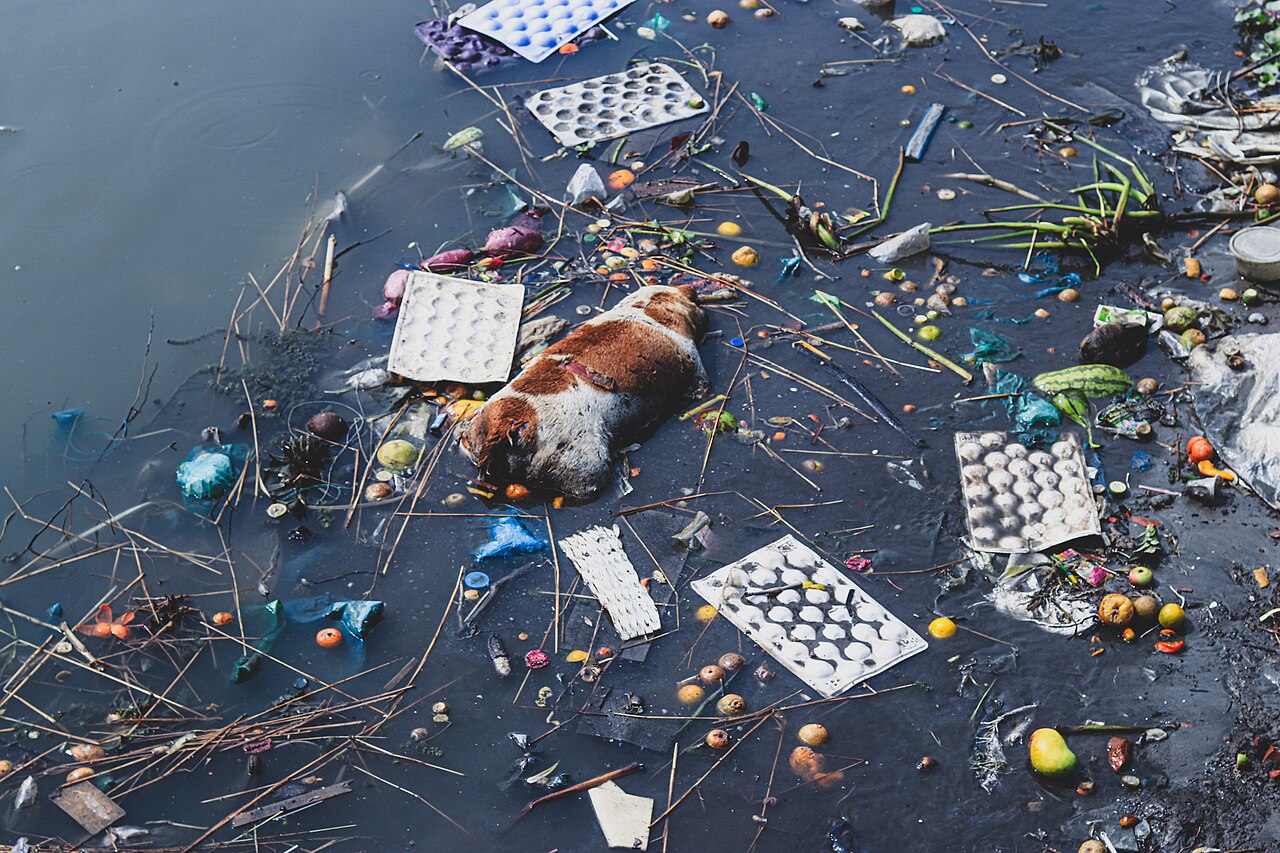
Plastic-choked rivers and canals also harm fish, irrigation water and farm soil, so the effort matters to farmers and fishers as much as to city dwellers.
Photo: plastic waste floating in the Buriganga River (file), A S M Jobaer / Wikimedia Commons (CC BY-SA 4.0)
Source: Desh Rupantor
Comments
(0)