
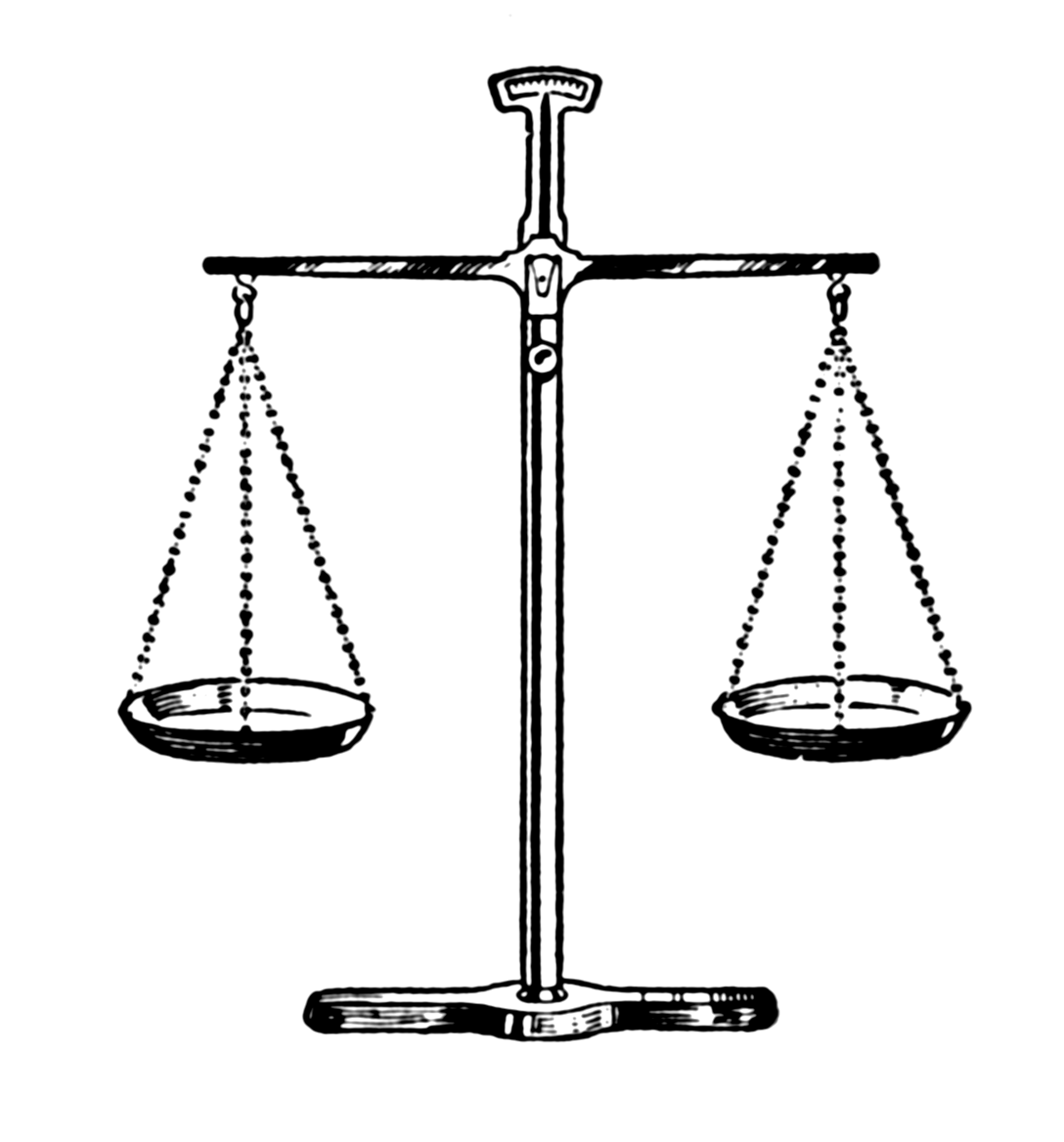
Establishing justice is one of the most important teachings of Islam. Writing in Desh Rupantor, Hasan Al Mamun says that whether an offender is rich or poor, there is no room to change the course of justice because of status or power; yet the wealthy often escape through money and influence while the poor face harsh punishment even for minor offences.
He quotes verse 135 of Surah An-Nisa, which tells believers to stand firm for justice and bear true witness for Allah's sake, even against themselves, their parents or relatives, whether rich or poor. His reading: no one is freed from responsibility for wrongdoing because they are rich, and undue harshness towards someone because they are poor is itself an injustice; judgment must rest on truth, evidence and fairness.
Verse 8 of Surah Al-Ma'idah says that hatred of a people must not keep believers from justice, and that justice is nearer to piety. Personal likes and dislikes, relationships or social identity, he writes, must not bias the process.
He also points to the social cost of unequal justice: when the powerful go unpunished, crime grows, and when the poor are denied justice, their trust in the state and society falls. Keeping the justice system free of influence, preventing corruption and ensuring legal aid for the poor are therefore essential.
His conclusion is that the wrongdoing of the powerful must not be supported, nor the innocent punished by taking advantage of their weakness; protecting the rights of rich and poor alike is the ideal of Islam.
Photo: Pearson Scott Foresman / Wikimedia Commons (public domain)
Source: Desh Rupantor


Comments
(0)