
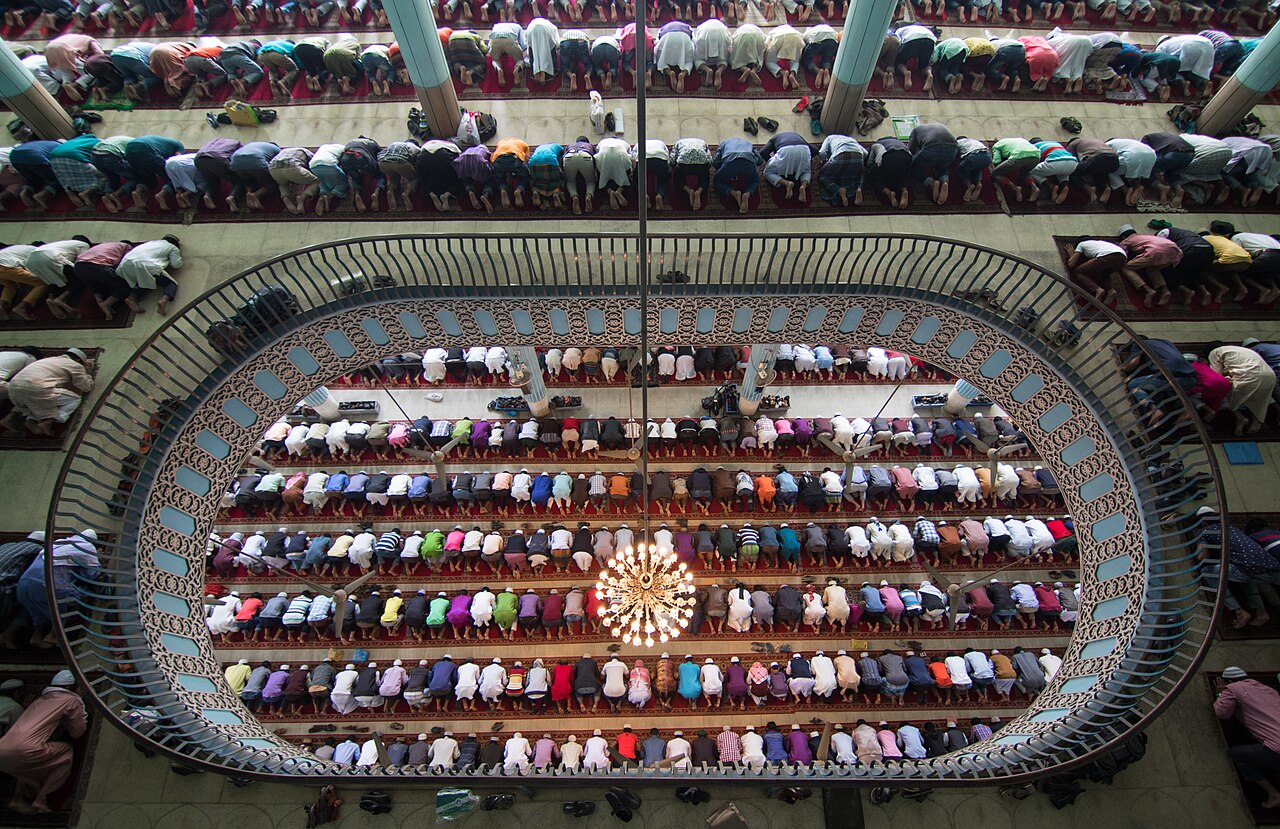
Prayer has been called the coolness of a believer's eyes and the key to Paradise (Jami at-Tirmidhi, 4). Scholars say the main way its blessing is lost is through waswasa, persistent doubt, which begins as early as wudu. Barta24's Islam desk sets out the remedies found in the hadith.
Those who often doubt whether their wudu has broken are told not to give it too much weight. A hadith in Sahih al-Bukhari (137) records the Prophet (peace be upon him) saying that a person who feels something has happened during prayer should not leave it unless he hears a sound or notices a smell.
When Uthman ibn Abi al-As (may Allah be pleased with him) told the Prophet he was unsure whether he had made one prostration or two, the Prophet described this as the work of a devil called Khinzab and told him to seek refuge in Allah and spit lightly three times to his left (Sahih Muslim).
If one doubts the number of rakats, for example three or four, one should build on the number one is sure of (three), complete the prayer and make two prostrations before the salam (Sahih Muslim). If the prayer turns out to have been five rakats, these prostrations make it even; if four, they are a humiliation for Satan.
Rushing through prayer and needlessly looking around are also forbidden; the Prophet called looking around a theft by which Satan snatches part of a person's prayer (Sahih al-Bukhari, 751). The Quran describes the successful believers as those who are humble in their prayer (Surah Al-Mu'minun, 1-2). At the other extreme, being too strict with oneself and repeating the same letter again and again also takes away the joy of worship.
The piece adds an important piece of advice: when doubts become excessive, a reliable doctor may be consulted, because many people suffer from a mental illness without knowing it.
Photo: Azim Khan Ronnie / Wikimedia Commons (CC BY-SA 4.0)
Source: Barta24


Comments
(0)