
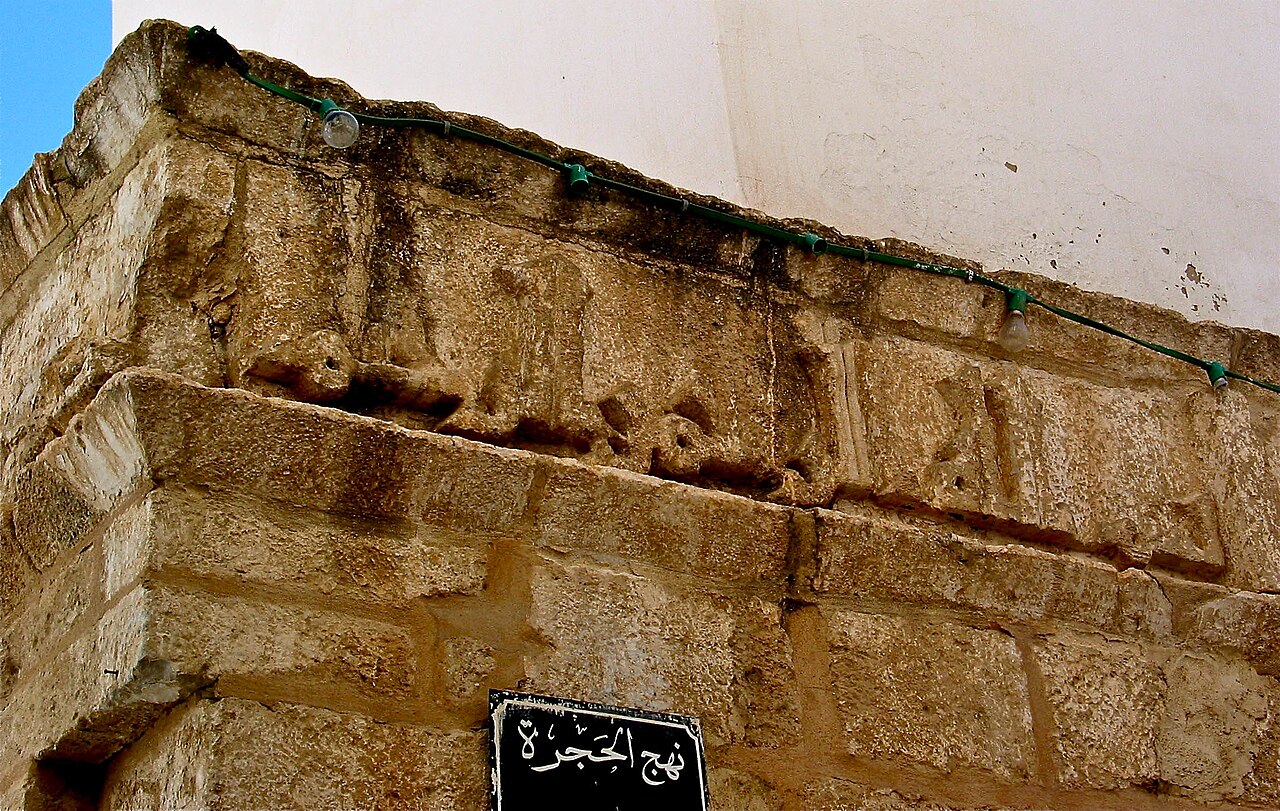
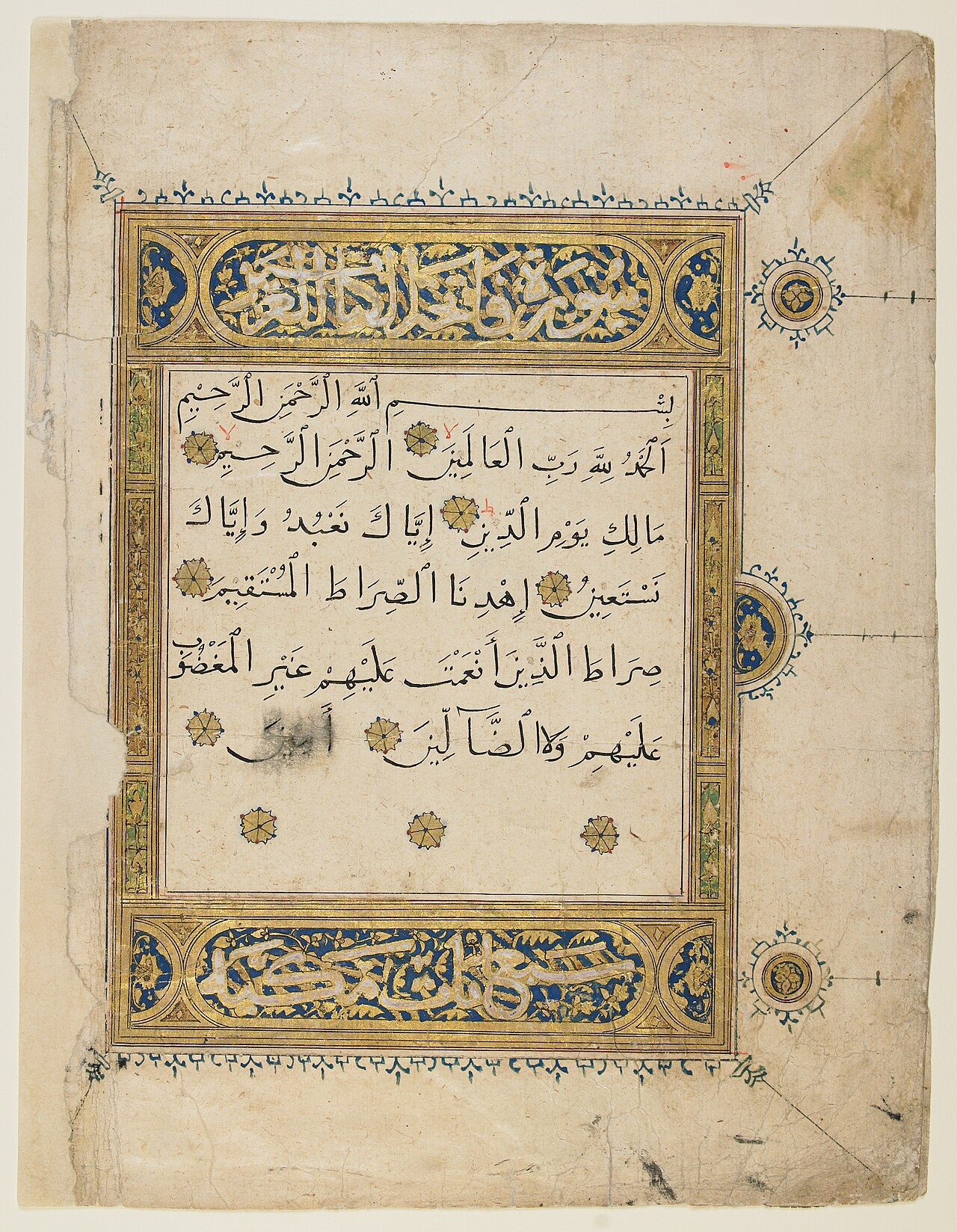
Bismillah means 'I begin in the name of Allah'. By saying it at the start of a task, a believer remembers Allah and asks for His help and blessing. Faizullah Riyadh, a teacher at Jamia Arabia Darus Sunnah in Rajabari, Dhaka, writes in Prothom Alo that its lesson should show in what people do, not stay on the tongue, and sets out seven lessons from the Quran and hadith.
The first is remembering Allah in every task. The first command of revelation was 'Read in the name of your Lord who created' (Surah Al-Alaq, verse 1), and before the flood Prophet Nuh (peace be upon him) told his people that the ark would sail and anchor in the name of Allah (Surah Hud, verse 41).
The second is staying on a lawful path. Taking Allah's name does not make a deed lawful by itself; the command to eat what is lawful and good (Surah Al-Baqarah, verse 168) applies to earnings too, so interest, bribes, embezzlement and fraud have to be avoided in business and employment. The third is keeping trusts (Surah An-Nisa, verse 58): the duties of a trader, a teacher or an employee are trusts, and shirking work or withholding what others are owed betrays them.
The fourth is reliance on Allah: 'Whoever relies on Allah, He is sufficient for him' (Surah At-Talaq, verse 3). In the writer's words, tawakkul does not mean giving up effort; it means doing everything lawful that one can and leaving the result to Allah. The fifth is hope in His mercy: the two names in the Bismillah, Ar-Rahman and Ar-Rahim, keep a believer from despair and remind him to show kindness to others.
The sixth is making remembrance of Allah part of family life. The Prophet (peace be upon him) told the young Umar ibn Abi Salamah to take Allah's name, eat with his right hand and eat from what was nearest to him (Sahih al-Bukhari, hadith 5376). Children, the writer notes, learn most from how the adults around them behave.
The seventh is caution in speaking about Allah's rulings. Nothing may be declared lawful or forbidden on personal wish or social custom (Surah An-Nahl, verse 116); for a religious ruling, he says, one should turn to the Quran, the Sunnah and the explanation of trustworthy scholars.
Bismillah is among the phrases Muslims say most often. Each time it is said, the writer concludes, it is worth remembering that work begun in Allah's name should not go against His commands. The views are the writer's own.
Photo: Orientalist / Wikimedia Commons (CC BY 3.0)
Source: Prothom Alo

Comments
(0)