
In Islam illness is seen not only as physical suffering but also as a test in life and a means by which sins are forgiven. That does not mean sitting idle: a believer is asked both to seek a doctor's help and to pray to Allah for recovery.
The Companions once asked the Prophet (peace be upon him) whether they should seek treatment when ill. He told them to do so, saying that Allah has not sent down any disease without also creating its cure (Sunan Abu Dawud, hadith 3855).
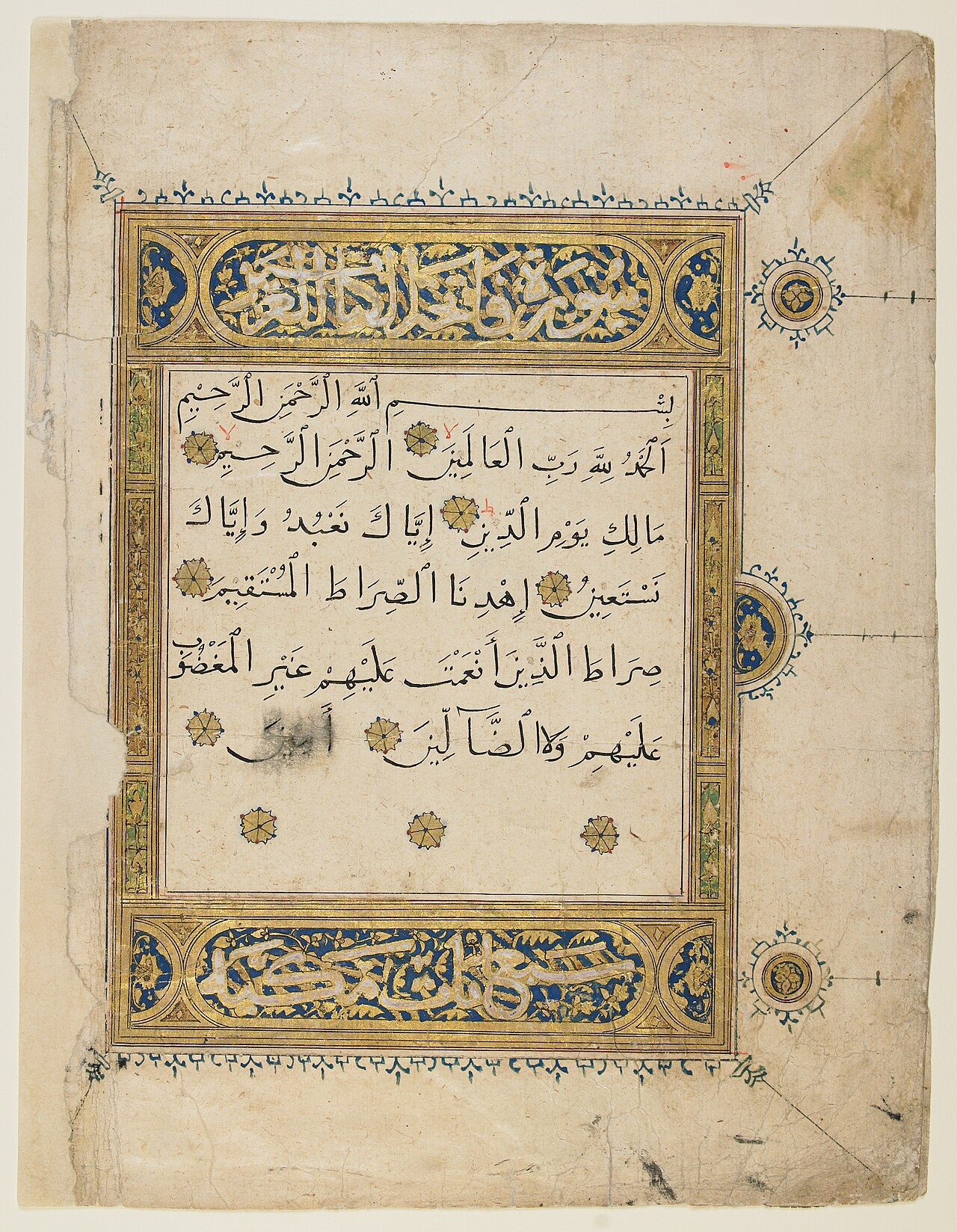
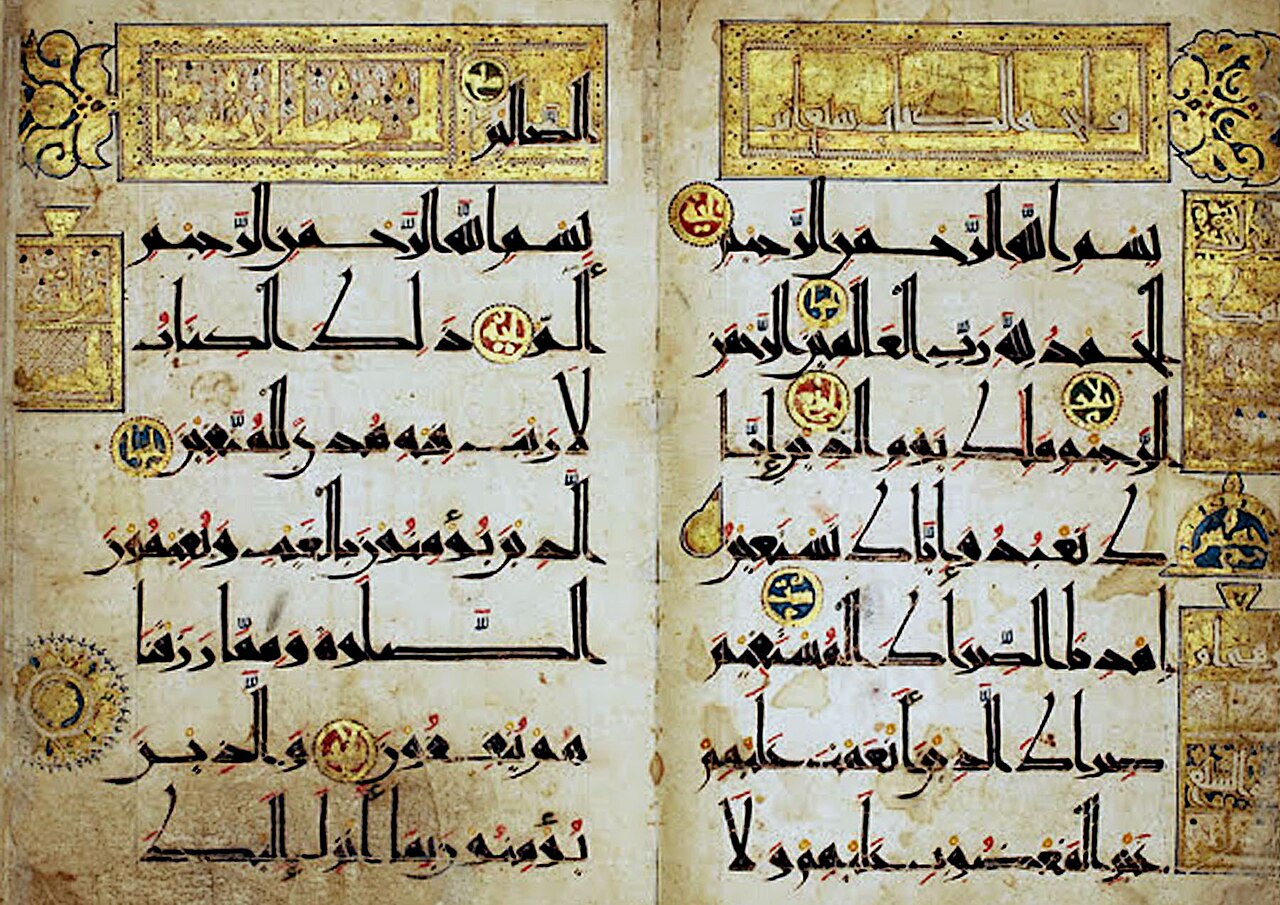
Surah Al-Fatiha is also called 'Ash-Shafiya', the healing chapter. The Companion Abu Said al-Khudri (may Allah be pleased with him) recited it and blew over a man who had been stung by a scorpion, and when the Prophet heard of it he approved (Sahih al-Bukhari, hadith 5749). As a practice, the sick person or someone close to them may recite Al-Fatiha seven times with faith and blow over the place of pain.
When the Companion Uthman ibn Abi al-As complained of severe pain, the Prophet told him to place his right hand on the painful spot, say 'Bismillah' three times and then repeat seven times: 'A'udhu billahi wa qudratihi min sharri ma ajidu wa uhadhir', meaning 'I seek refuge in Allah and His power from the evil of what I feel and what I fear' (Sahih Muslim, hadith 2202).
When visiting the sick, the Prophet would offer words of hope: 'La ba'sa tahurun in sha Allah', meaning 'No harm; it is a purification, if Allah wills' (Sahih al-Bukhari, hadith 3616).
Among the etiquettes of supplication are praising Allah and sending blessings on the Prophet at the start and the end, asking for recovery in one's own words, and taking the medicine the doctor has prescribed. Imam Ibn al-Qayyim wrote in Zad al-Ma'ad that medicine restores the body's balance while prayer awakens the strength of the soul, and that recovery comes by Allah's command when the two are joined.
Based on a report by Prothom Alo's religion desk.
Photo: Unknown calligrapher / Wikimedia Commons (public domain)
Source: Prothom Alo

Comments
(0)