
Pakistan will go to the COP31 climate conference asking for climate justice and grant-based finance rather than further loans, Shezra Mansab Kharal, the country's Minister of State for Climate Change and Environmental Coordination, said in an interview with Dialogue Earth in Islamabad. "We are going to say a firm 'no' to more loans and more debt collection," she said, while adding that highly concessional loans could perhaps be considered.
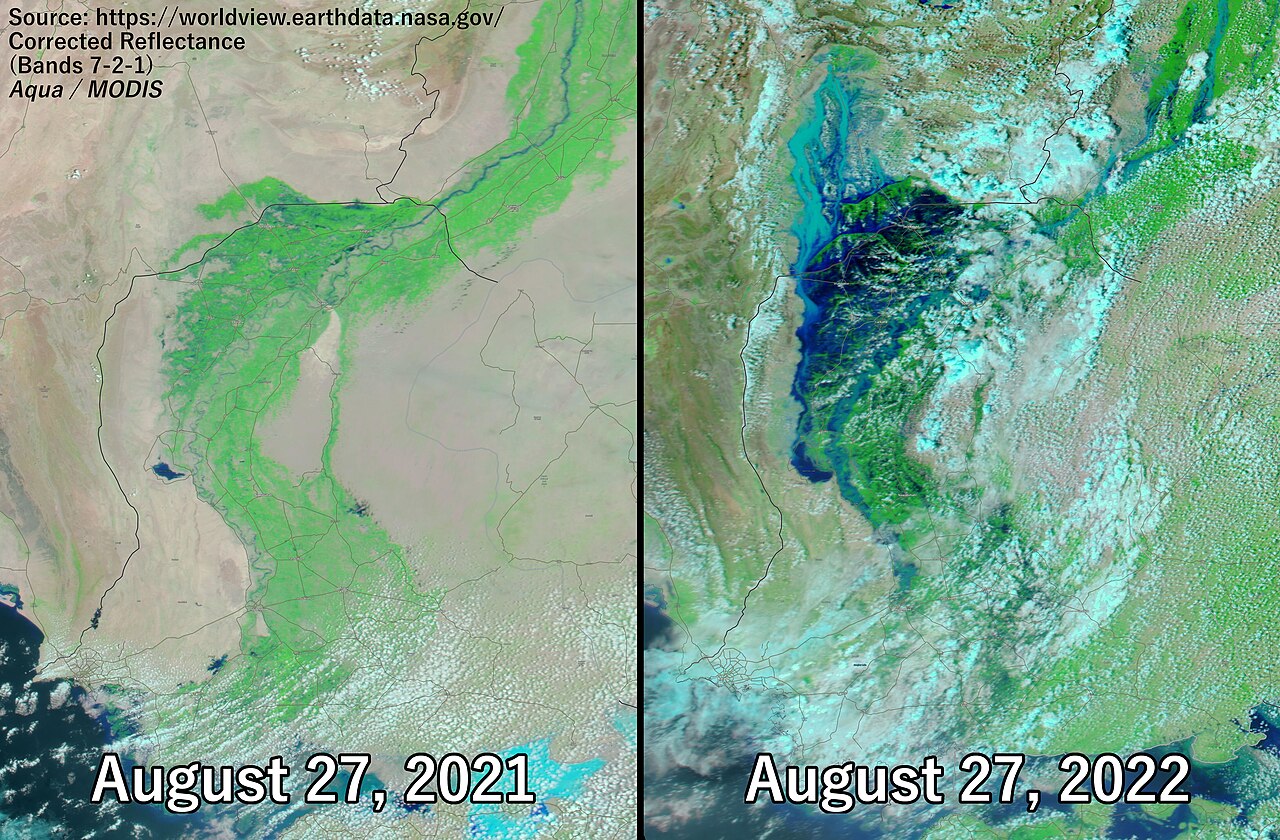
Pakistan lobbied for the Loss and Damage Fund at COP27 in 2022, after floods that year killed more than 1,700 people and affected at least 33 million. Four years on, it has received nothing from the fund. Kharal said Pakistan has submitted two project proposals totalling USD 39.9 million against a cap of USD 20 million per project, and hopes at least one will be approved by December. She called the sums pledged so far "paltry and insignificant".
The delays, she argued, come from a global finance system that has become difficult, prolonged and complex: accreditation, technical documentation, project preparation costs and long approvals. She rejected the idea that pledges were withheld because of poor transparency, while saying transparency in governance matters.
Kharal drew a line between finance for commercially viable mitigation, such as renewable energy, which can attract concessional loans and private capital, and adaptation such as flood protection, glacier monitoring and early warning, which earns no returns and needs grants. Pakistan will also press for a pause on debt payments when a country is hit by a climate disaster, and for instruments such as debt swaps. Under its NDC 3.0 it projects cutting greenhouse gas emissions by 50% by 2035, 17% through its own effort and 33% conditional on international support.
Agriculture, one of the backbones of the economy, is a priority, she said. The plans include climate-resilient crop varieties, more efficient irrigation such as drip systems, better water management, heat- and drought-adaptive farming and climate advisory services, as the country faces both floods and water stress that affect food security. On smog in Punjab, the government is working on agricultural residue management alongside cleaner transport and emission standards; the World Bank is backing the Punjab Clean Air Program with USD 300 million.
Kharal said Pakistan, which contributes less than 1% of global emissions, will also argue for technology transfer and capacity building and wants regional partnerships, since disasters in the Himalaya-Karakoram range do not stop at borders. The interview was conducted by Farahnaz Zahidi Moazzam, Dialogue Earth's Pakistan editor.
Photo: NASA / Wikimedia Commons (public domain), satellite view of Sindh before and during the 2022 floods
Source: Dialogue Earth

Comments
(0)