
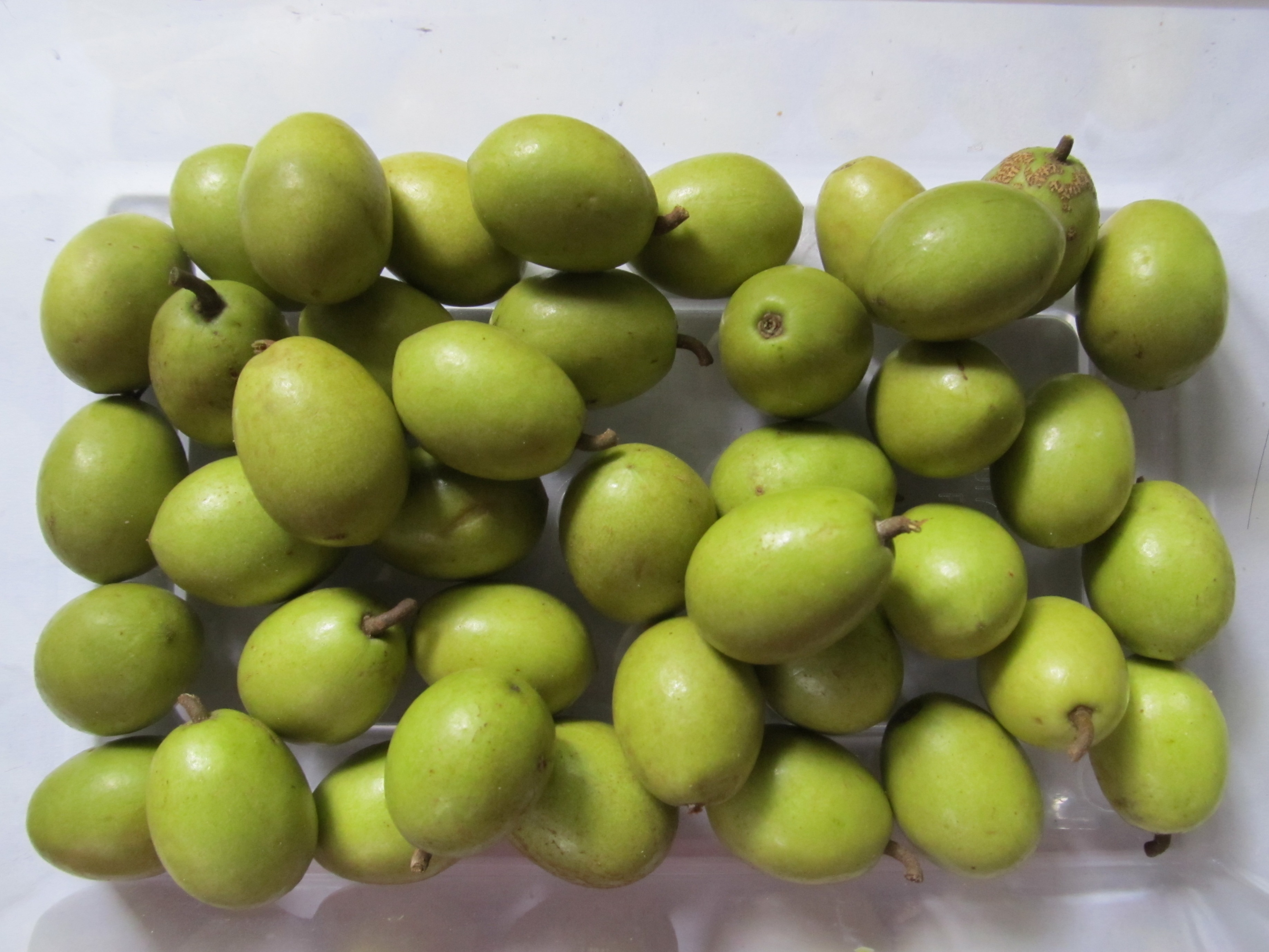
In mid-October 2024, the new season's jalpai olives had begun to reach markets in Bangladesh. On 19 October the online news outlet Jagonews24 published a simple recipe for a sweet, sour and spicy pickle made from whole olives, cooked in vinegar and mustard oil with sugar and panch phoron. The recipe said the pickle could be made quickly at home and would keep for a long time.
What the local olive is
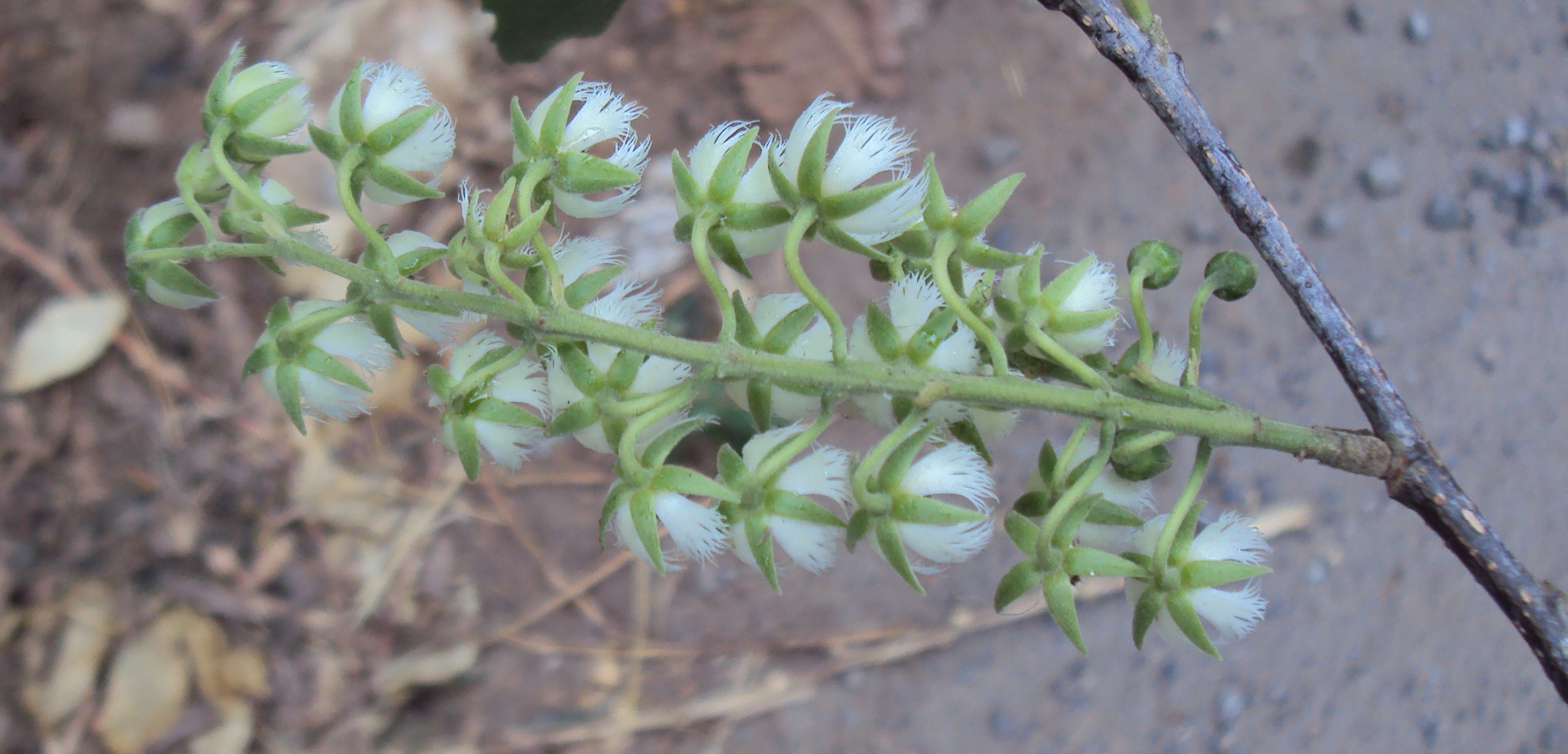
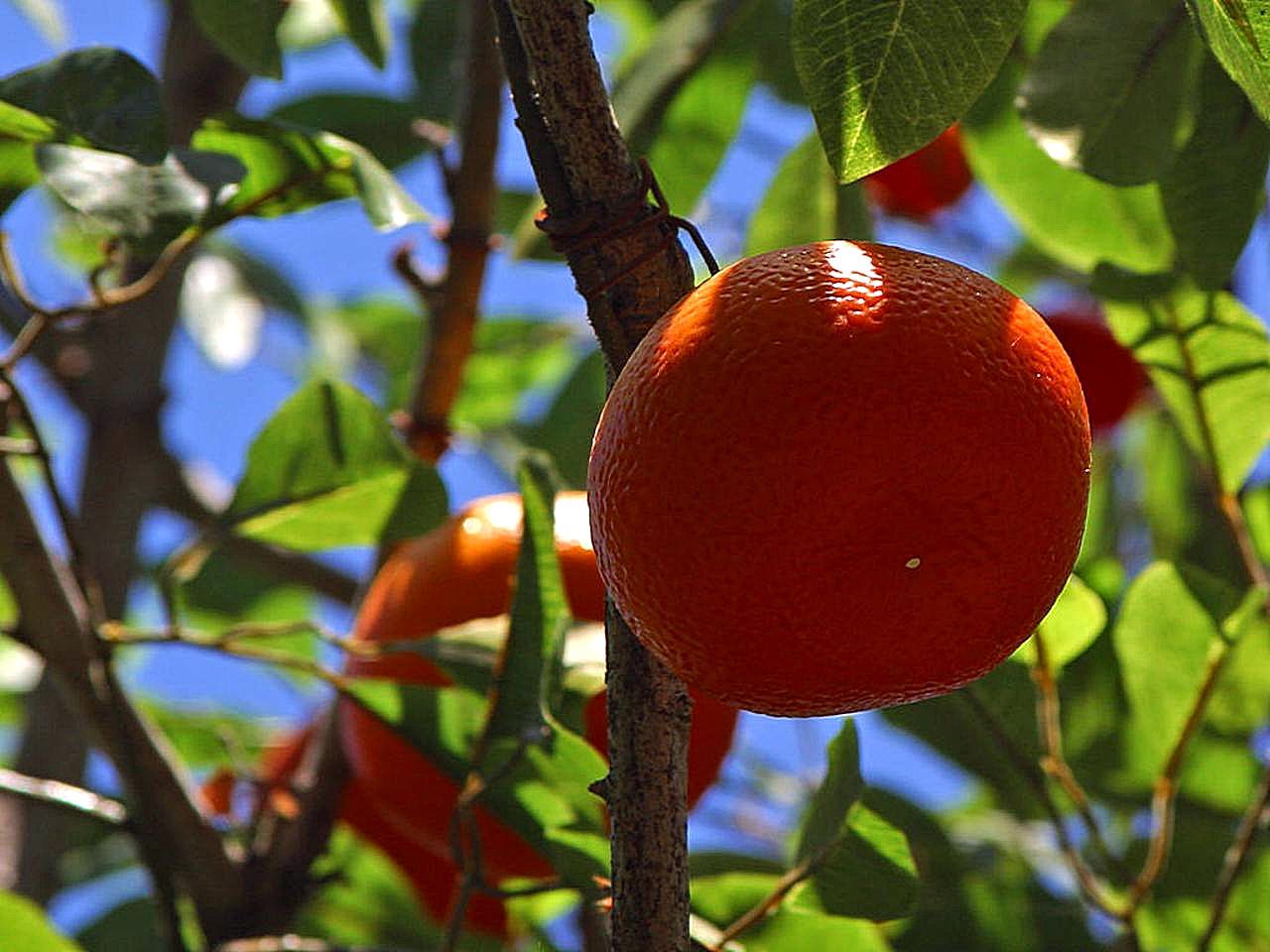
The sour green olive sold in Bangladeshi markets is not the Mediterranean olive. It is Elaeocarpus serratus, a member of the Elaeocarpaceae family known in English as the Ceylon olive and in Bengali as jalpai. Flora of Bangladesh describes it as a well-known fruit tree of the country. The fruit is an oval drupe about 2.5 cm long, sour to taste, with a single hard-shelled seed inside.
According to Wikipedia, the tree grows in Sri Lanka, southern India and the north-east of the subcontinent, including Assam, Bangladesh and Nepal. Flora of Bangladesh notes that the fruit matures in August and September in Bangladesh, that a seedling starts bearing after about five years, and that the fruit is rich in vitamin C. A Down To Earth report called the Indian olive one of the most under-utilised fruit crops of the region, grown mostly in homesteads and turned into chutneys, pickles, jams and candies.
Ingredients
The Jagonews24 recipe gave these quantities for one and a half kilograms of olives:
- Olives: 1.5 kg
- Vinegar: 1 small bottle
- Mustard oil: half a litre
- Panch phoron powder: 1 tablespoon
- Sugar: 1 cup
- Chilli powder: 1 teaspoon
- Turmeric powder: half a teaspoon
- Salt: to taste
- Whole dried red chillies: as needed
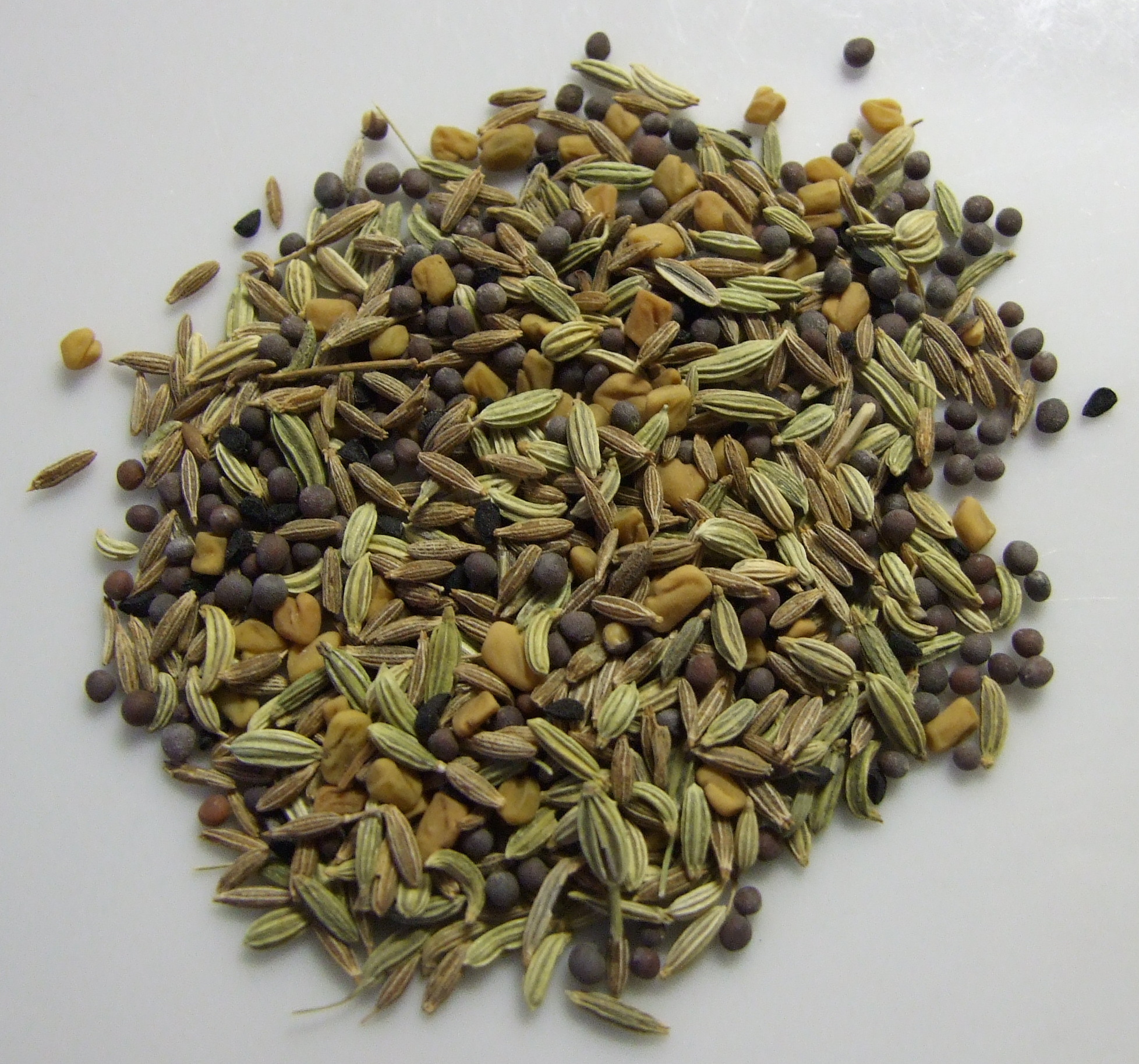
Panch phoron is a blend of five seeds: fenugreek, cumin, nigella, black mustard and fennel, with wild celery seed sometimes taking the place of mustard. In the kitchens of Bangladesh and eastern India it is usually used whole, but this recipe called for it ground.
How the pickle is made
- Heat the mustard oil and vinegar together in a pan.
- Add the sugar, salt, turmeric, chilli powder and olives and stir for 3 to 4 minutes. The olives cook and swell noticeably.
- Add the panch phoron powder and the whole dried chillies and cook for another 5 to 6 minutes. Take the pan off the heat as soon as the olives are cooked and have changed colour.
- Leave the olives covered in the pan for 3 to 4 hours so that they swell further and soften.
The recipe said whole olive pickle made this way keeps well for a long time. The same fruit is pickled across the region. In West Bengal it goes into a sour chutney known as jalpai ambal and into achar, and Wikipedia records that the Karbi people of Assam harvest ripe and unripe fruit from August to October and make the ripe fruit into a pickle.
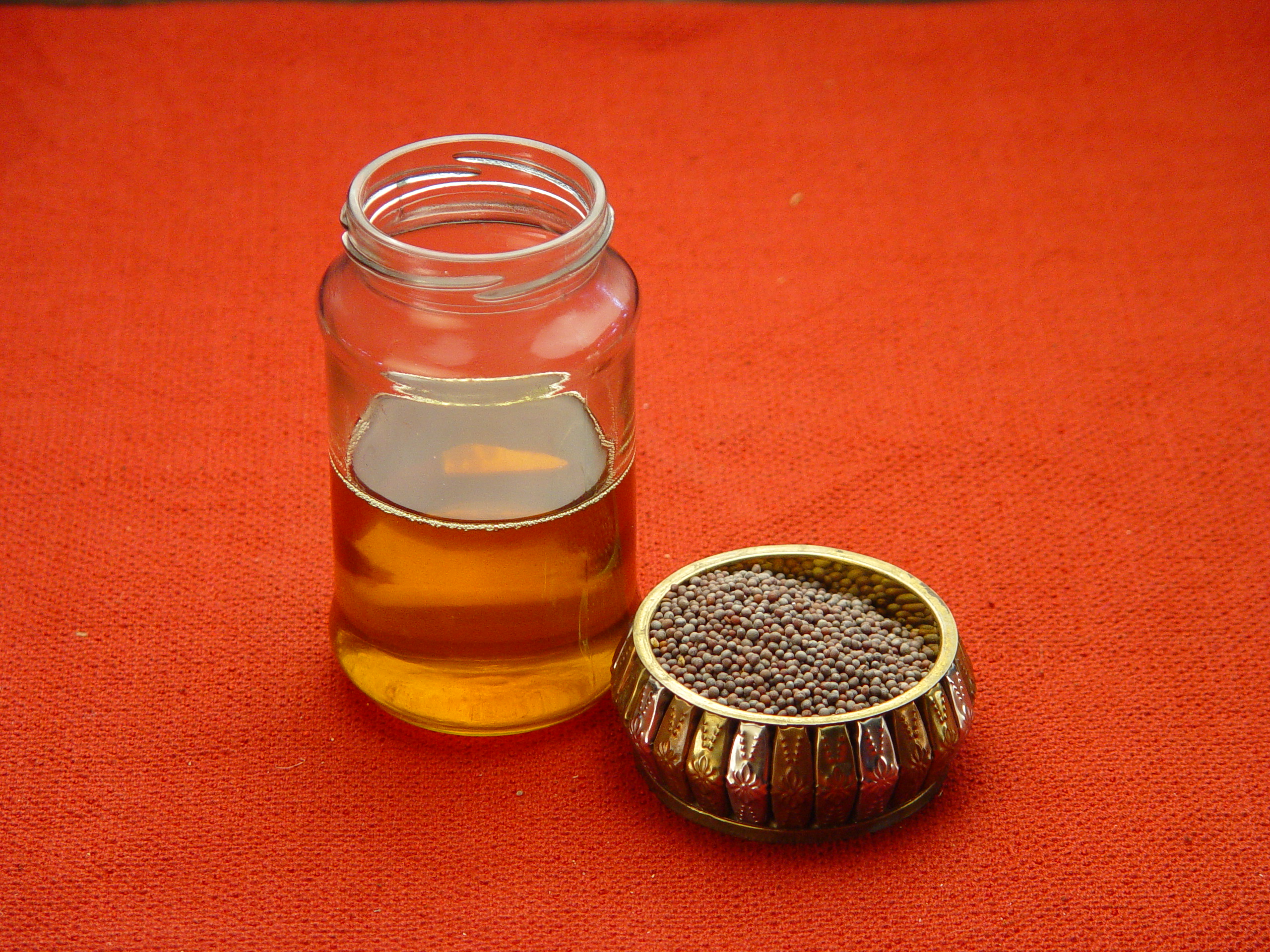
Photo: Gregorvitch / Wikimedia Commons (CC BY-SA 3.0)
Sources: Jagonews24, Flora of Bangladesh, Down To Earth, Wikipedia
Comments
(0)