
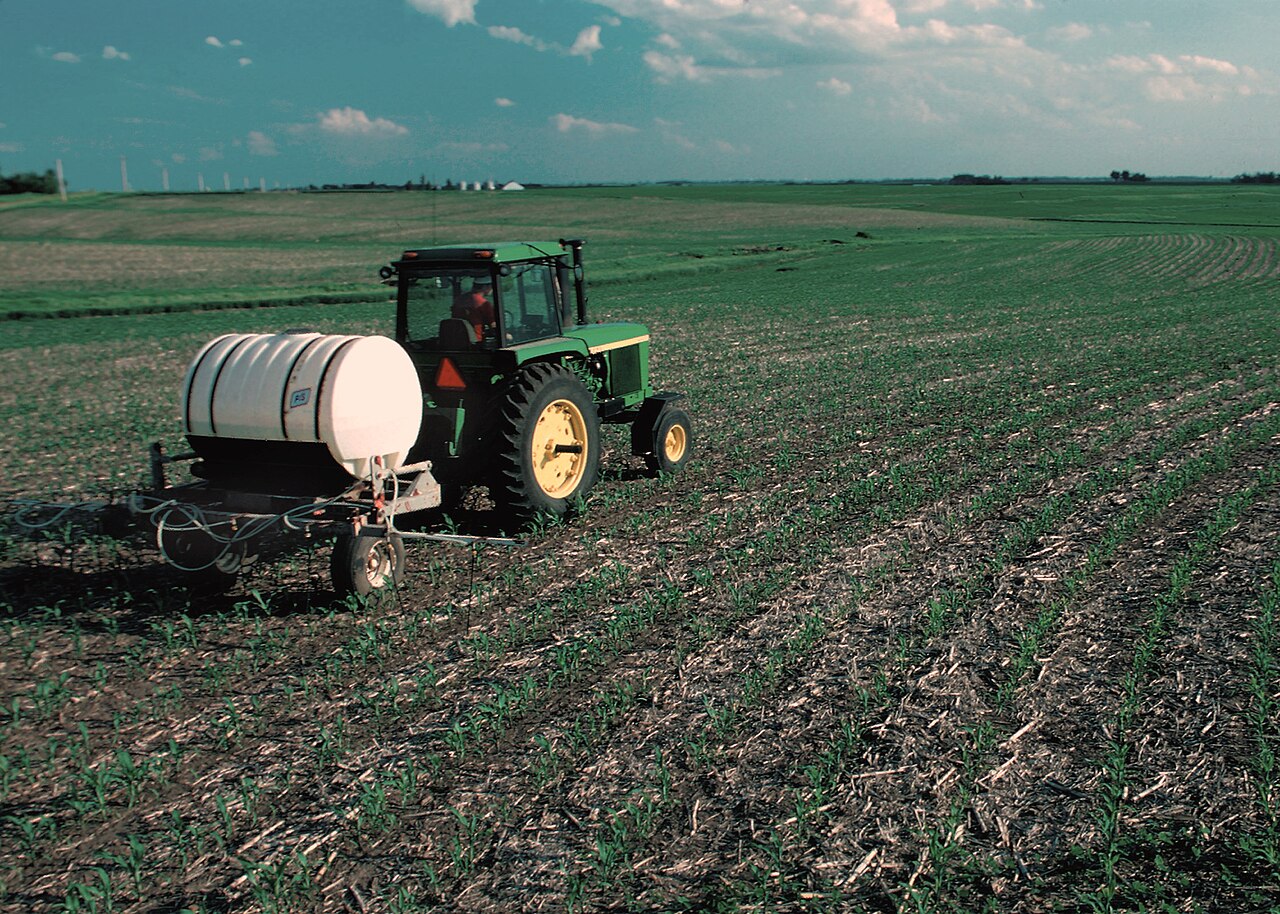
Corn growers facing high phosphorus fertiliser prices get the best return by targeting phosphorus to the fields most likely to respond and cutting it where soil levels are already sufficient, according to research from the University of Nebraska-Lincoln.
Prices for diammonium phosphate (DAP), monoammonium phosphate (MAP) and liquid 10-34-0 starter remain well above year-ago levels. Phosphorus is the second most important nutrient for corn after nitrogen, but its value depends on how much the soil already holds, and Nebraska Extension recommends soil testing every three to five years to find out.
A 16-year study near Concord, Nebraska, compared several strategies. Stopping phosphorus altogether lowered soil fertility and, over time, yields. Keeping soil-test phosphorus very high took substantially more fertiliser but did not consistently raise yields over moderate programmes: the crop simply absorbed the extra, which researchers call luxury phosphorus consumption.
The best return on fertiliser came from applying phosphorus according to what the harvested crop removes. Nebraska's recommendations therefore base rates on expected removal for fields testing below critical levels; where levels are adequate, rates can be reduced and monitored, and where they are high, applications may be postponed while prices are elevated.
Placement also matters. Starter and banded applications work best on low-testing soils or where early nutrient availability is limited, and variable-rate technology can direct phosphorus to the parts of a field that need it. Fields with a history of manure may already hold large phosphorus reserves.
The lesson, the researchers conclude, cuts both ways: letting soil phosphorus fall too far raises yield risk, while keeping it excessively high raises costs without a meaningful yield gain.
Photo: Lynn Betts / Wikimedia Commons (Public domain)
Source: Farms.com


Comments
(0)