
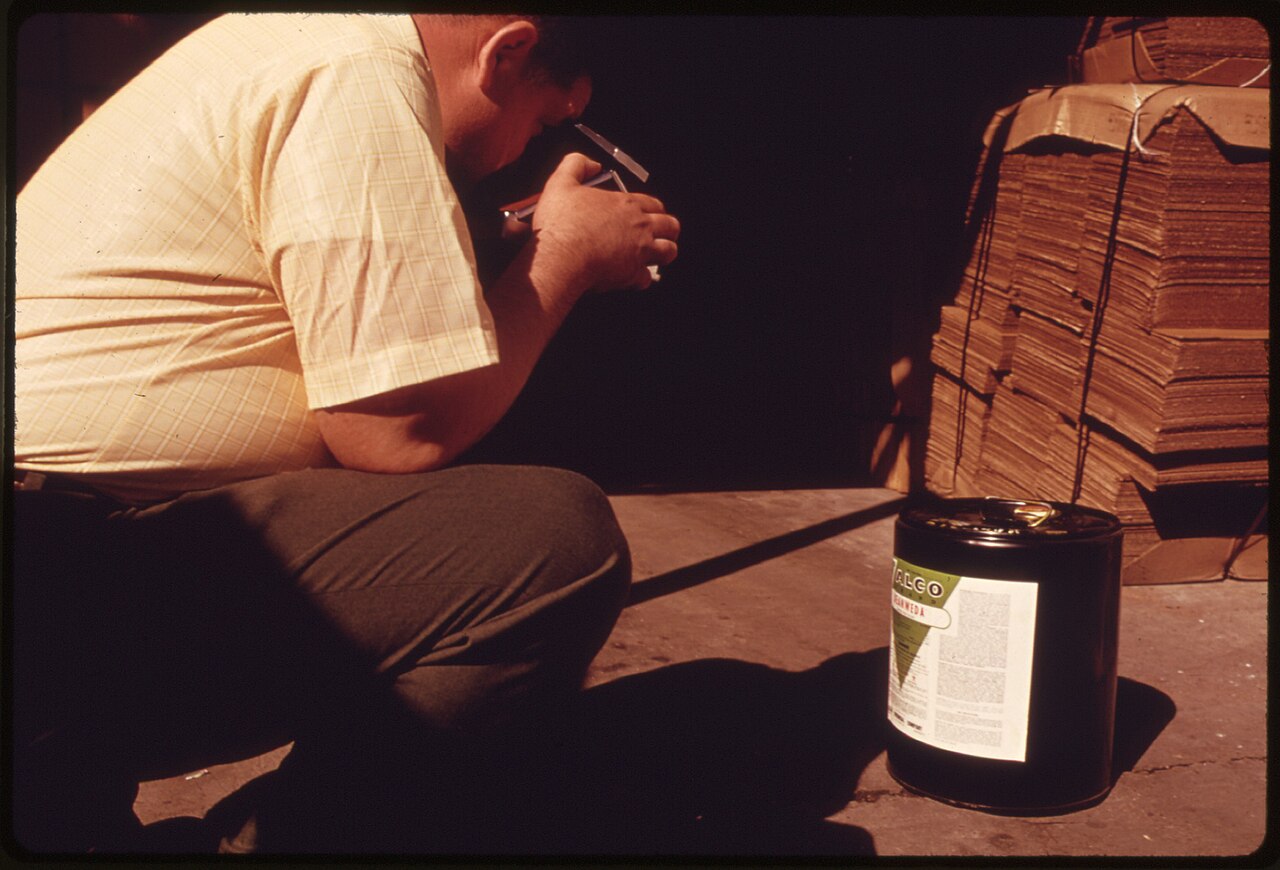
Collection schemes for empty pesticide and biopesticide containers now operate in 24 European Union member states, with two more under development, and the collection rate for rigid plastic containers has risen to 71%, CropLife Europe reports, as published by Global Agriculture.
When the industry body launched its 2030 Commitments in 2020, dedicated schemes ran in 19 member states and collected 65% of rigid plastic containers, the main packaging the industry uses. The target is to collect 75% of eligible containers.
Recycling has kept pace. In 2025 more than 92% of the plastic collected through the schemes was sent for safe and controlled recycling. The tonnage sent for recycling rose from about 16,200 tonnes in 2020 to more than 21,750 tonnes in 2025, an increase of 34% in five years.
CropLife Europe credits continued investment in collection infrastructure and awareness programmes, which have given more farmers a practical way to return empty containers, turning what were national initiatives into an increasingly connected European network.
The next priority, it says, is better material recycling and preparing the network for the high-quality recycling requirements of the EU's Packaging and Packaging Waste Regulation (PPWR), including closed-loop recycling, so that recovered plastic goes back into new containers rather than into products such as pipes and electrical conduits.
Photo: John Messina / Wikimedia Commons (Public domain)
Source: Global Agriculture



Comments
(0)